|
|
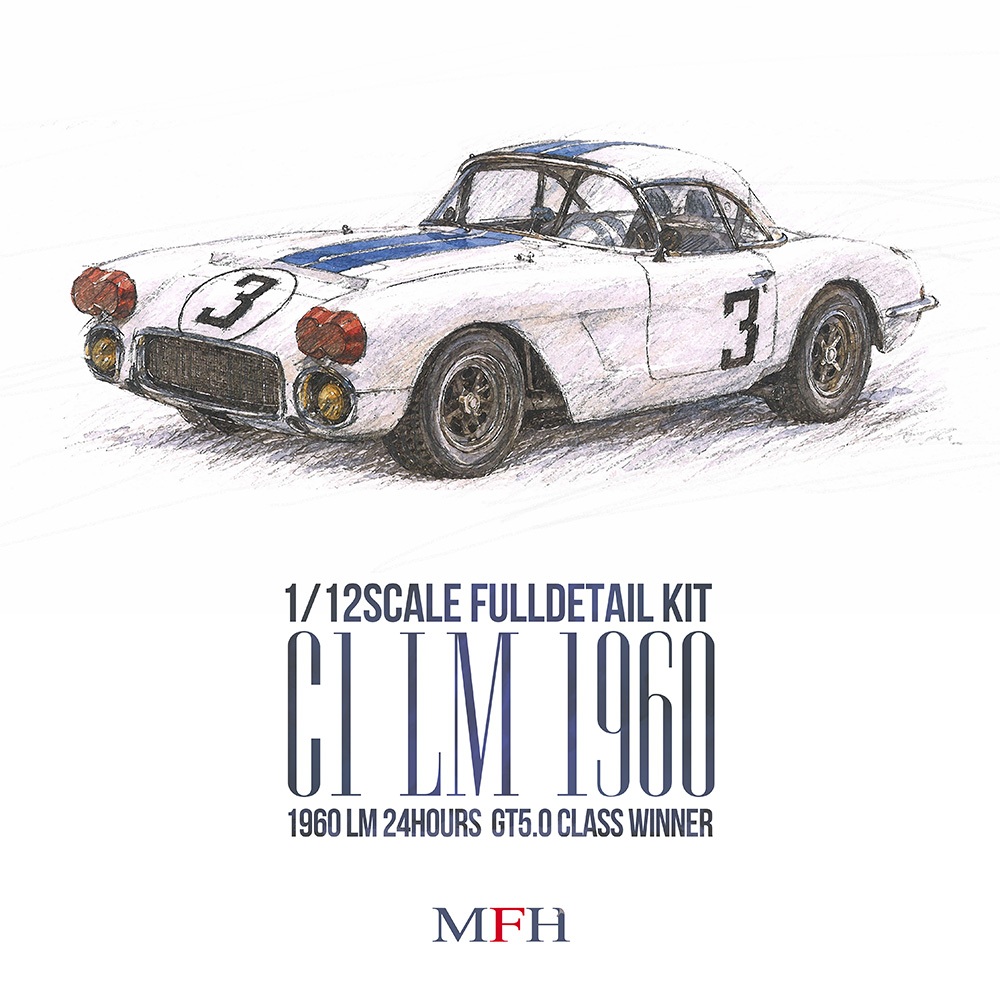
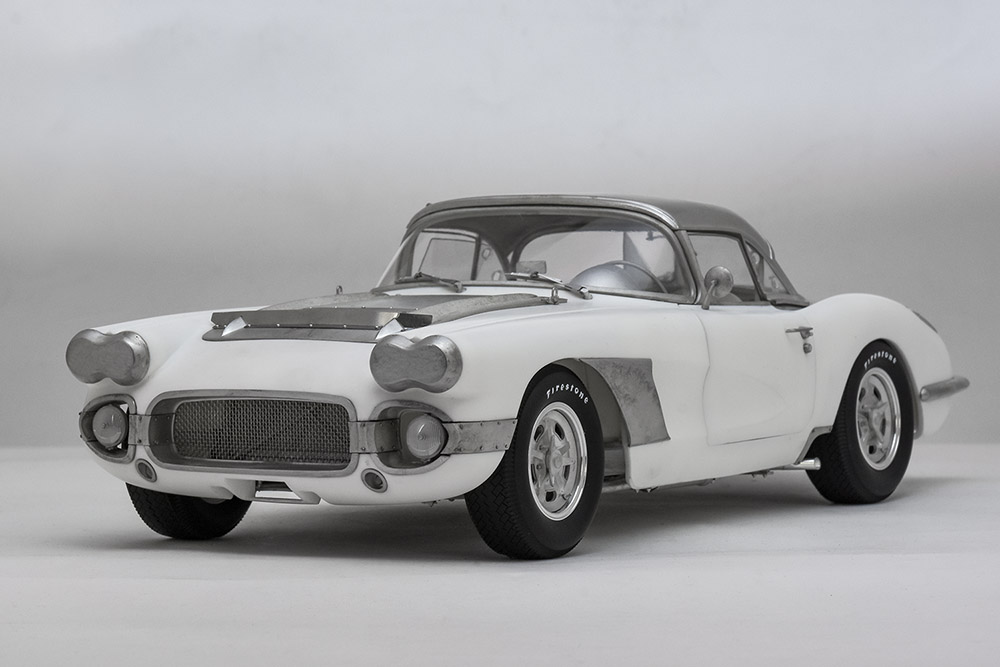
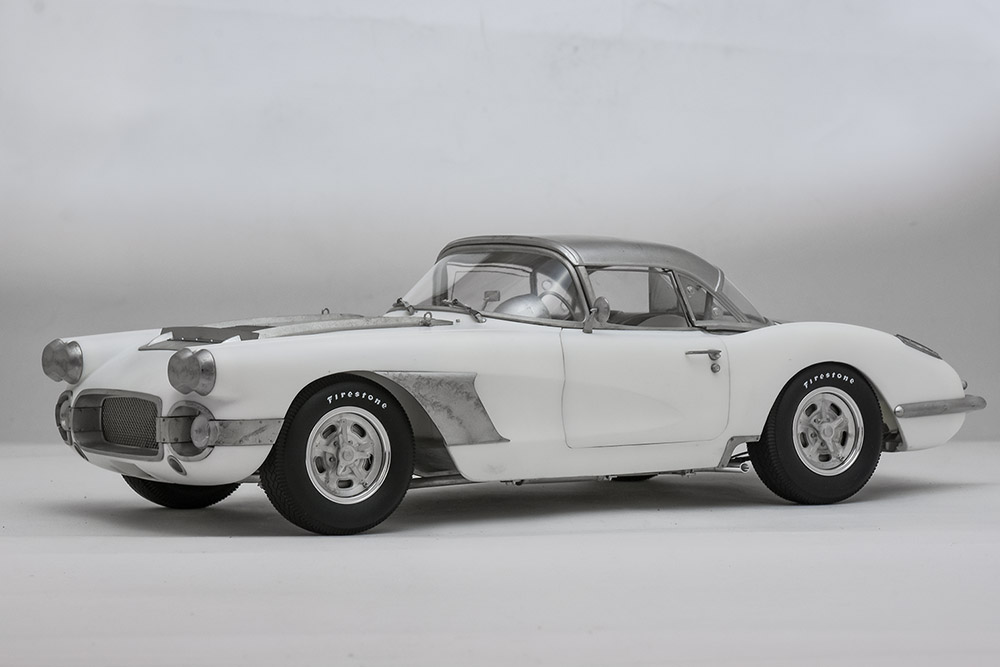
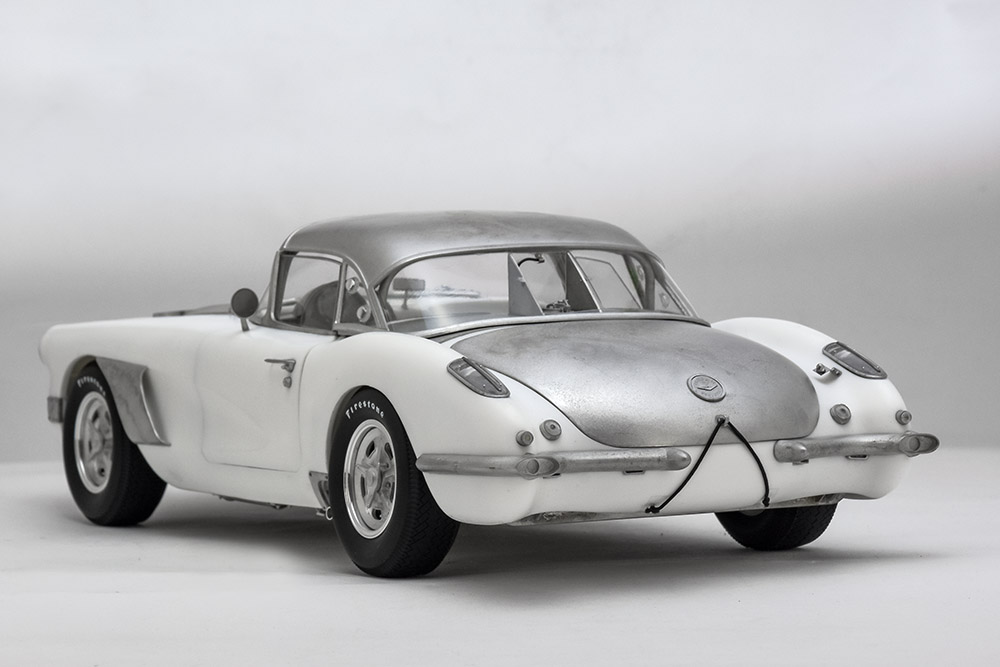
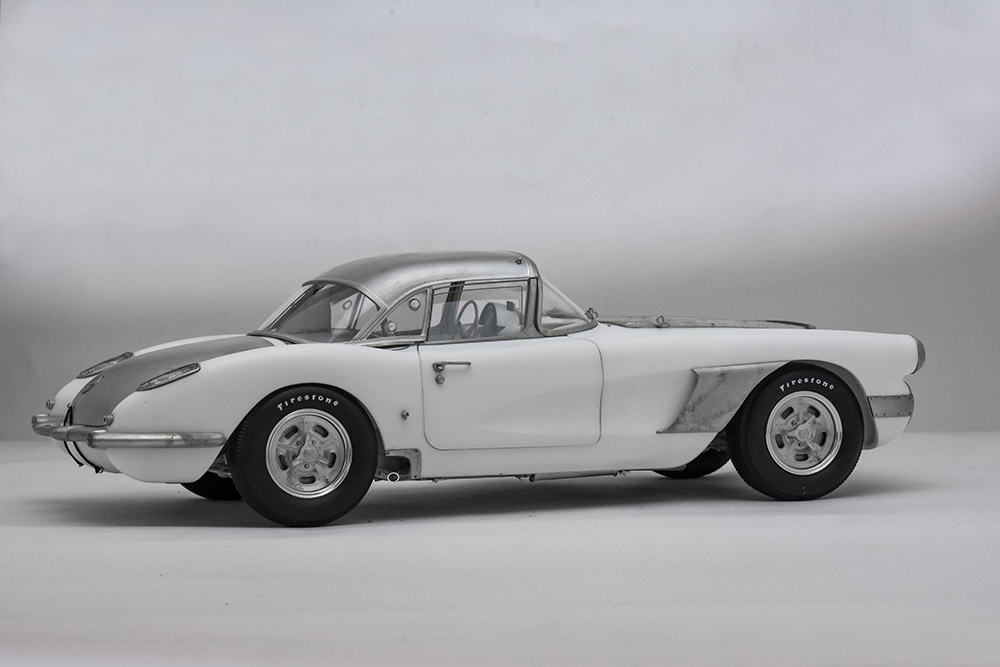
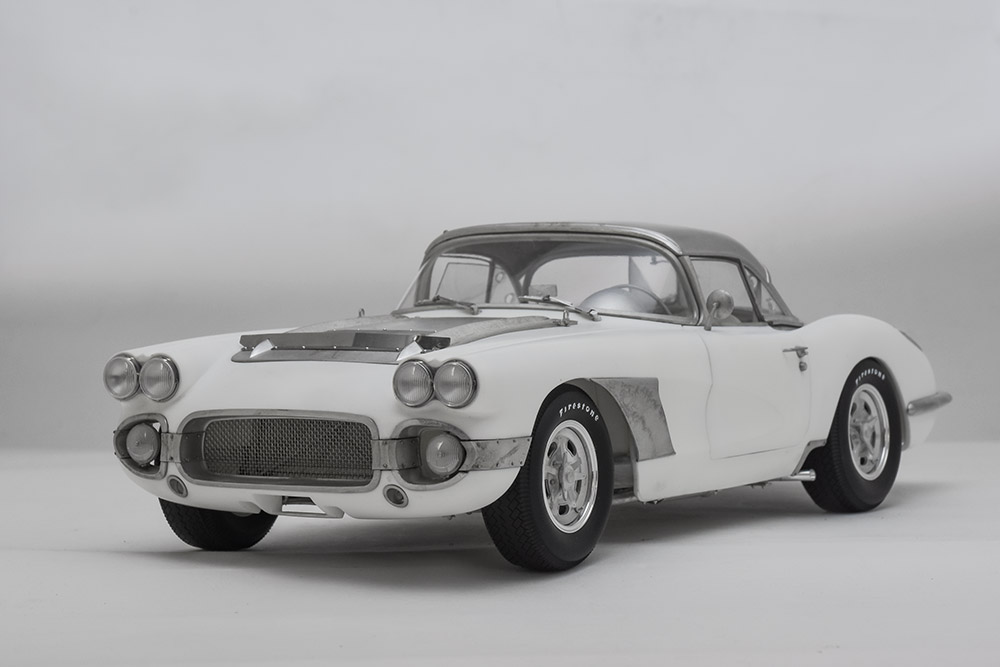
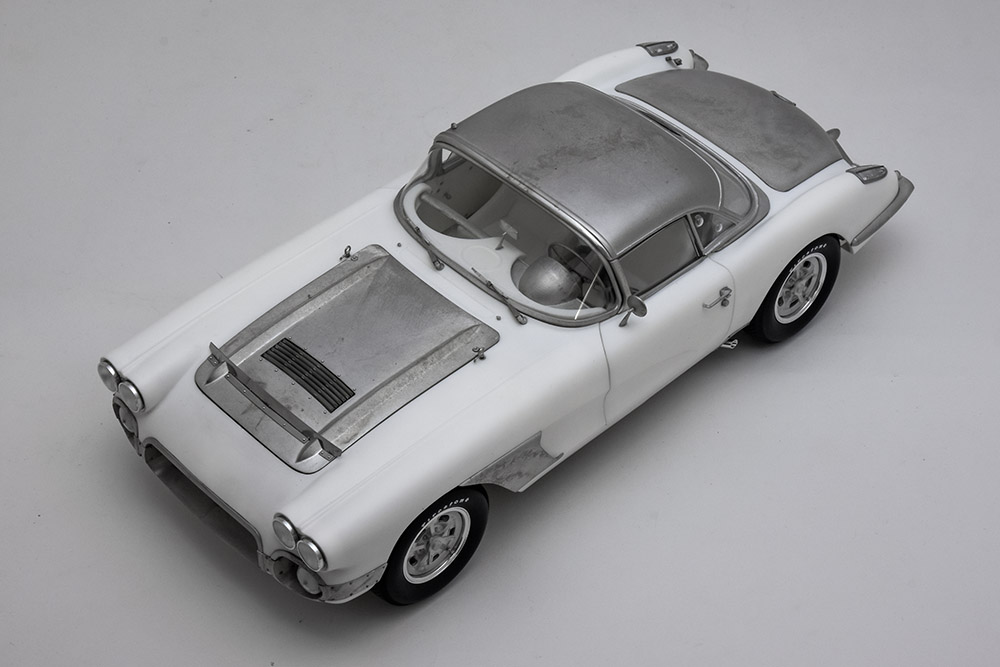
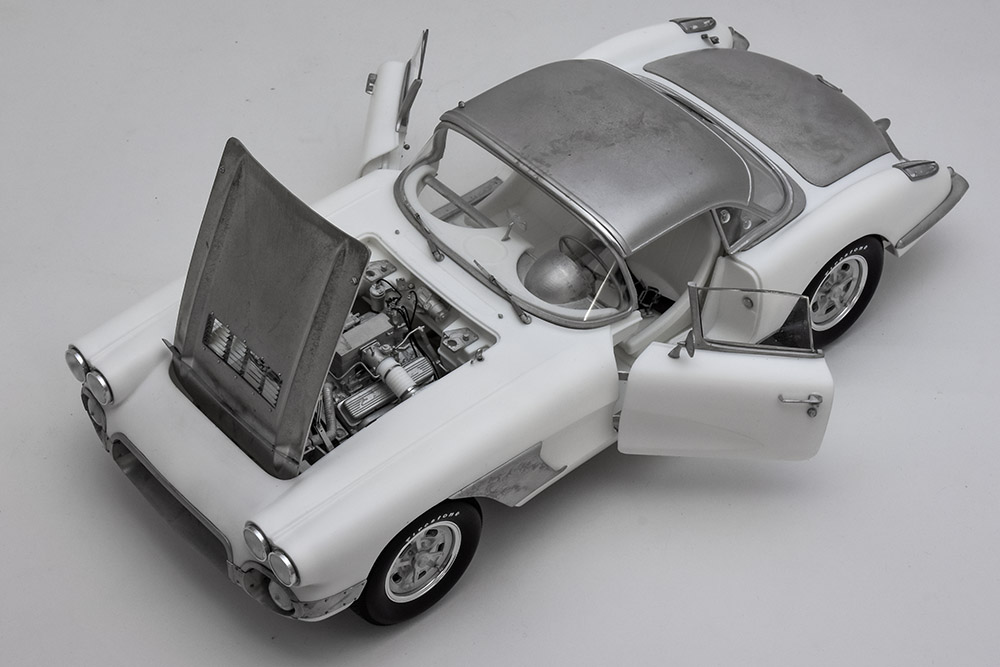
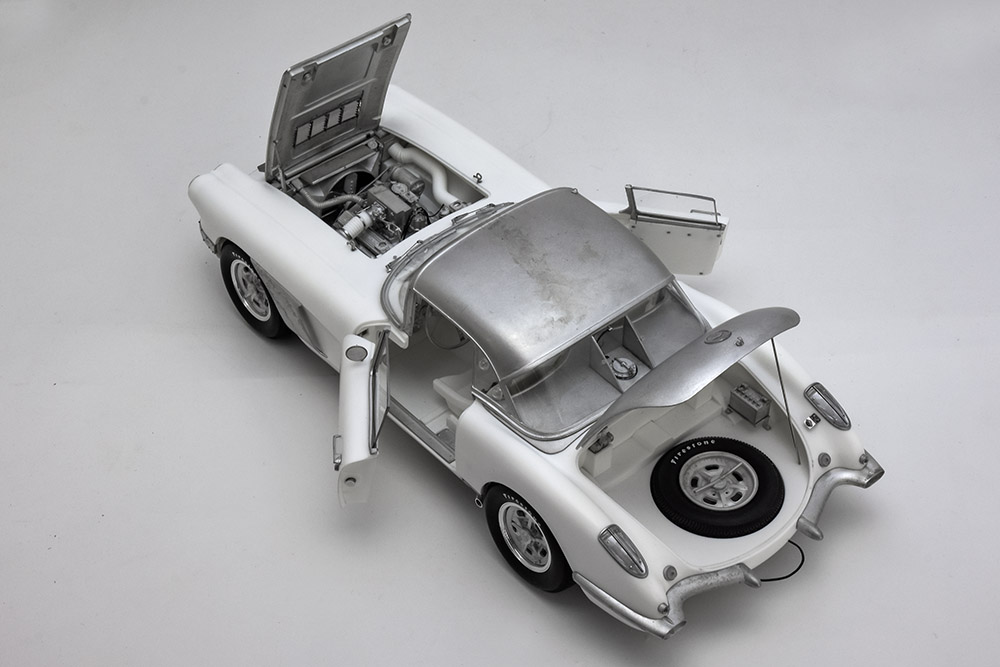
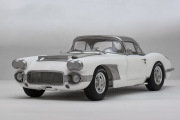
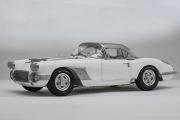
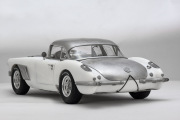
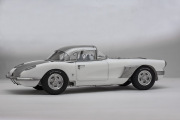
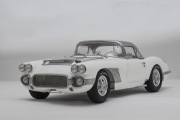
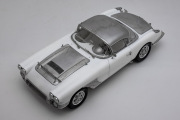
[ K869 - 1/12 Fulldetail Kit : C1 LM 1960 ]
のご予約受付け開始しました。
ご予約はこちらへ。
Now accepting reservations of [ K869 - 1/12 Fulldetail Kit : C1 LM 1960 ].
For pre-preorders, please contact us here
 2026年10月発売予定 October 2026
Price : \105,000- (+tax)
[ C1 LM 1960について -About the C1 LM 1960- ]

1960年ル・マン24時間レースで闘った"C1 LM 1960"。白いボディに青いストライプを纏ったアメリカンV8搭載のこのマシンは、単なる「クラス優勝車」というリザルトの枠を超え、エースドライバーであった米国生まれのジョン・フィッチの人生、そしてアメリカ自動車レースの運命をも変えた、歴史的転換点の象徴なのです。
このマシンとジョン・フィッチの物語は、1960年の5年前、1955年ル・マン24時間レース、その絶望の夜から始まります。メルセデスチームのドライバーとして、モータースポーツ史上最悪の観客事故を目撃したフィッチは、「二度とこのような惨劇を繰り返さない」と誓い、公道とレースの安全性向上に人生を捧げる決意を固めます。
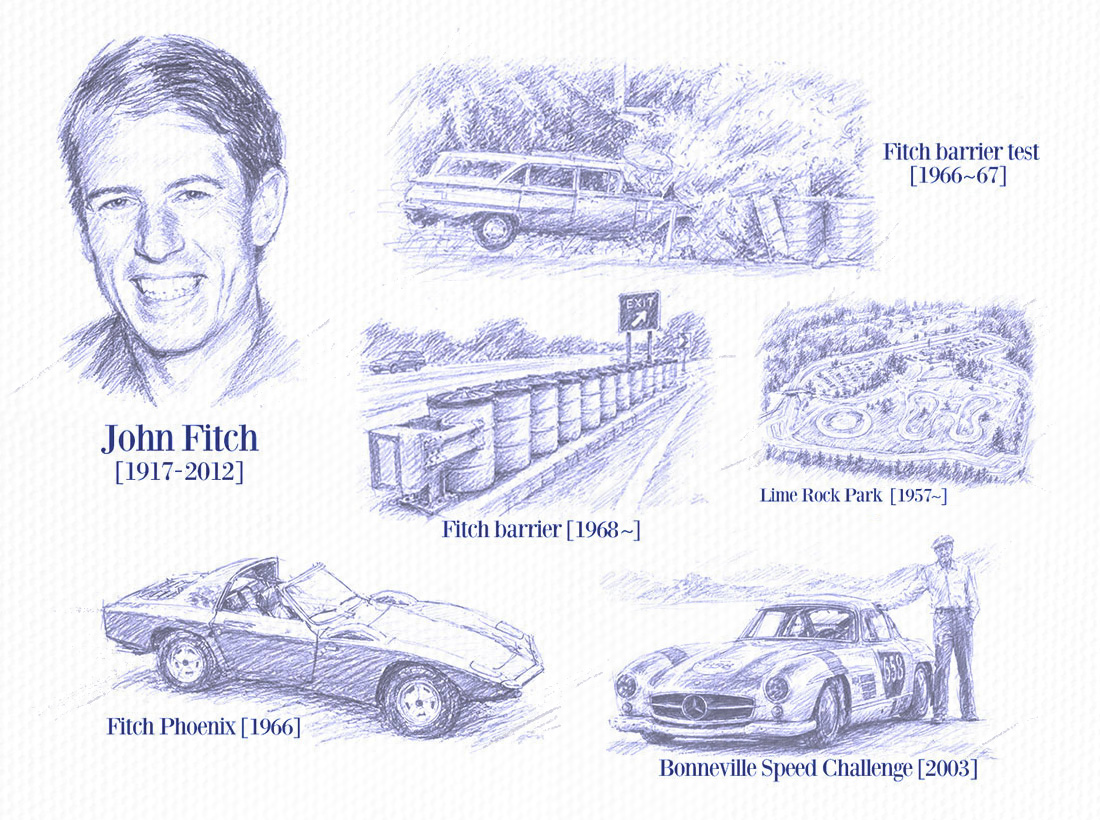
第二次世界大戦中に戦闘機パイロットとして前線で見た「砂を詰めた燃料缶が銃弾を止めた記憶」から着想を得たフィッチは、衝撃吸収装置の開発に挑みます。自宅の庭で樽に様々な量の砂を詰め、中古車に自ら乗り込んで何度もわざと激突する「命がけの自爆テスト」を繰り返しました。こうして生まれたのが、高密度ポリエチレン製の樽型衝撃吸収材"フィッチ・バリア"でした。1960年代にアメリカの高速道路に初めて導入されると、これまでなら確実に死亡していた激突事故からドライバーを無傷で救い出しました。このシンプルな「黄色い樽」は、日本をはじめ世界中のハイウェイへと普及し、これまでに数万人以上の命を救ったと試算されています。
そしてフィッチは、レーサーとしての魂も捨ててはいませんでした。「モータースポーツを社会から拒絶されないものにするには、アメリカの技術で世界に安全と実力を証明しなければならない。」その熱い願いは、当時"玩具の車(Plastic fantastic)"と揶揄されていたコルベットを本物のスポーツカーへ育てようとしていた技術者、"コルルベットの父"ゾーラ・ダントフの思想と共鳴します。
しかし1957年、AMA(米国自動車工業会)が加盟自動車会社に対し、「レース活動全面禁止令」を発令します。これは、1955年ル・マンの悲劇と、増え続ける自動車事故を一因として出された指令でした。ワークス活動を禁止され、夢を絶たれたフィッチとゾーラが仕掛けたのが、「プライベーター作戦」でした。ゾーラは社内書類を細工し、「一般市販オプションパーツ」という名目で、レース仕様のV8エンジンや強化ブレーキを開発。そうして生まれたレース仕様のC1を、富豪であったブリッグス・カニンガムが「市販車」として購入、フィッチをエースドライバーに据えて"プライベーター"のカニンガム・チームを結成、1960年のル・マンへと持ち込んだのです。
フィッチにとって悲劇のレースから5年ぶりに迎えた1960年ル・マン24時間レース、サルト・サーキットは苛酷を極めました。カニンガム・チームの他の2台が雨のクラッシュやトラブルで次々とリタイアするなか、フィッチの乗るC1-3号車も最終盤に深刻なオーバーヒートに見舞われます。リタイアすれば、コルベットのチャレンジもここで終わる― その極限状態のなか、チームの放ったアイデアが、「液体は違反になるが固体である氷をピットインのたびにエンジンルームへ詰め込んで冷やす」という奇策でした。満身創痍のC1-3号車は24時間走り続け、ついにチェッカーフラッグを受けます。結果は総合8位・クラス優勝。上位7台がすべてヨーロッパのプロトタイプ(フェラーリとアストンマーティン)だった時代に、市販車ベース重量級のC1がそこに肉薄したという事実は、アメリカメディアを「ヨーロッパの洗練をアメリカのタフさが打ち破った」と熱狂させ、アメリカ車へのコンプレックスを消し去る偉大な金字塔となったのです。この"アメリカによる勝利"は、後につづくC・シェルビーのコブラや、フォードによるル・マン総合優勝への挑戦へと受け継がれていくのです。
そしてフィッチの"安全への祈り"と"スピードへの渇望"の物語には続きがあります。
フィッチが手掛け、コネチカット州に建設された"ライム・ロック・パーク"は、「世界で初めて設計段階からドライバーと観客の安全を最優先に考えて作られた近代サーキット」の先駆けとなりました。1966年には、"フィッチ・フェニックス"という公道用GTカーを設計、1台しか生産されず量産は幻となりましたが、安全性も考慮された先進のスポーツカーでした。さらに2003年、86歳になったフィッチは、ボンネビル・ソルトフラッツでメルセデス300SLに乗り地上最高速記録にチャレンジする姿を見せ、多くの人を感動させました。また、レース後売却され行方不明になっていたC1の3号車は、熱狂的なコレクターによって発見され、フィッチが乗った当時の美しい姿へと完璧にレストアされました。そして2010年ル・マン50周年記念イベントにおいて、93歳のフィッチがこの3号車に乗ってデモランを行い、観客から喝采を浴びました。
2012年、ジョン・フィッチはライム・ロック・パークに程近い自宅にて、95歳の生涯を閉じました。”自分の作ったトロフィーやレースの記録はいつか忘れ去られる。だが、あの道路の黄色い樽は、私の名前を知らない誰かの明日を今も守っている。これ以上の満足はない。” それが彼の信念でした。 過酷なレースを戦い、凄まじい悲劇を乗り越えて「命の守護者」となり、晩年は少年のような笑顔で塩の平原を疾走したジョン・フィッチ。彼の名は、モータースポーツが持つ「スピードの魔力」を愛し、同時に「命の尊さ」を何よりも尊重したジェントルマン・レーサーとして、永く語り継がれていくことでしょう。
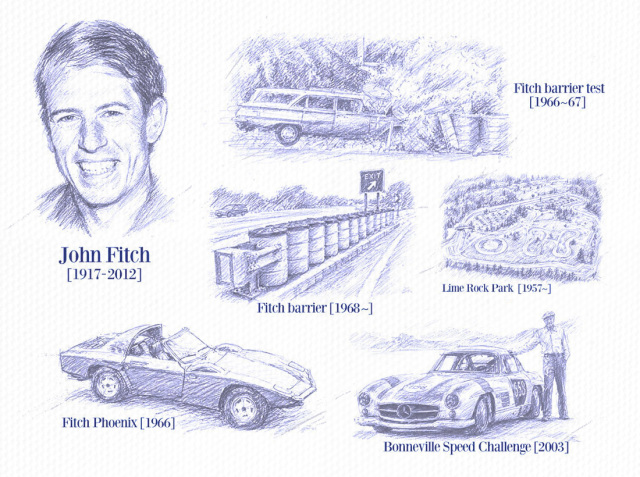
A white car adorned with blue stripes and powered by an American V8 engine, the“C1 LM 1960” was the class winner of 24 Hours of Le Mans in 1960. However, behind the wheel there was another story to tell: one of the American-born ace driver John Fitch and the events surrounding his life that changed the history of American car racing.
The story begins five years before, during the 24 Hours of Le Mans in 1955 where Fitch, as one of the drivers for the Mercedes team, witness his team involved in the worst accident in racing history. Vowing to never let a similar accident happen ever again, the event spurred him into devoting his life to improve safety in racing and driving in general.
Of his many safety inventions one was the Fitch barrier – a plastic barrel filled with sand designed to absorb impact. Inspired by sand-filled fuel cans used to stop bullets that he saw during his time as a pilot in WW2, Fitch filled barrels with various amounts of sand and performed life threatening crash tests on them in his own backyard with a used car. The resulting Fitch barrier was first used on American highways in 1960s, and managed to rescue drivers unharmed from collisions that would have previously been fatal. Since then the Fitch barrier have been installed in highways worldwide, including Japan, and have saved ten of thousands of lives to date.
Despite his devotion to safety, Fitch did not abandon this racing spirit. However he believed that in order for motorsport to be accepted by society, they would need to show the world that they could use American technology to ensure the safety and capability of the sport. This belief resonated with the “Father of the Corvette” - Zola Dantov, who was slowly transforming the Corvette (initially mockingly labeled as a “Plastic Fantastic”) into a proper sportcar at the time.
However due to the after effects of the 1955 Le Mans disaster, the AMA (Automobile Manufactures Association) issued a ban on motorsport participation to all manufactures. With the ban in effect works racing was no longer possible, but Fitch and Zola would find a workaround to continue their racing dreams. Zola used a loophole to have race spec V8 engines and brakes categorized as “general aftermarket parts”, allowing them to be sold as “privateer” items. This allowed the race spec C1 to be bought by the wealthy Briggs Cunningham as an “individual”. Briggs then appointed Fitch as his driver for his “privateer” Cunningham Team, thus allowing the C1 to enter the 1960 24 Hours of Le Mans.
For Fitch, the 1960 24 Hours of Le Mans was his first Le Mans race since the 1955 disaster, and it proved to be a grueling test for him at the Circuit de la Sarthe. As the two other Cunningham team cars retired due respectively to a rain related crash and mechanical issues, Fitch's Car #3 would experience overheating during the final stages of the race. A retirement would have ended the Corvette's challenge, but in a final effort the team found a loophole to cool the engine down: the use of liquids was prohibited, so instead the team would try to cool down the car by throwing ice into the engine room during every pit stop. This allowed the battered Car #3 to make its way to the goal line, where it managed to take 8th place overall along with a class victory. At the time the top 7 places were all European prototypes (Ferrari, Aston Martin etc.), so having the heavyweight production-based C1 place right after those prototypes sent the American media into a frenzy, declaring that “American toughness has overcome European sophistication”. This “victory” proved that American cars had the potential to be a top competitor to the sport, and that potential would be fully shown in the future with the C.Shelby Cobra and Ford victories in future Le Mans races.
Fitch would further contribute to the race world and the safety of it – Fitch would later design and build the Lime Rock Park circuit in Connecticut, the world's first modern racetrack built with the top priority of safety for both drivers and spectators. In 1966 he designed the road legal GT car, the “Fitch Phoenix” - while only one was produced and mass production never came to fruition, it was an advanced sports car that prioritized safety. In 2003, at the ages of 86, Fitch attempted to break the land speed record at Bonneville Salt Flats in a Mercedes 300SL. In 2010 at the Le Mans 50th Anniversary event Fitch would be reunited with his C1 No.3, which was sold after the race in 1960 and rediscovered by an avid collector later who restored it to its original condition. The 93 year old Fitch would drive the car for a demonstration run during the event among the cheering from the crowd.
In 2012, John Fitch passed away at the age of 95 at his home near Lime Rock Park. He would not be remembered only as a racer who loved the thrill of speed even in his final days, but also as a person who devoted to safety on the roads that allow such speed thrills to continue to exists will now and from here on.
[ キット概要 -Kit Details- ]
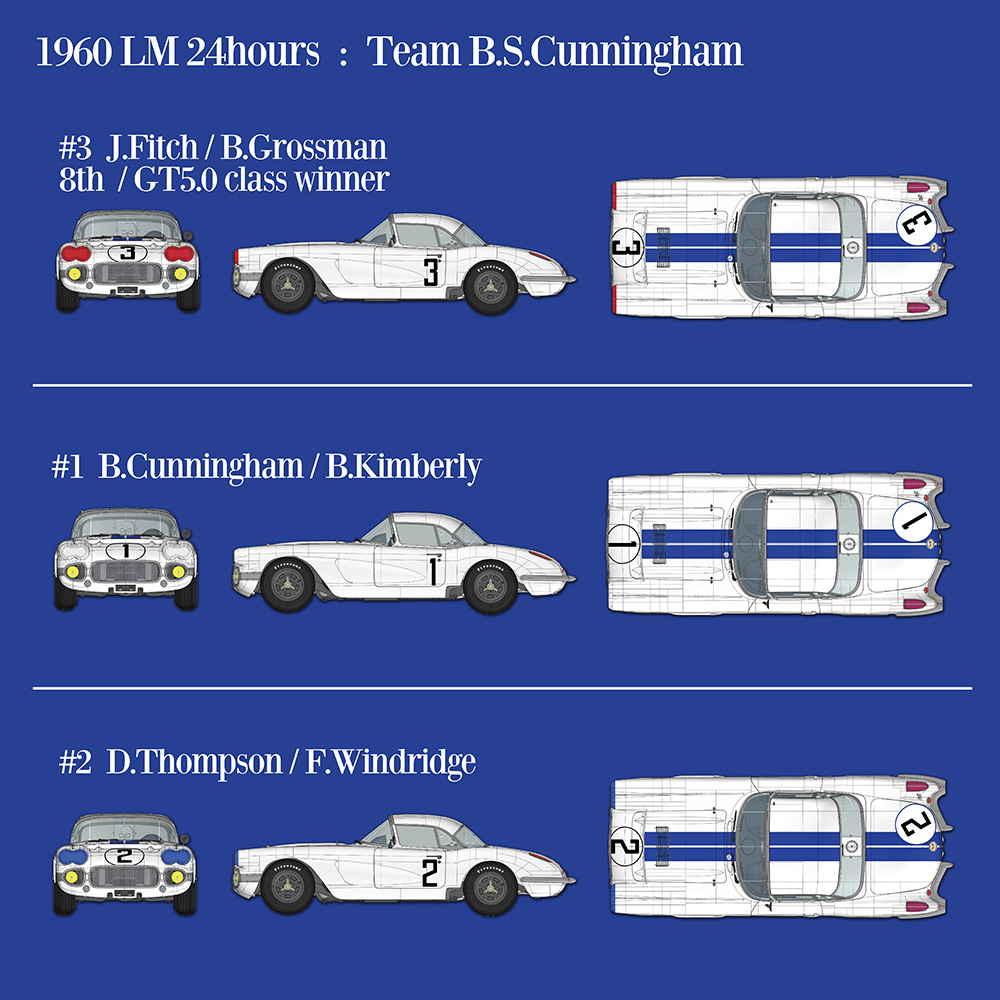
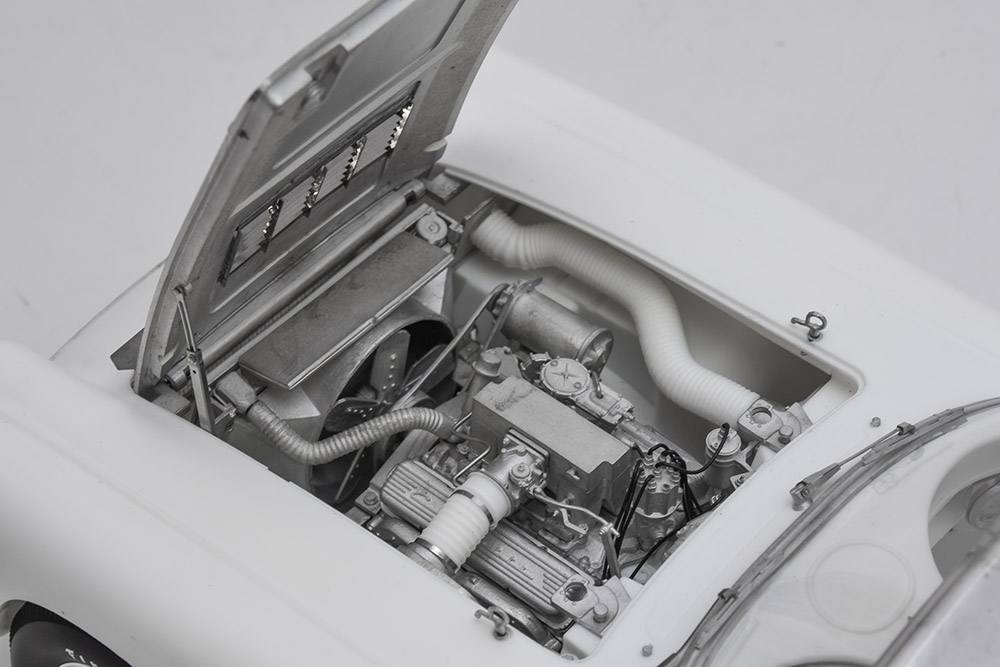
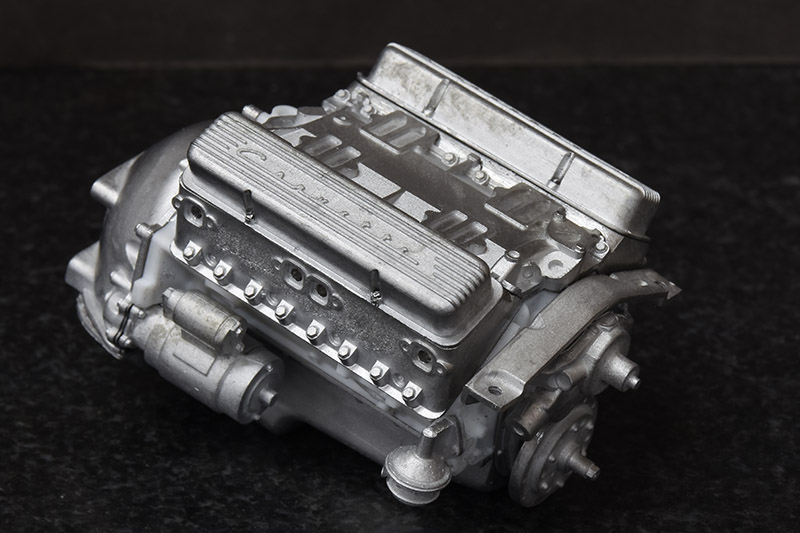
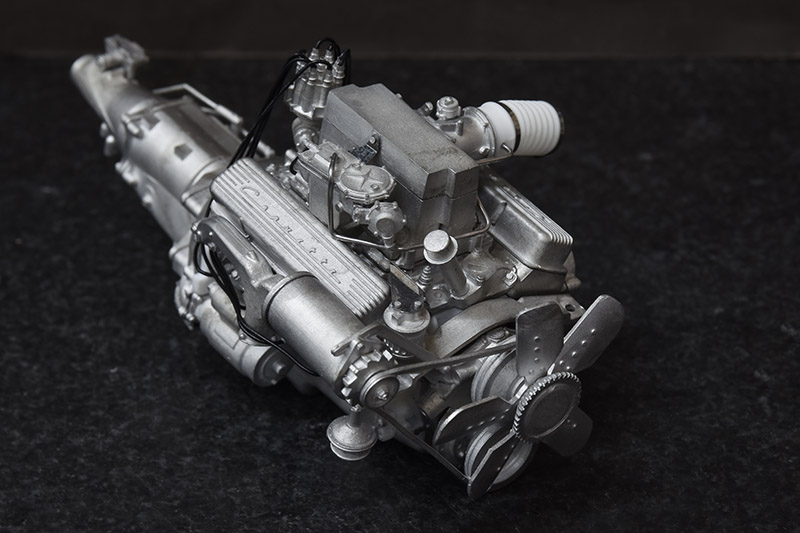
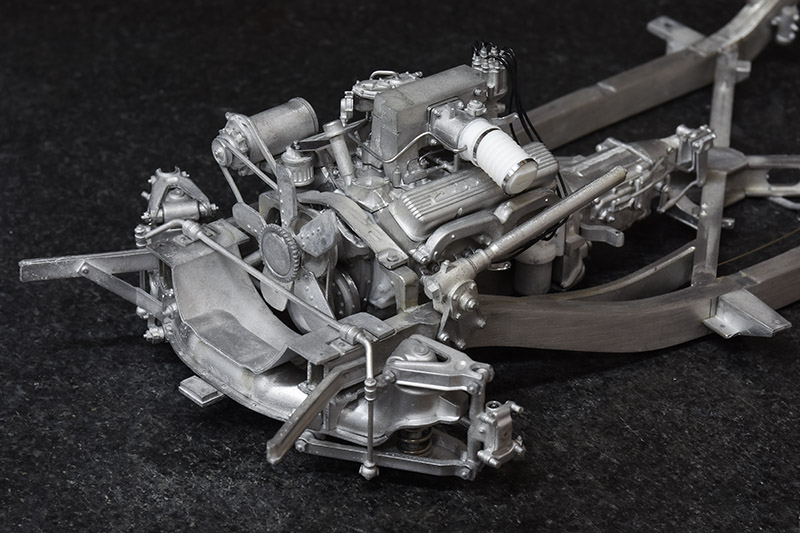
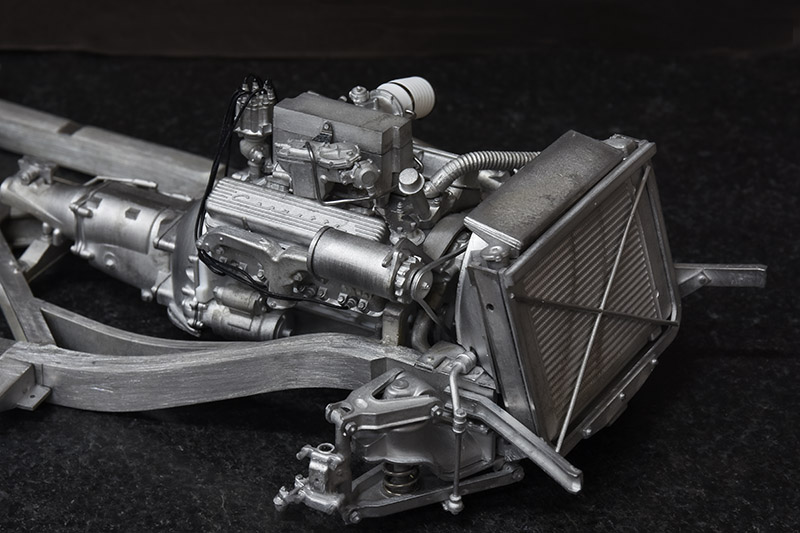
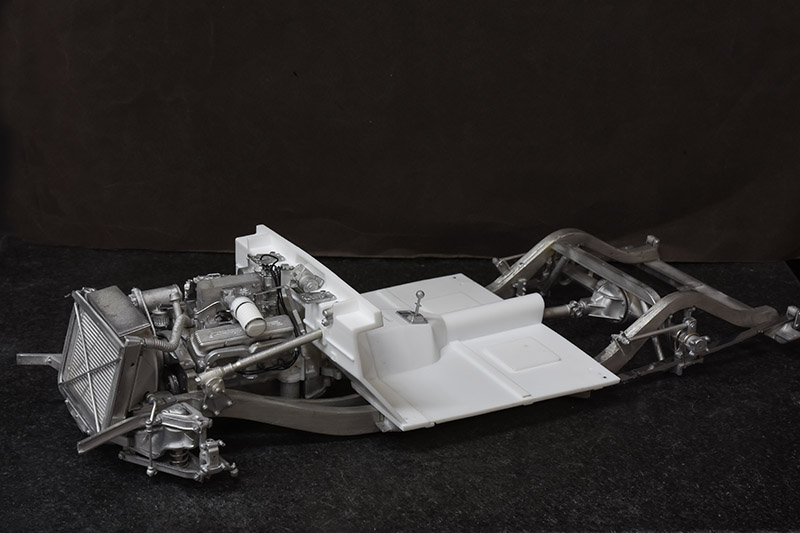
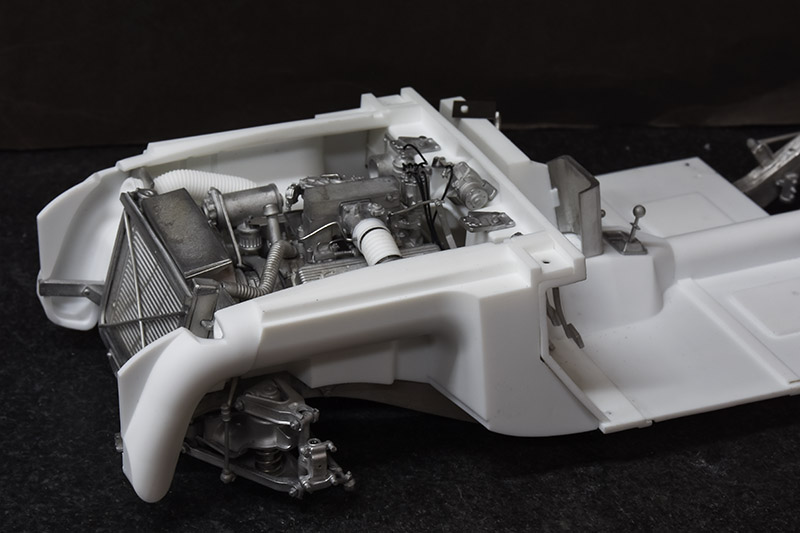
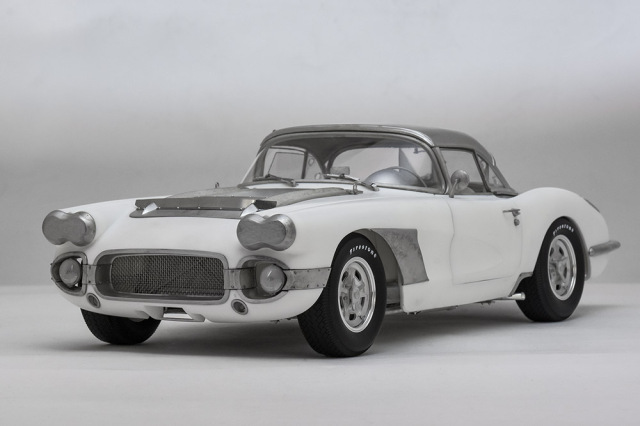
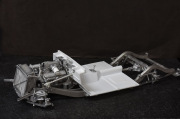
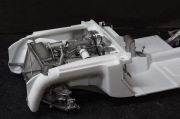
■1960年ル・マン24時間レースに参戦したTeam B.S.Cunninghamの3台のC1をモデル化。中でも、J.Fitch / B.Grossman組の3号車は総合8位に入り、GT5.0クラス優勝を飾りました。
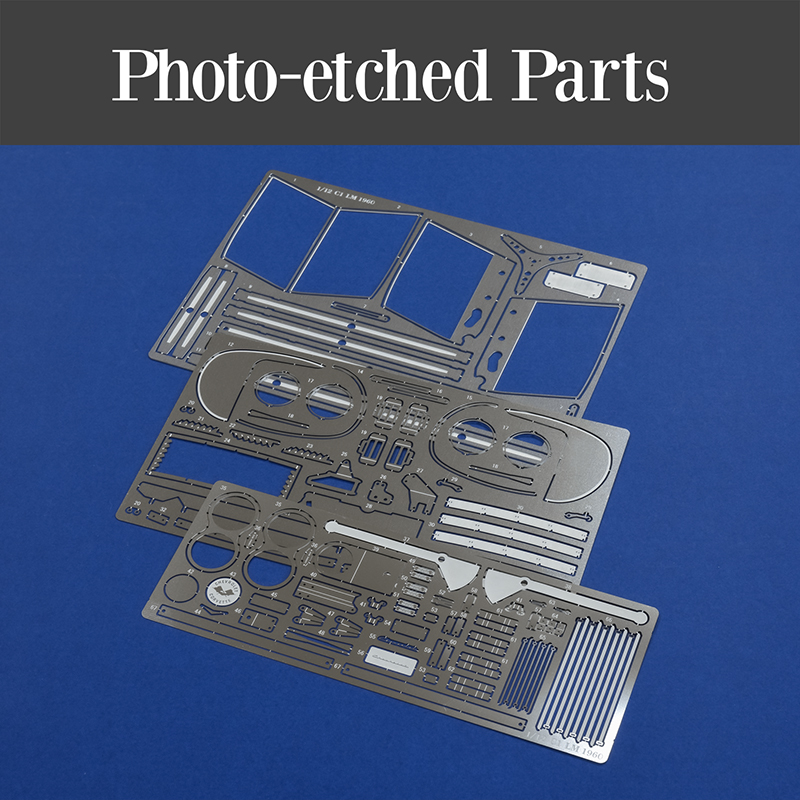
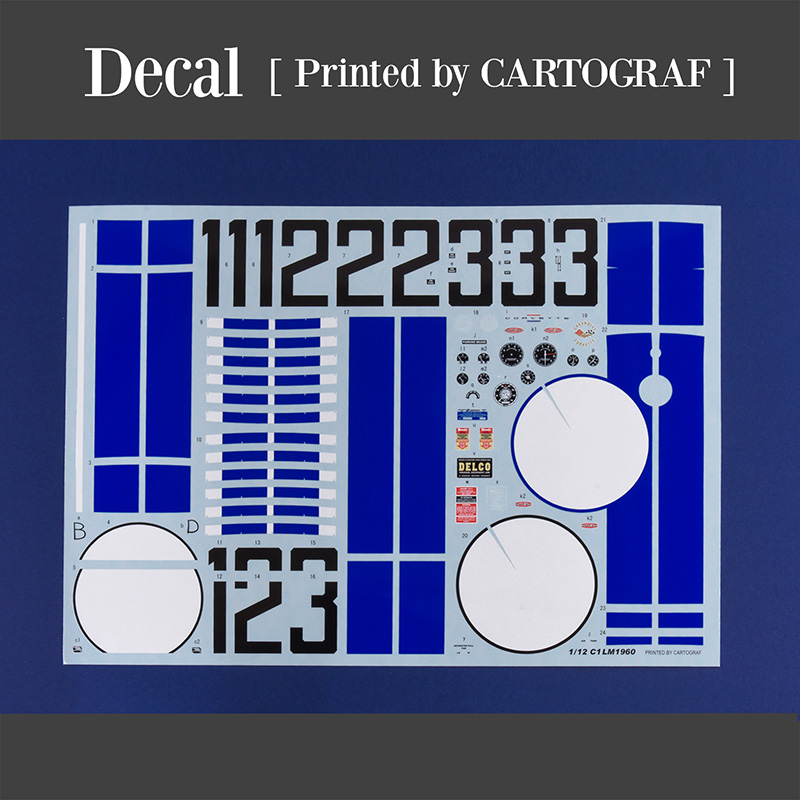
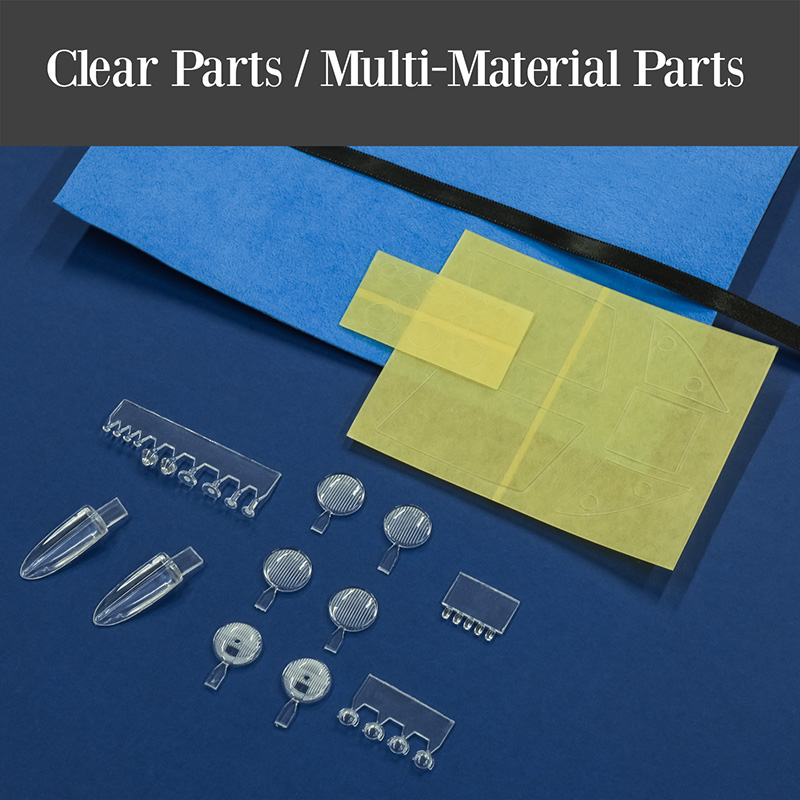
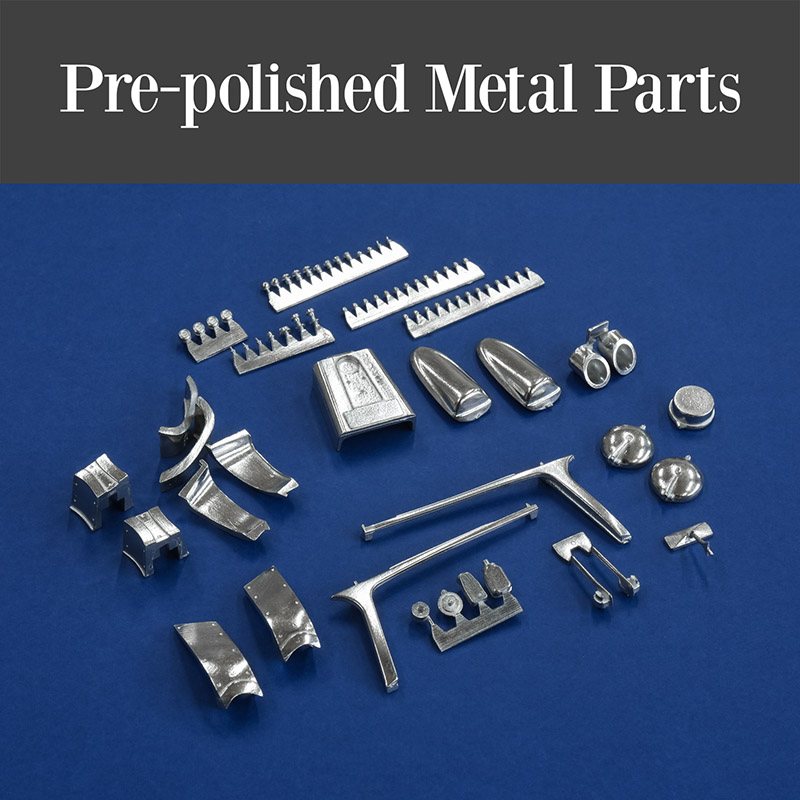
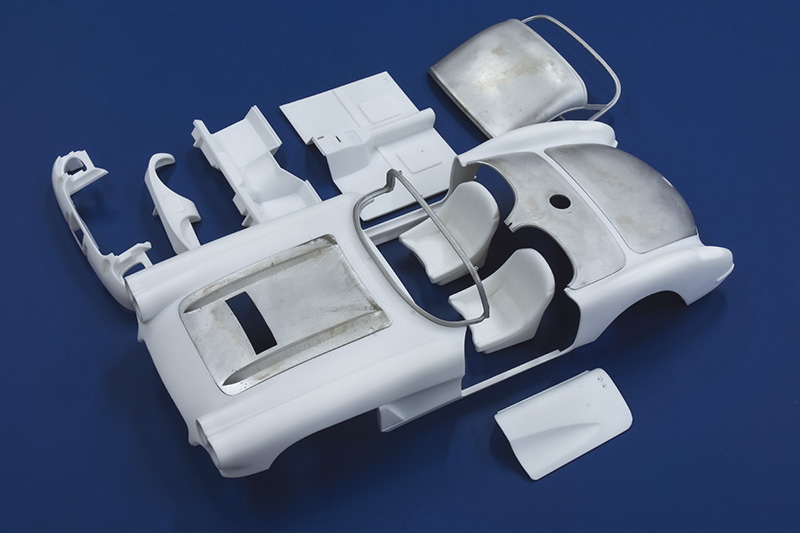
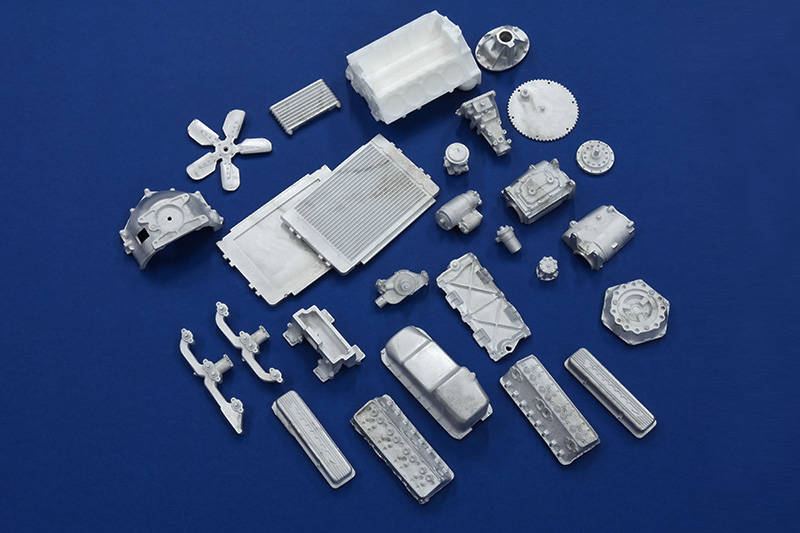
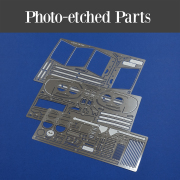
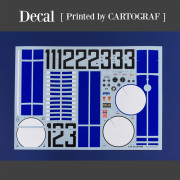
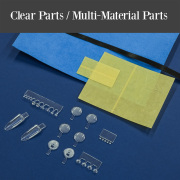
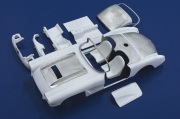
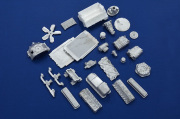
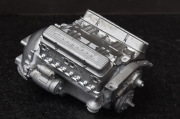
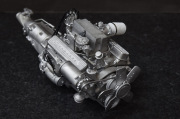
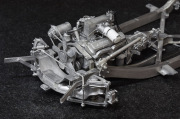
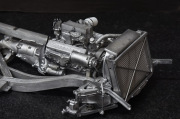
■ホワイトメタル、ウレタン樹脂、金属挽き物、エッチングパーツ、ゴムタイヤ、シルクスクリーン印刷デカール、各種コード類を使用したマルチ・マテリアル・キット。
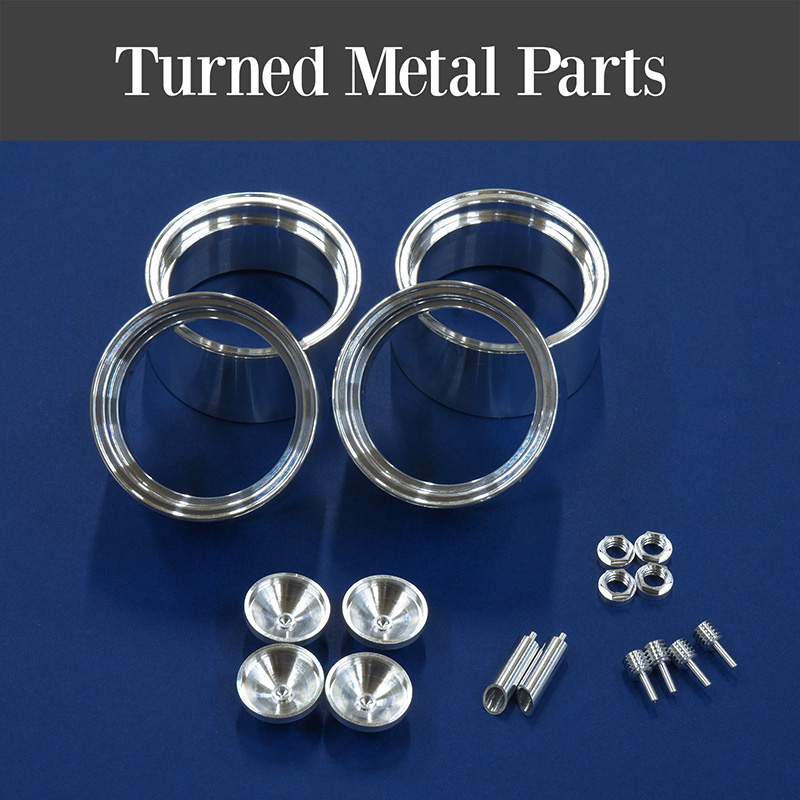
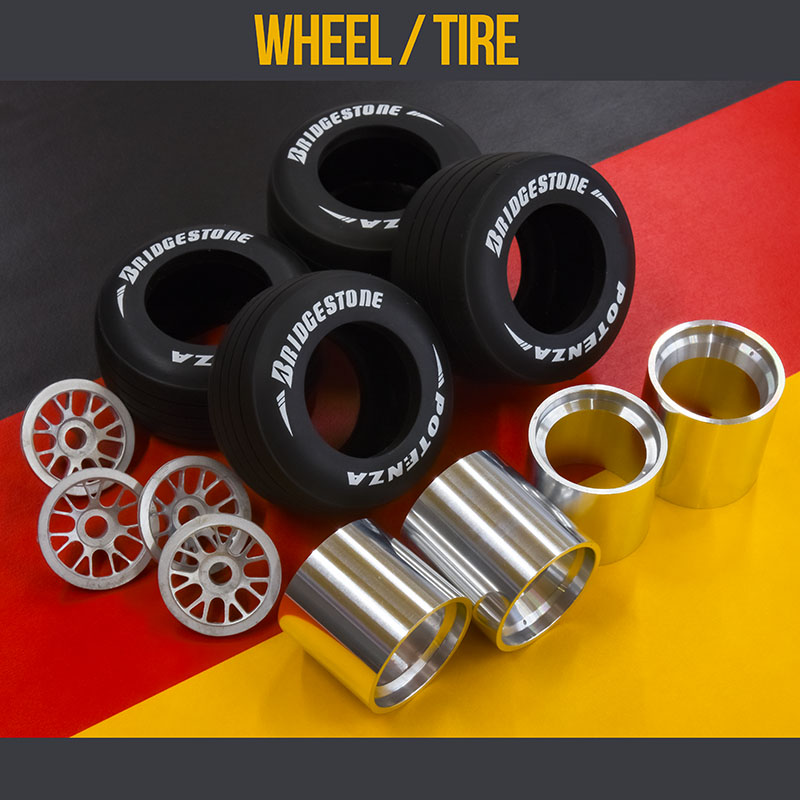
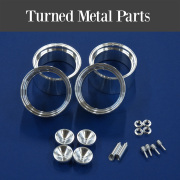
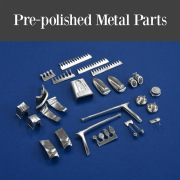
■ホイール、ヘッドライトリム、ホイールシャフト/ナット、マフラーエンドはアルミ挽き物製。
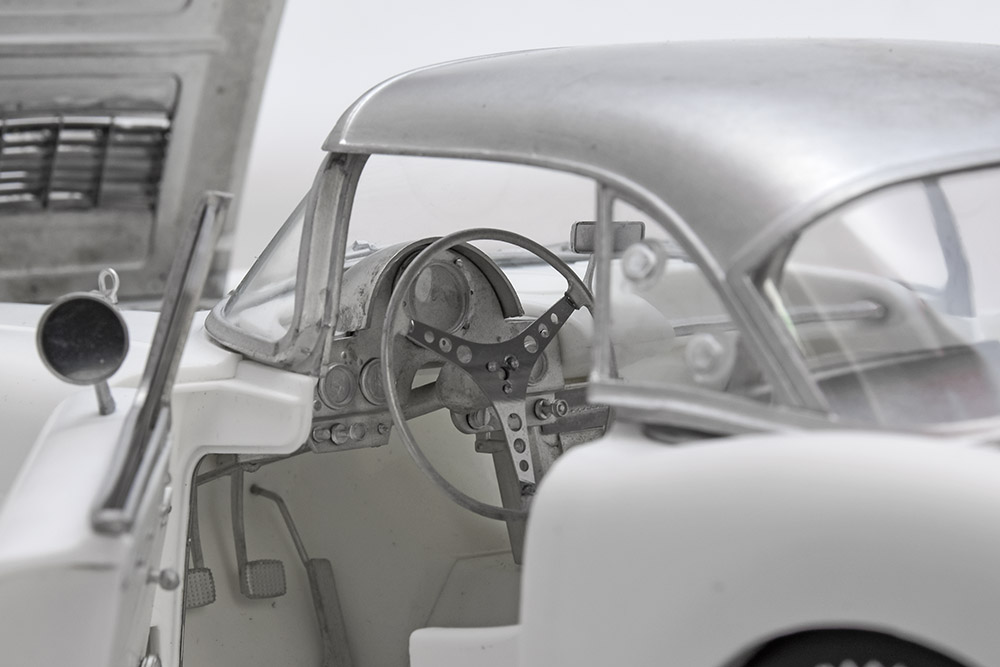
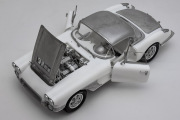
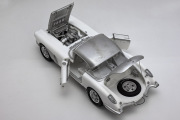
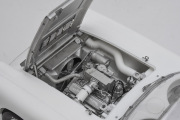
■フロントボンネットとリアトランク、ドアは開閉可能で、完成後も内部構造を見ることができます。
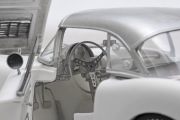
■車内フロアはシート地素材が同梱、フロアの素材感をリアルに再現できます。
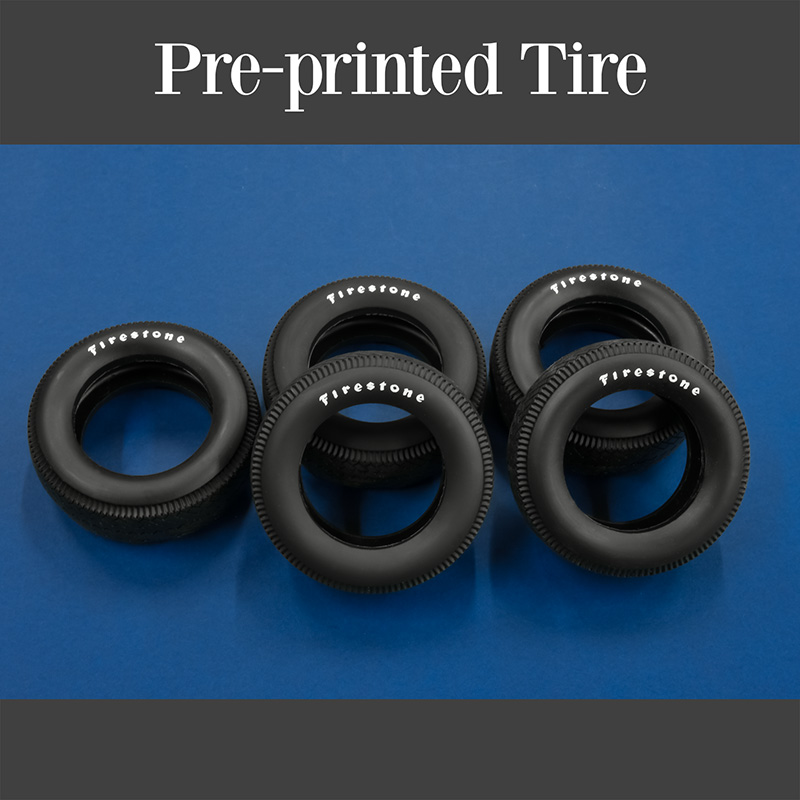
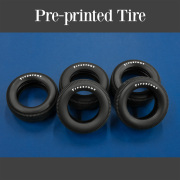
■ゴム製タイヤはメーカーロゴ印刷済み。
- Based on the three C1 [Team B.S.Cunningham] models that raced at 24 Hours of Le Mans in 1960, which includes Car #3 piloted by J.Fitch/B.Grossman that finished in 8th place and placed 1st in its GT5.0 class.
- a full detailed, multi-material kit featuring white metal, resin, photoetch parts, turned metal parts, rubber tires, silk screen decals and various cords allowing for maximum representation of the original vehicle.
- aluminum turned parts used for wheel rims, headlight rims, muffler ends, wheel shaft and locknut.
- front bonnet, rear trunk and doors can open and close post construction, allowing full view of the detailed interior after completion.
- seat fabric for interior floor also included for realistic representation.
- tires pre-printed with maker logo.
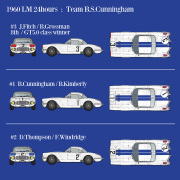
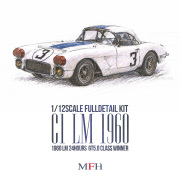 ●K869 - 1/12scale Fulldetail Kit : C1 LM 1960
1960 LM 24hours
Team B.S.Cunningham
#3 J.Fitch / B.Grossman - 8th [GT5.0 class winner]
#1 B.Cunningham / B.Kimberly
#2 D.Thompson / F.Windridge
*(現在企画中ですので、発売時期・価格・仕様・構成が変更になる場合があります。 / CG画像はイメージです。必ずしもキット内容と合致するとは限りません。)
*(Product is currently still in design phase: release date/price/instructions for construction/build may be altered for official release. / Images based off CG captures may not accurately reflect that of the final product.)
[ 2026年10月発売 / October 2026 released ]
[ - お知らせ Notice - August 21th, 2026 ]
・本製品のご予約受付は終了いたしました。ご予約ありがとうございました。
尚、次回生産の時期は未定です。何卒ご了承くださいますよう、お願い致します。
- Thank you for your many pre-orders. Reservations for "1/12scale Fulldetail Kit : F2004" are now closed.
The schedule of the next production is currently undecided. Thank you for your understanding.
 2026年9月発売予定 September 2026
Price : \95,000- (+tax)
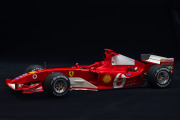
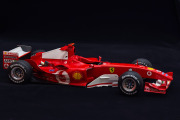
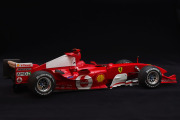
[ F2004について -About the F2004- ]

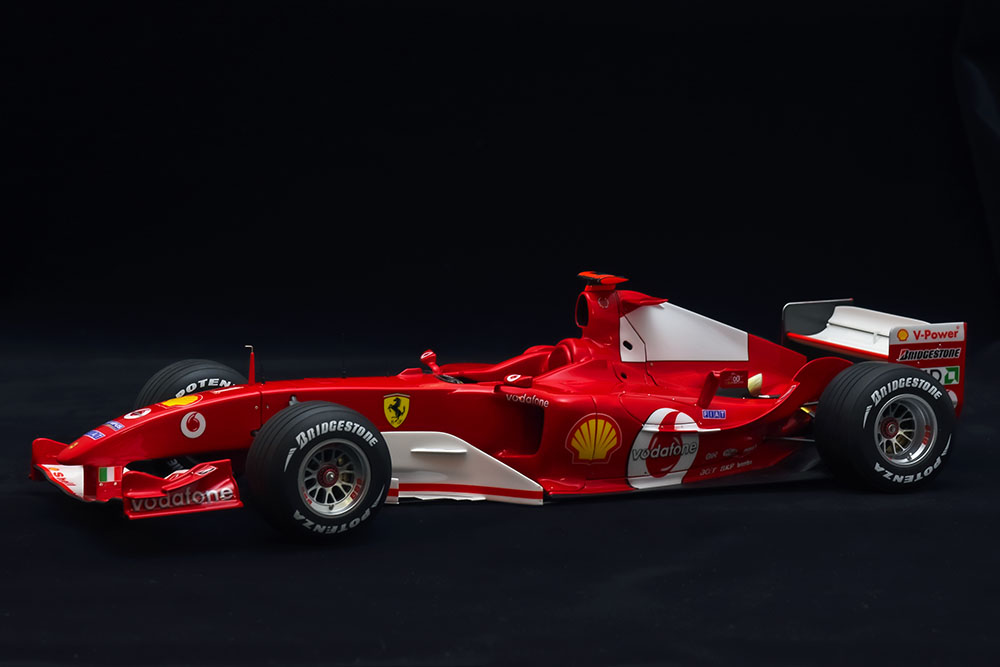
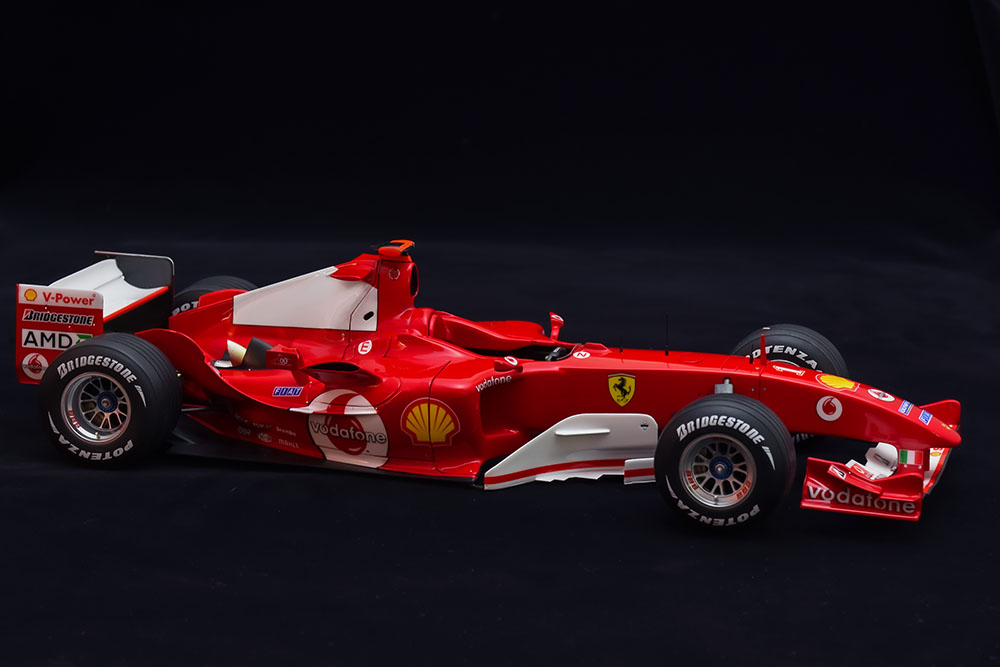
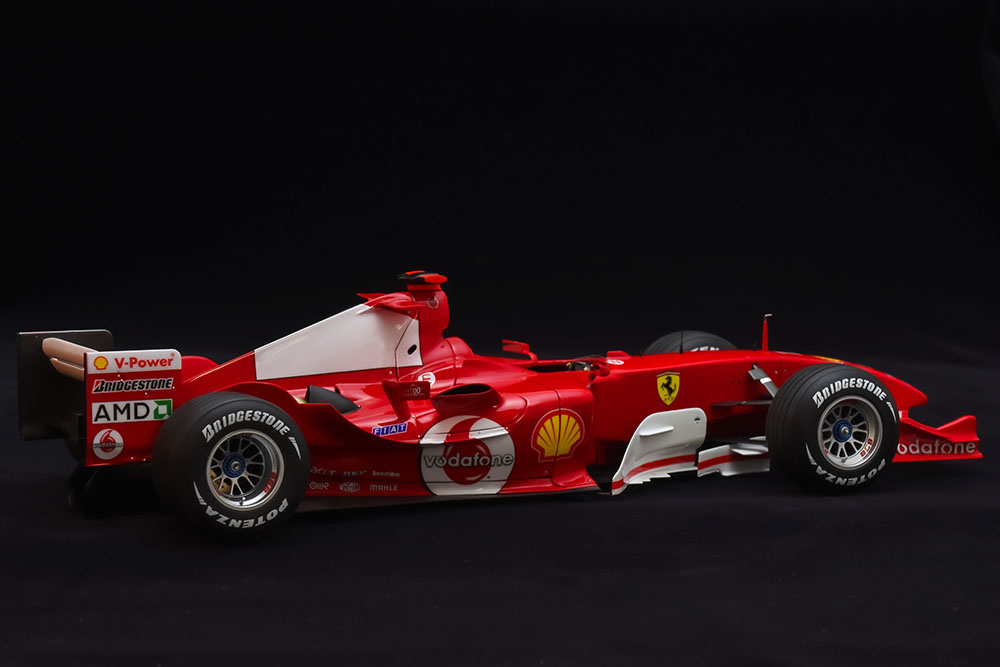
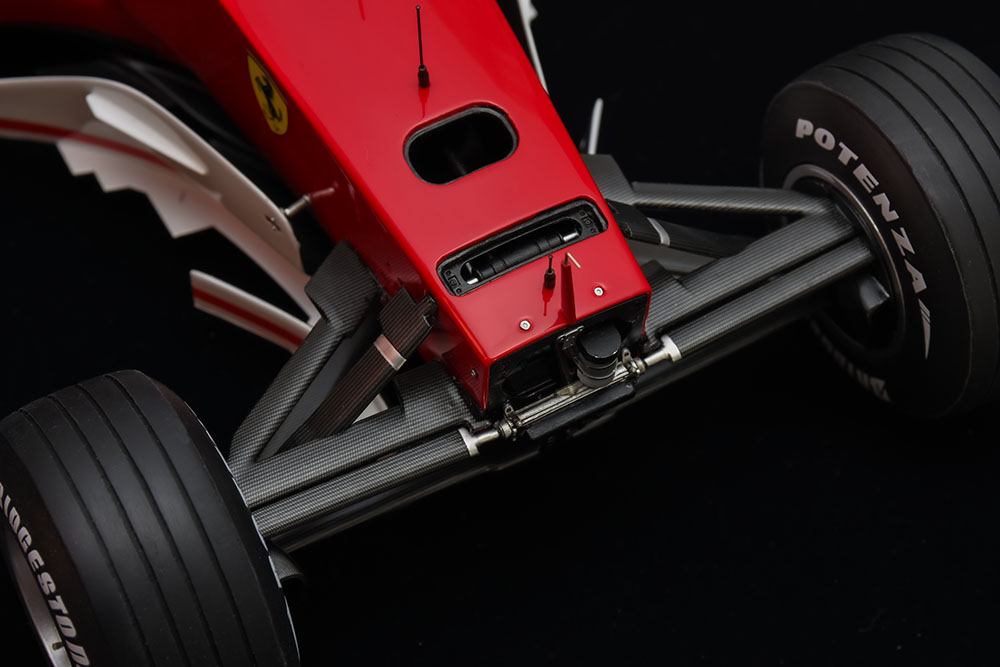
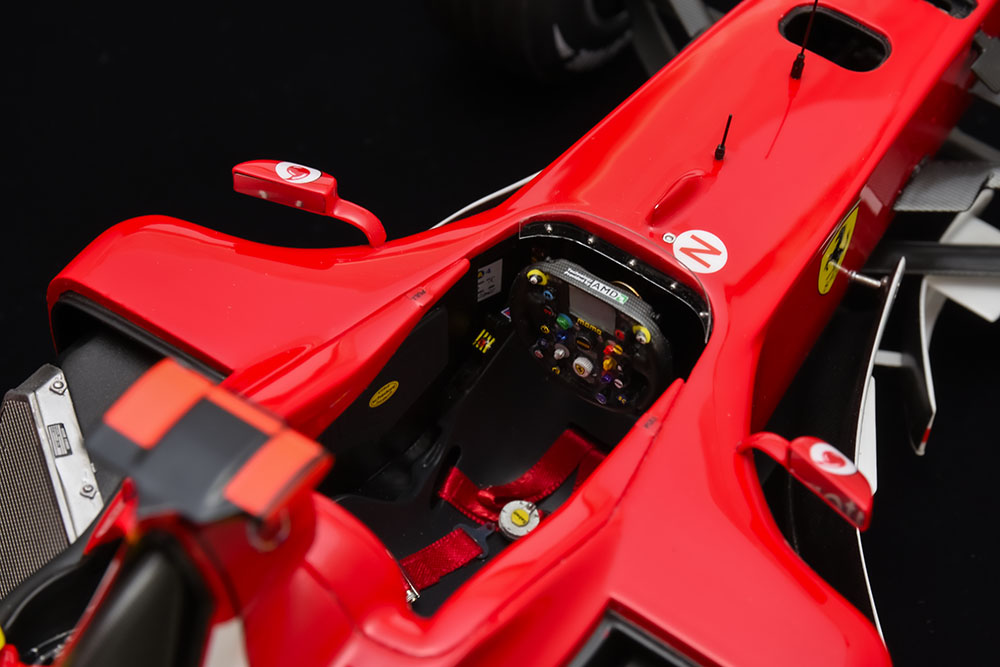
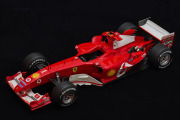
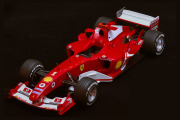
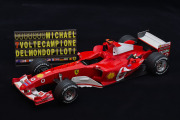
1990年代から始まった、ルカ・ディ・モンテゼモーロ社長、ジャン・トッド監督、テクニカルディレクターのロス・ブラウン、チーフデザイナーのロリー・バーン、そしてエースドライバーのミハエル・シューマッハという体制のフェラーリは、1999年にコンストラクターズタイトルを獲得。さらに2000年にはシューマッハがドライバーズタイトルを獲得し、長く低迷していた名門チームは、再び常勝チームとしての地位を取り戻します。
そして迎えた2004年。フェラーリにとって、この体制によるチーム作りがひとつの頂点に達したシーズンでした。
2004年シーズンを戦うにあたり、チームは前年型F2003-GAをベースとしながら、その設計をさらに発展させました。特に空力性能と軽量化を徹底的に追求し、速さのために無駄を削ぎ落とした機能美を備えたマシンとして、レースに送り出されました。
そのマシンこそが、シューマッハにとって最後のドライバーズタイトル獲得をもたらした"F2004"です。
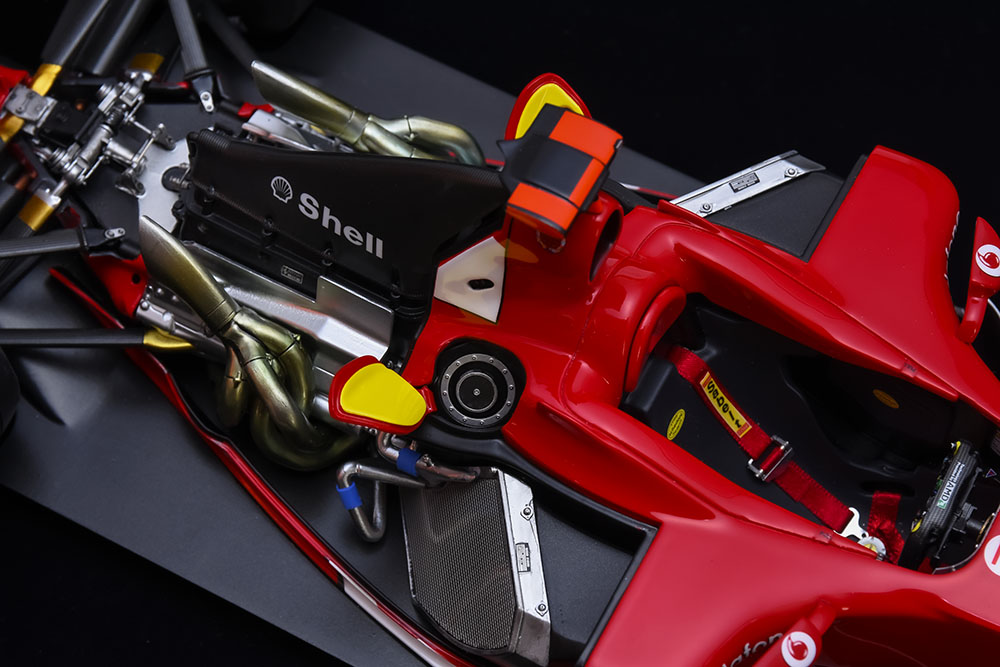
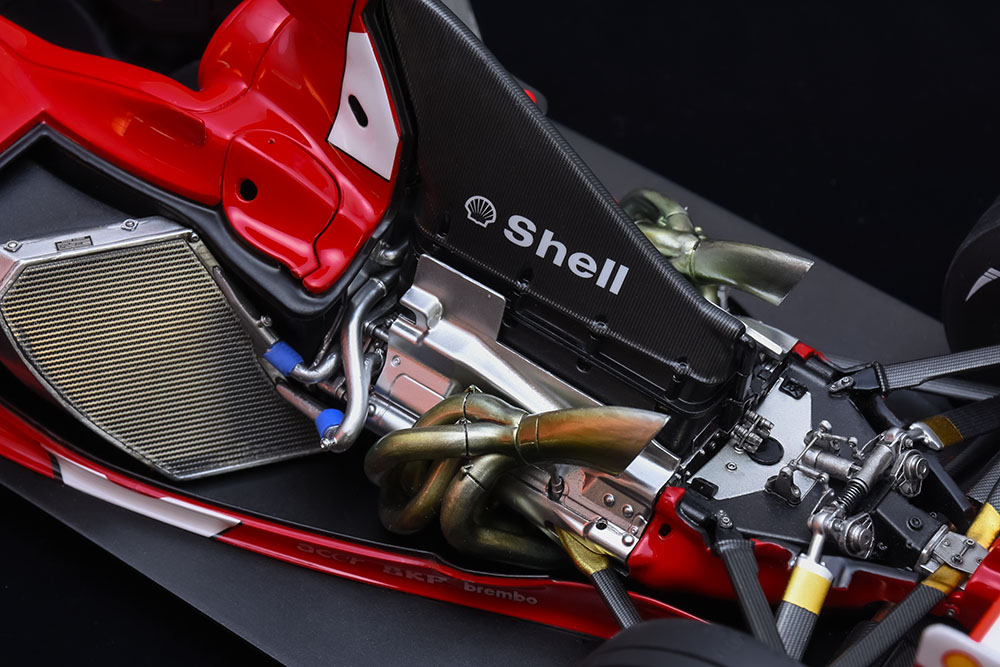
F2004は、Tipo053 V10エンジンを搭載、軽量・小型化されたギアボックスを組み合わせ、さらにカウルやウイングなど空力面にも大幅な改良が施されました。前年までに築き上げられたフェラーリの技術をさらに磨き上げ、速さと信頼性を高い次元で両立したマシンとしてグランプリに投入されたのです。
その速さは、シーズン開幕戦から圧倒的でした。シューマッハは開幕から13戦で12勝という驚異的な記録を残し、最終的には18戦中13勝を挙げてドライバーズ・タイトルを獲得。セカンドドライバーのルーベンス・バリチェロも2勝を含む14回の表彰台を記録し、フェラーリのコンストラクターズ・タイトル獲得に大きく貢献しました。
F2004は、単に2004年のチャンピオンマシンというだけではありません。2000年から続いたシューマッハ時代の強さ、そしてモンテゼモーロ、トッド、ブラウン、バーン、シューマッハによって築き上げられたフェラーリ黄金期、それらがひとつのマシンとして結実した、そんな存在でした。
まさにF2004は、フェラーリが築き上げた「シューマッハ時代」の強さを象徴する一台だった、と言えるでしょう。
In 1999, Ferrari managed to win the Constructor's championship after a long slump, led by team president Luca di Montezemolo, team principal Jean Todt, technical director Ross Brawn, chief designer Rory Byrne and ace driver Michael Schumacher. In the following year Schumacher was able to win the Driver's Championship also, marking the return of the dominance the team once had.
In 2004, this team structure would be taken to it full potential. Using the F2003-GA from the previous year as a base, further aerodynamic function and weight reduction was sought, bringing forth a car that bared no unnecessary element that would reduce its speed. The result would be the F2004, the car that bought Schumacher his final Driver's Championship title.
The F2004 was equipped with the Tipo 053 V10 engine, and paired with a lighter, more compacted gearbox. Along with further improvements to the cowl and wings for aerodynamic refinement, the car featured a high level of speed and reliability built up from years of technology development. The car dominated right from the beginning of the season, with Schumacher taking 12 wins out of the first 13 races, and 13 wins over the season (of 18 races) to secure the Driver's Championship. Second driver Rubens Barrichello also managed to take 14 podium finishes, 2 of which were 1st place victories, allowing Ferrari to capture the Constructor's Championship for the season as well.
The F2004 was more than just the championship car of the season. It also represented the culmination of dominance of the Ferrari team at its absolute peak, built by a team of Montezemolo, Todt, Brawn, Byrne and Schumacher. It was a car that symbolized the strength of the “Schumacher Era” that Ferrari had built up until then.
[ キット概要 -Kit Details- ]
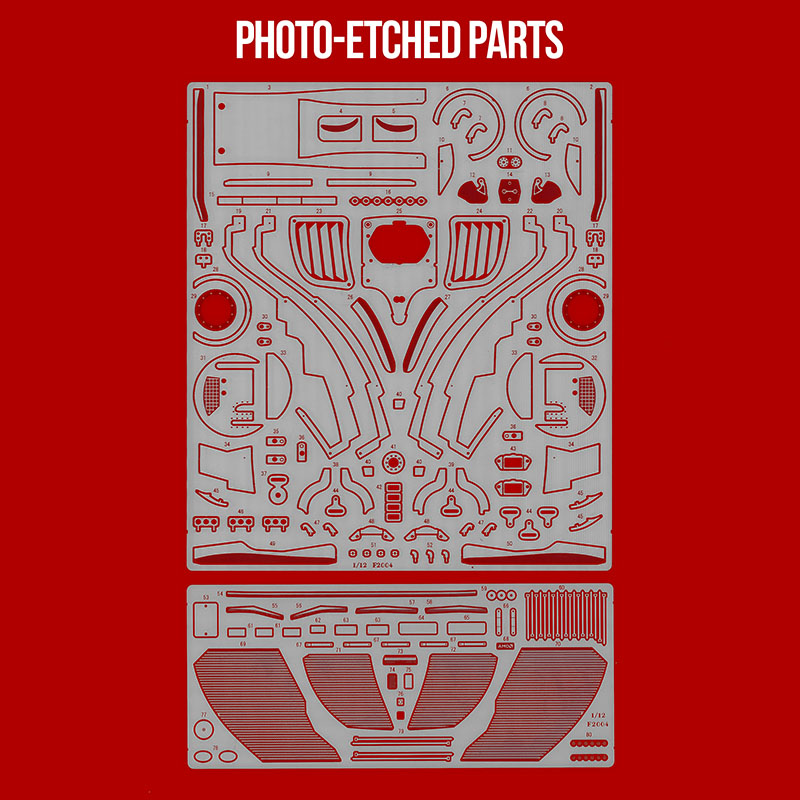
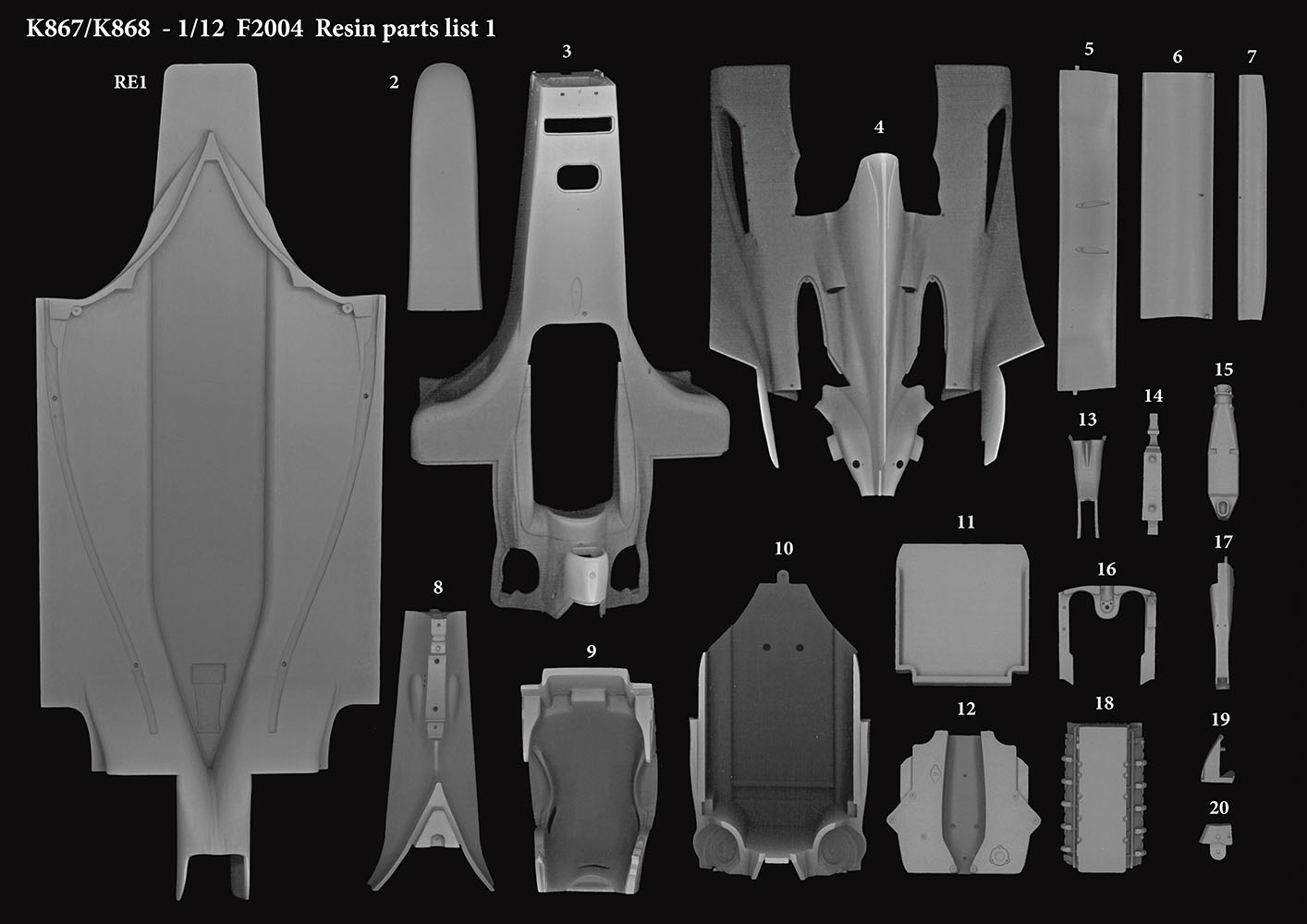
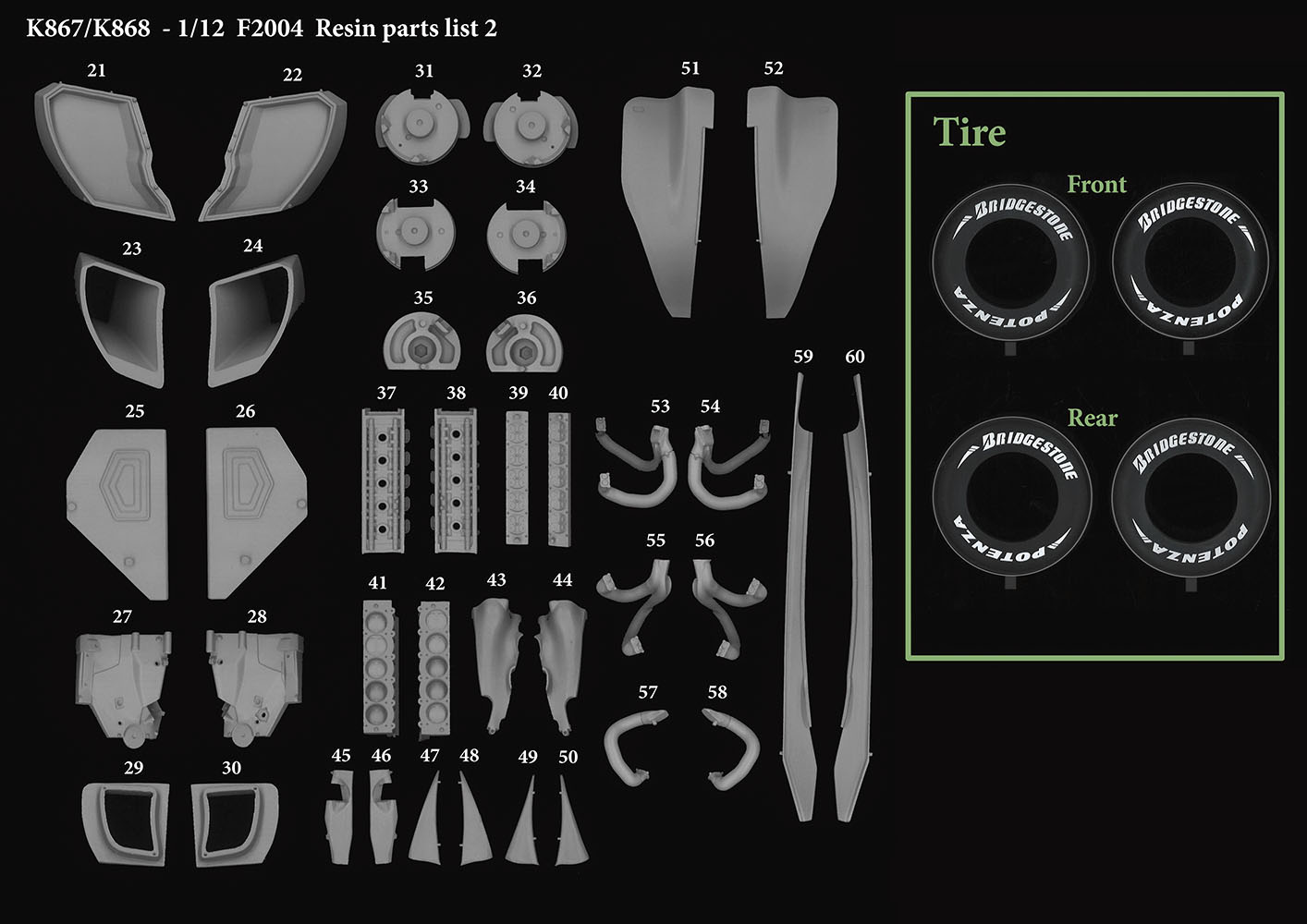
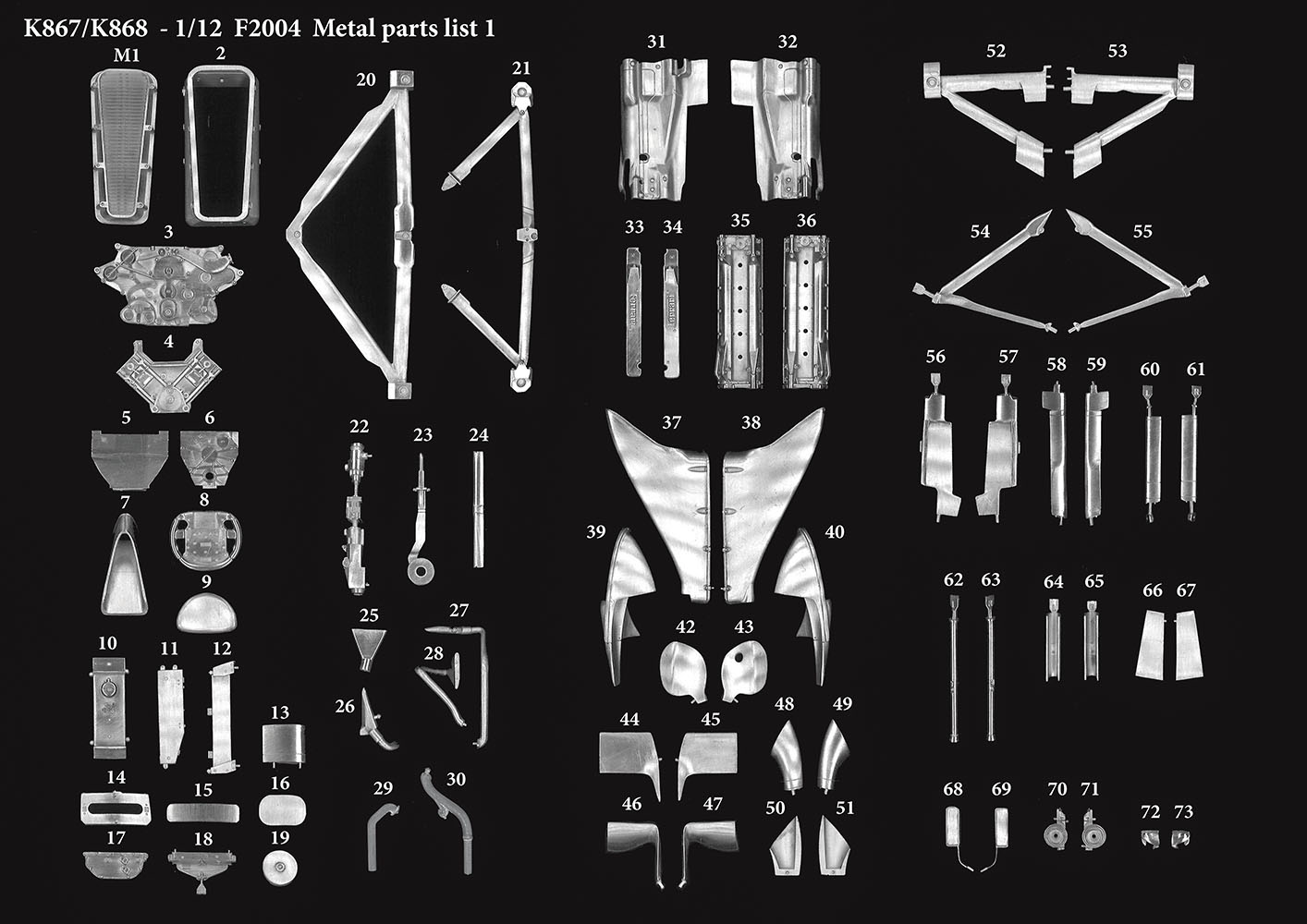
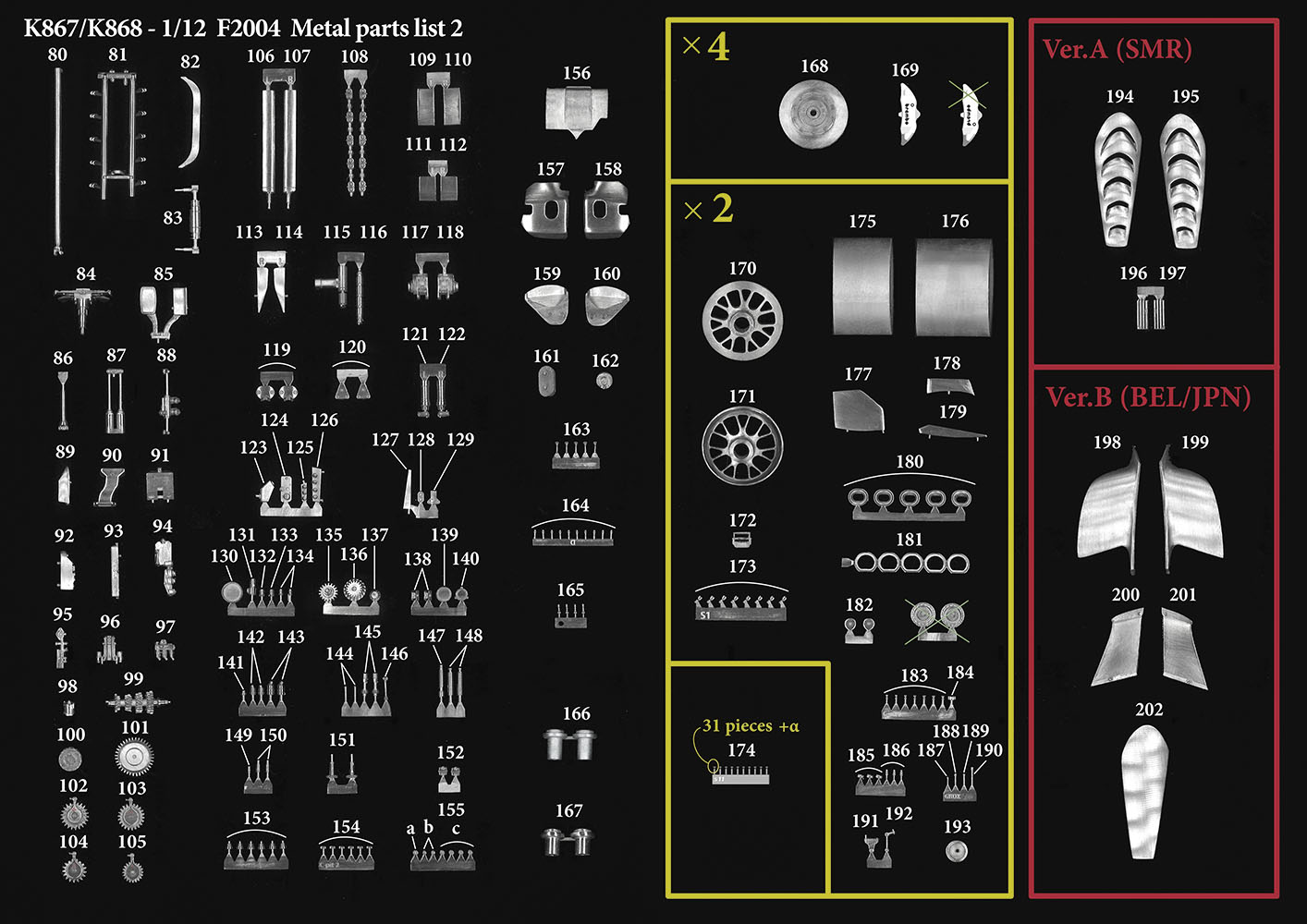
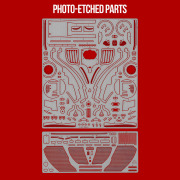
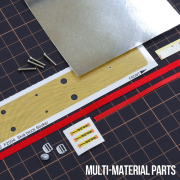
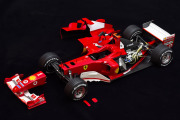
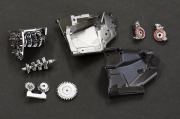
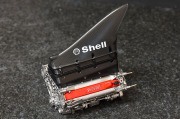
■レジン、ホワイトメタル、エッチング、シルクスクリーン印刷デカール、ゴムパーツ、アルミ挽き物、各種コード類等を使用したマルチマテリアル・キットです。
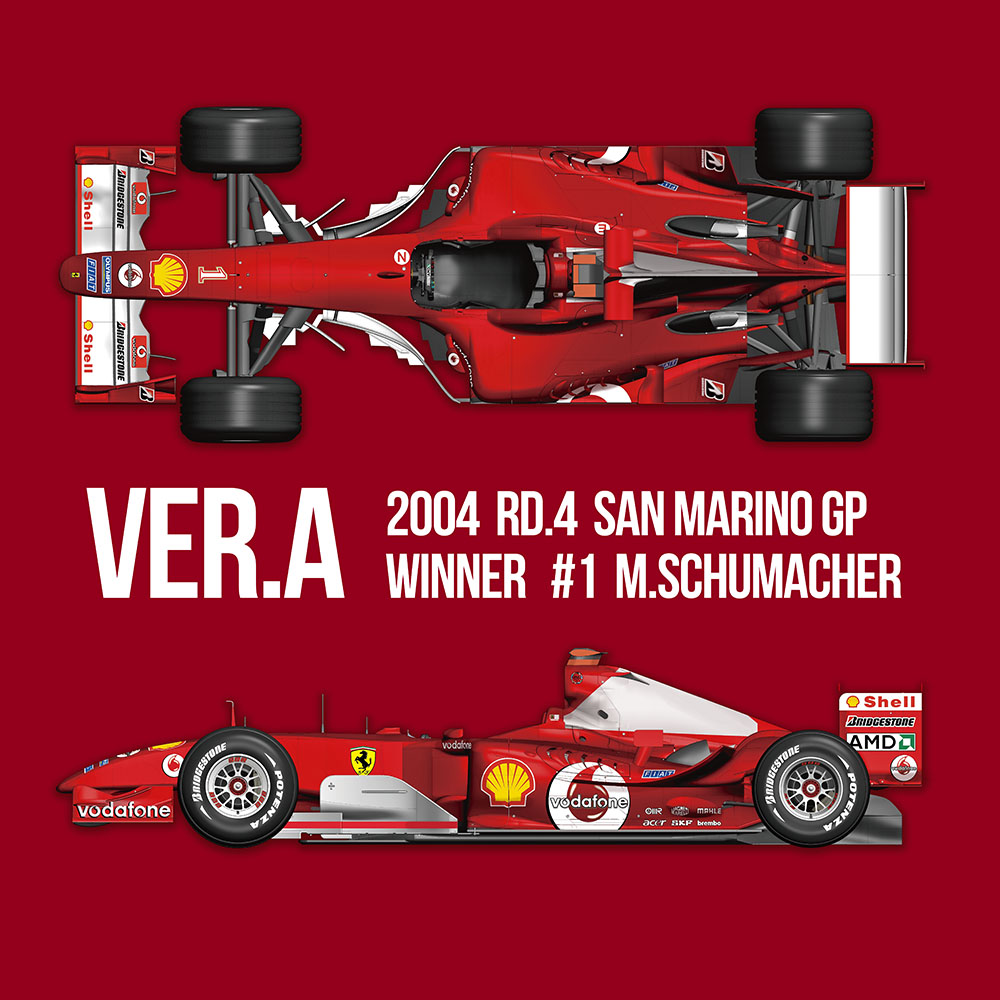
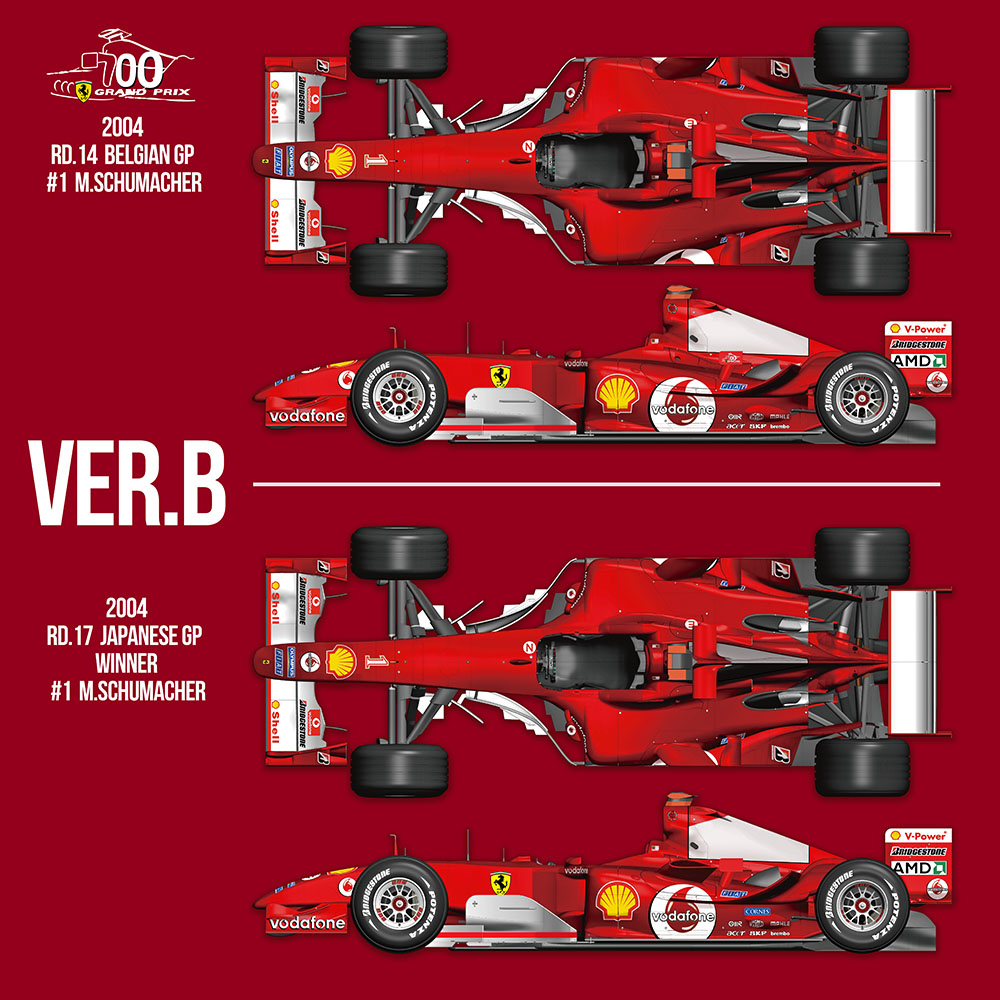
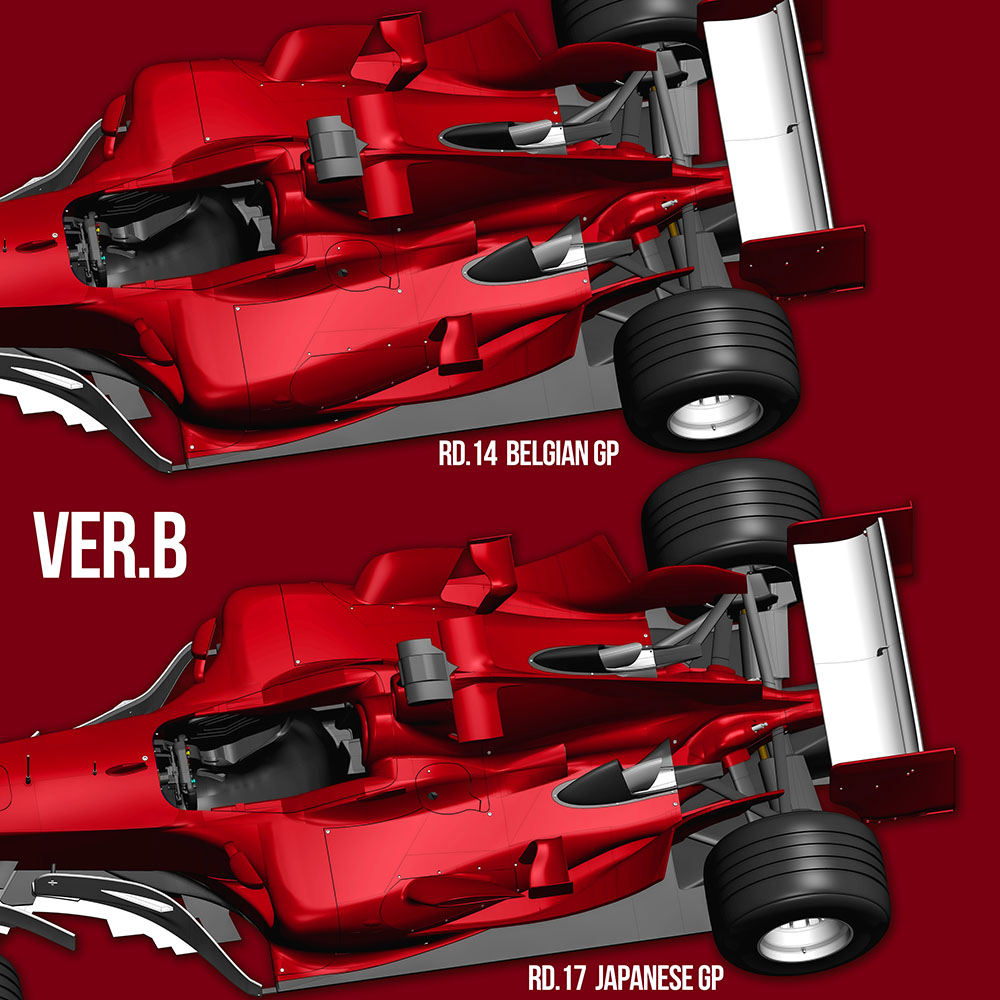
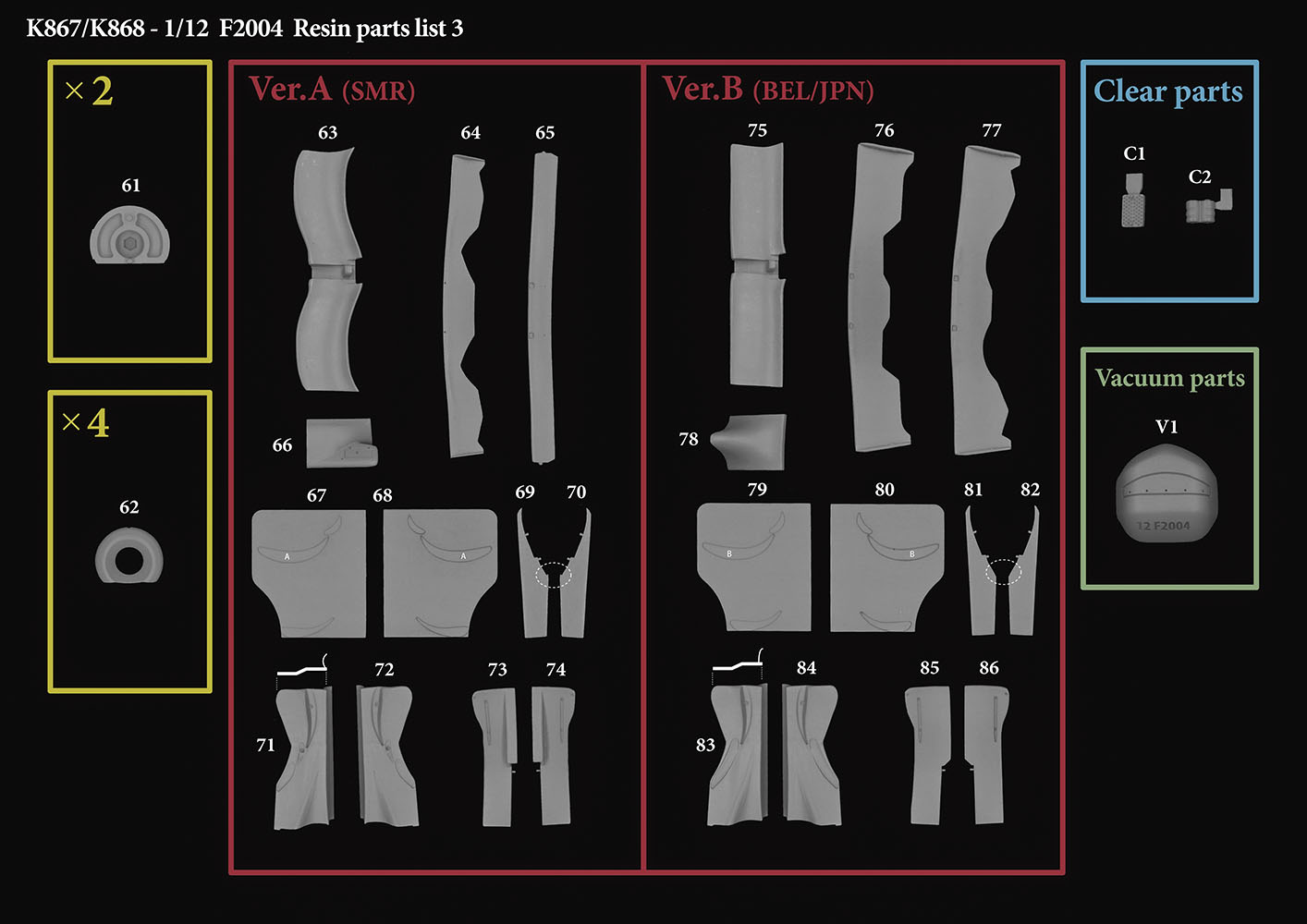
■2004年第4戦サンマリノGP仕様と、2004年第14戦ベルギーGP及び第17戦日本GP仕様の、2バージョン。
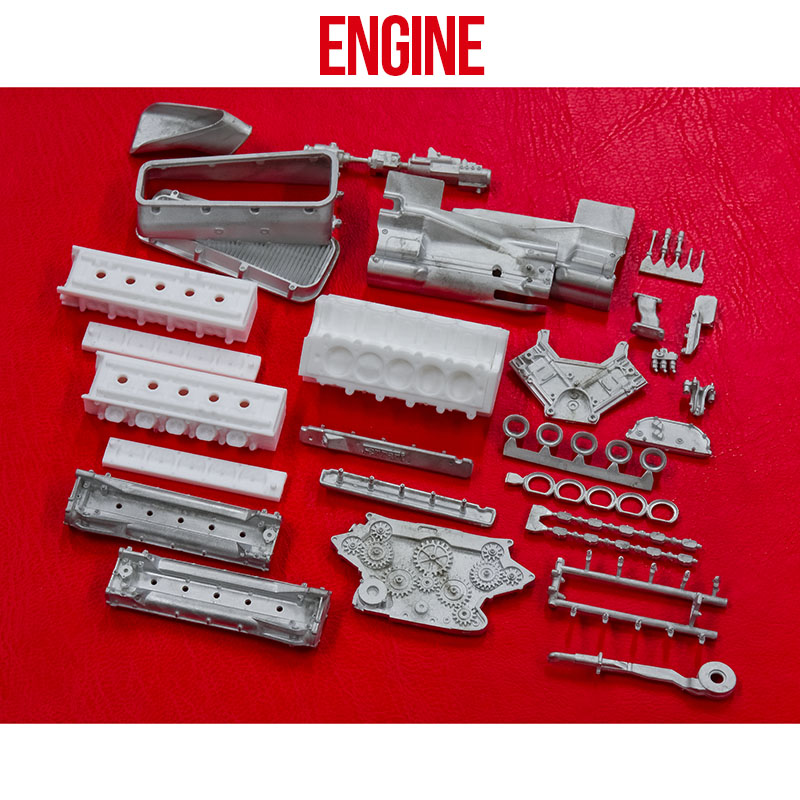
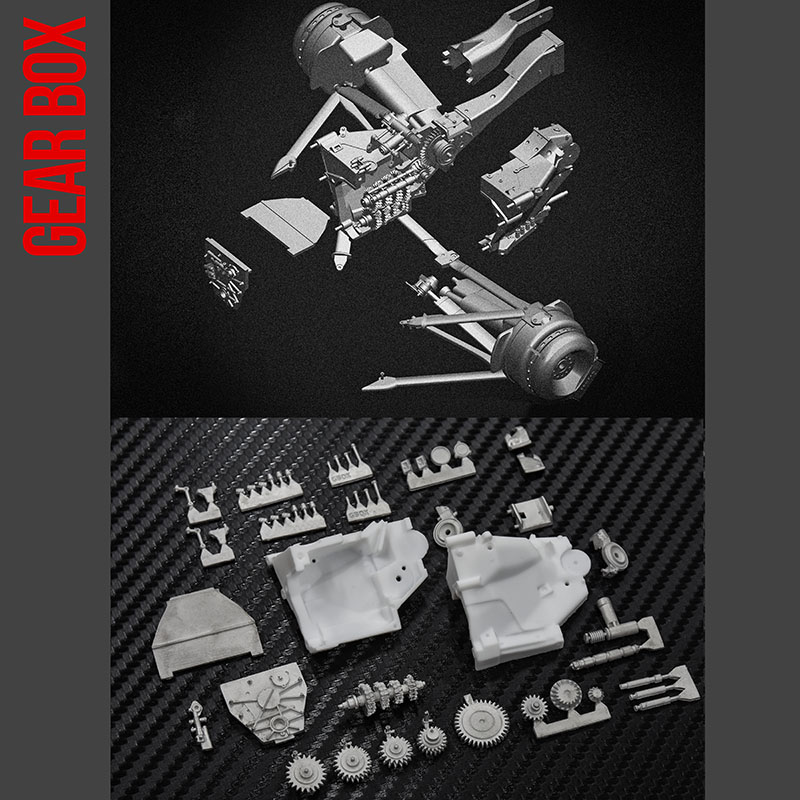
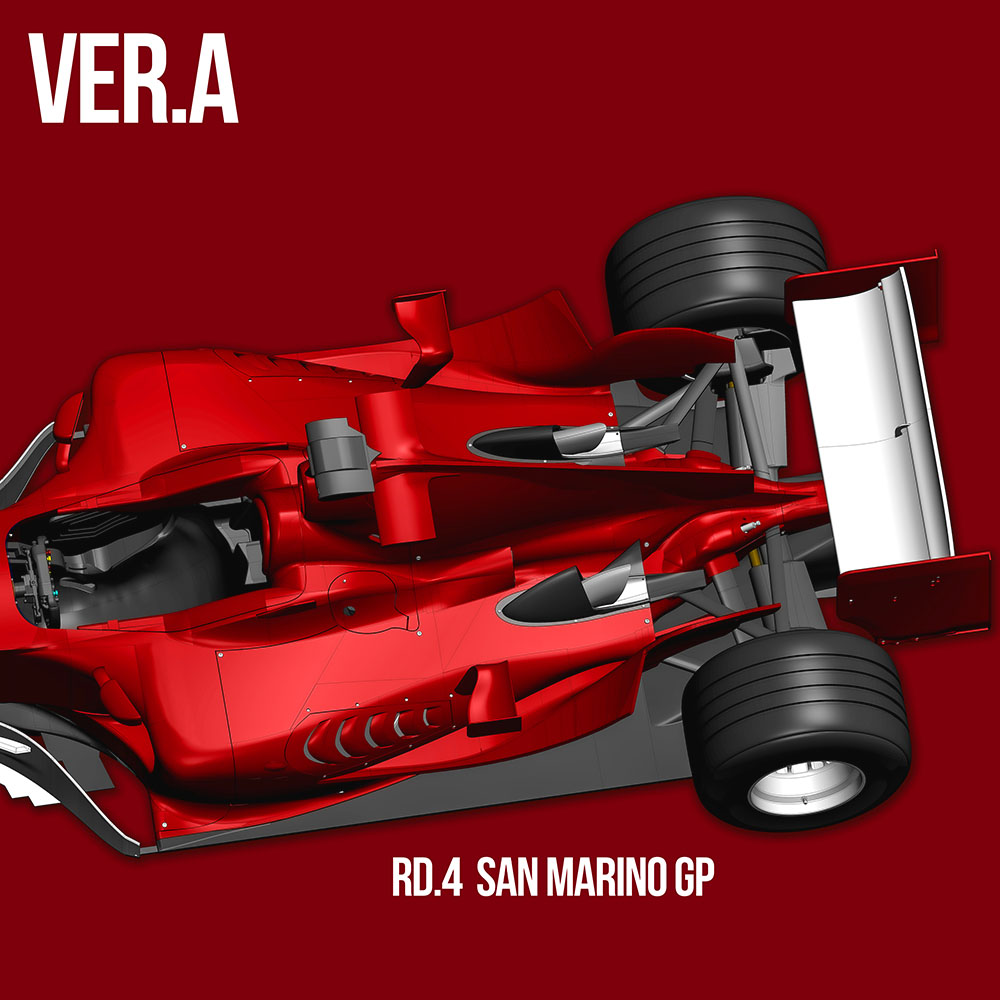
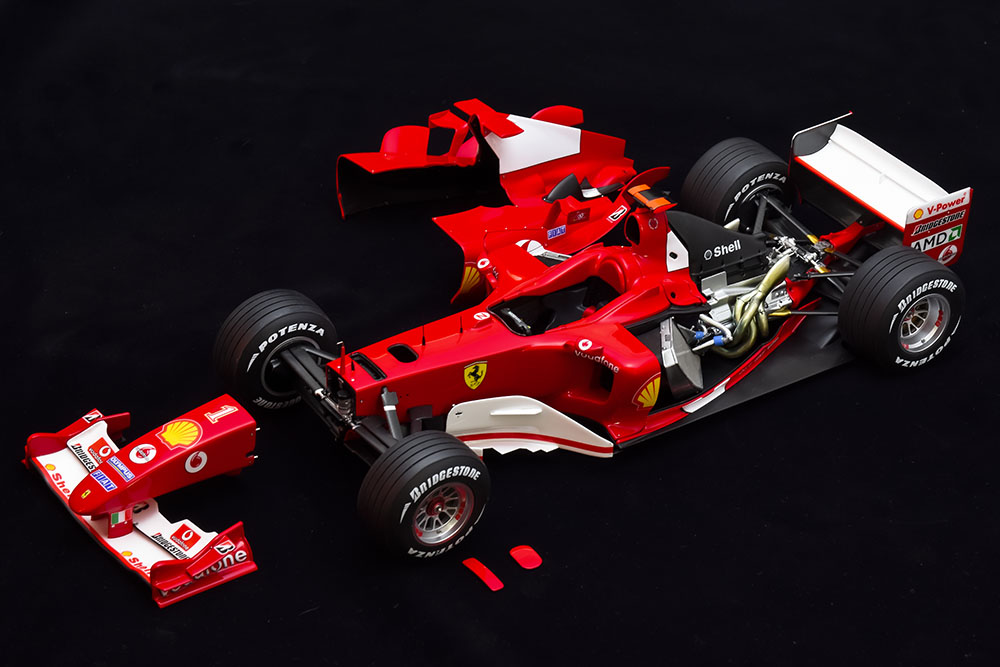
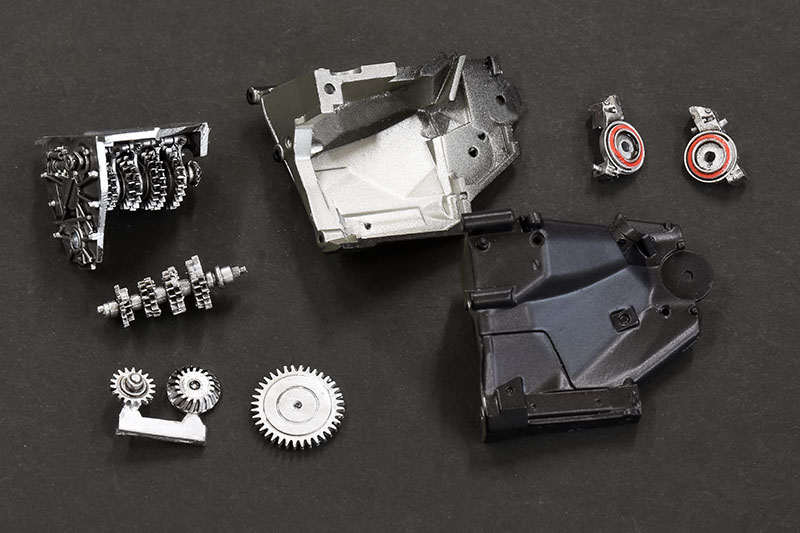
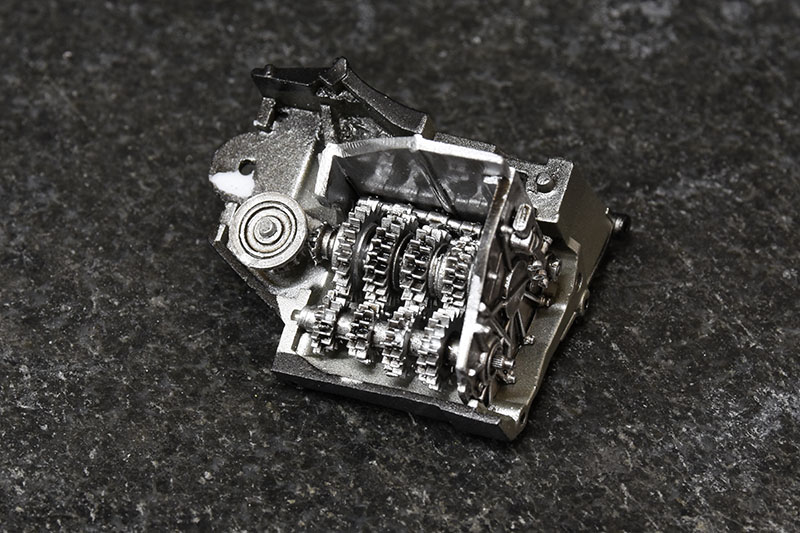
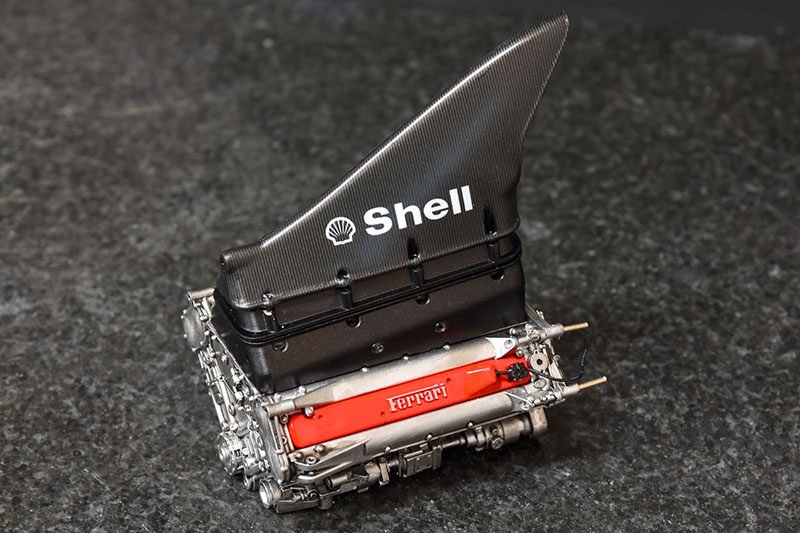
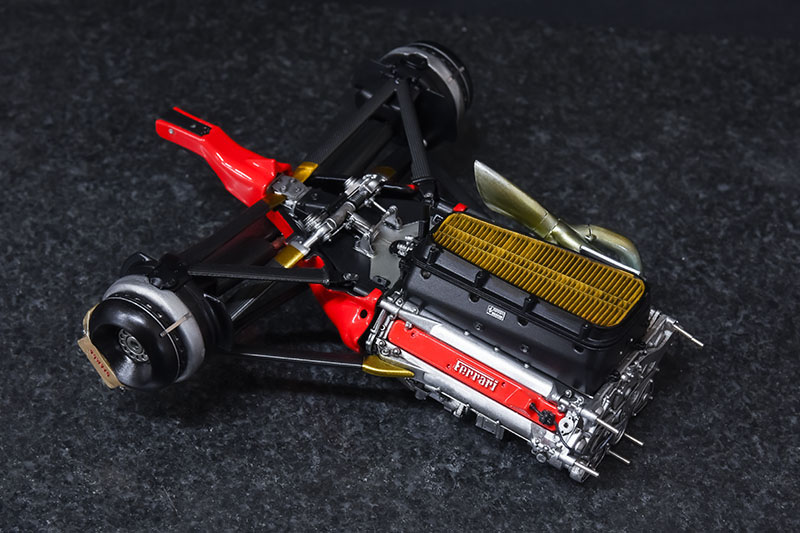
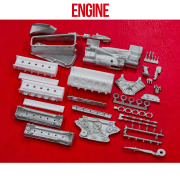
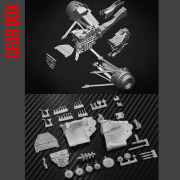
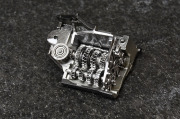
■ギアボックスとエンジンは、一部内部ディテールを再現。
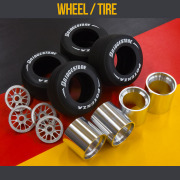
■ホイールリムはアルミ挽き物製。
■リアカウルとノーズは車体から脱着が可能。完成後も内部構造を見ることができます。
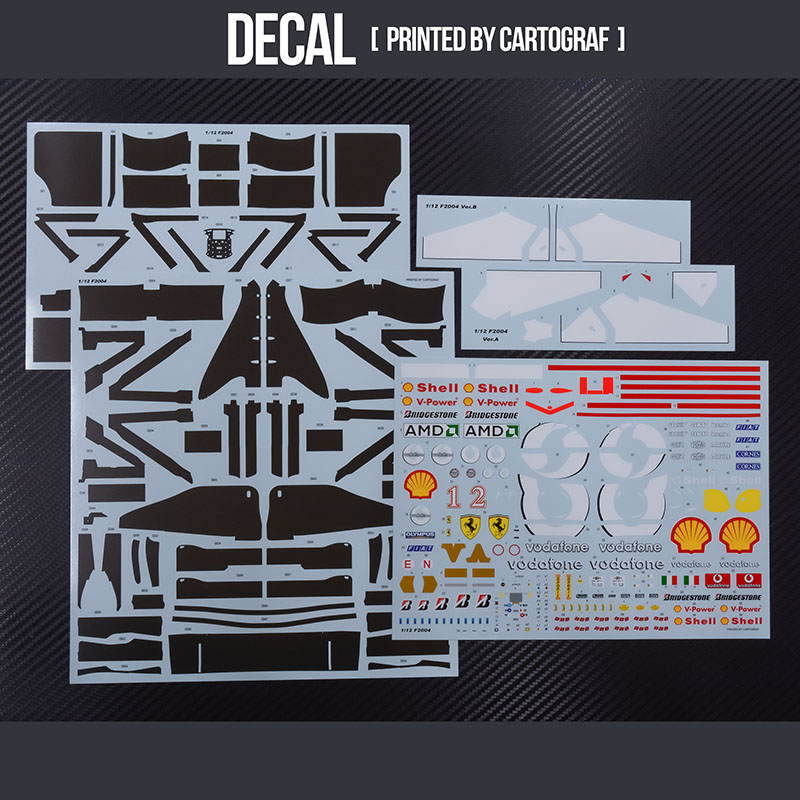
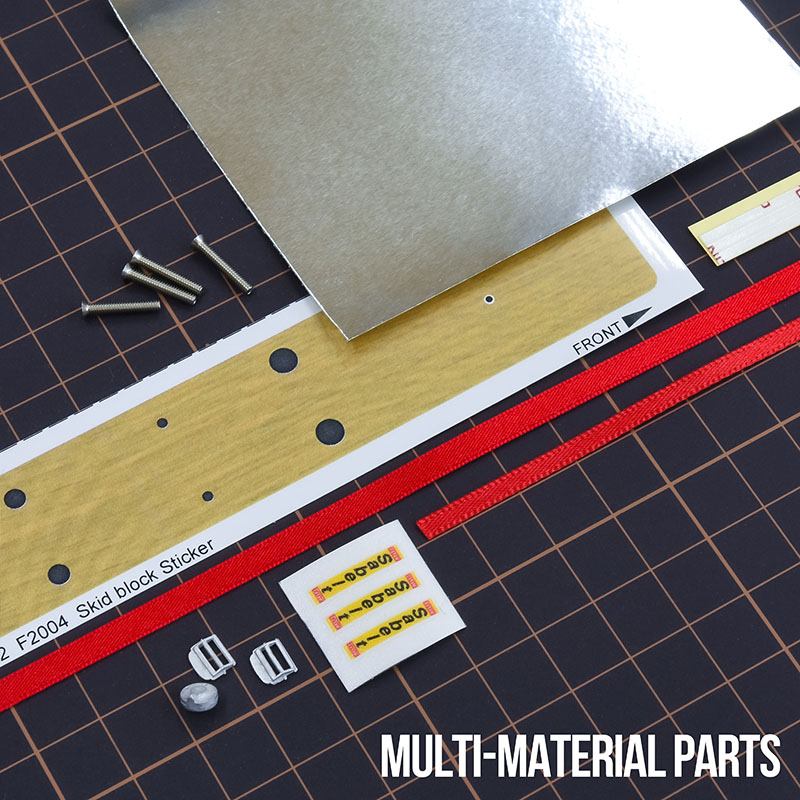
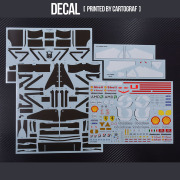
■スポンサーロゴデカールの他に、ウイング・サスアーム等に使用するカーボンデカールを同梱。デカールはカルトグラフ製。
■ゴム製タイヤはメーカーロゴ印刷済。
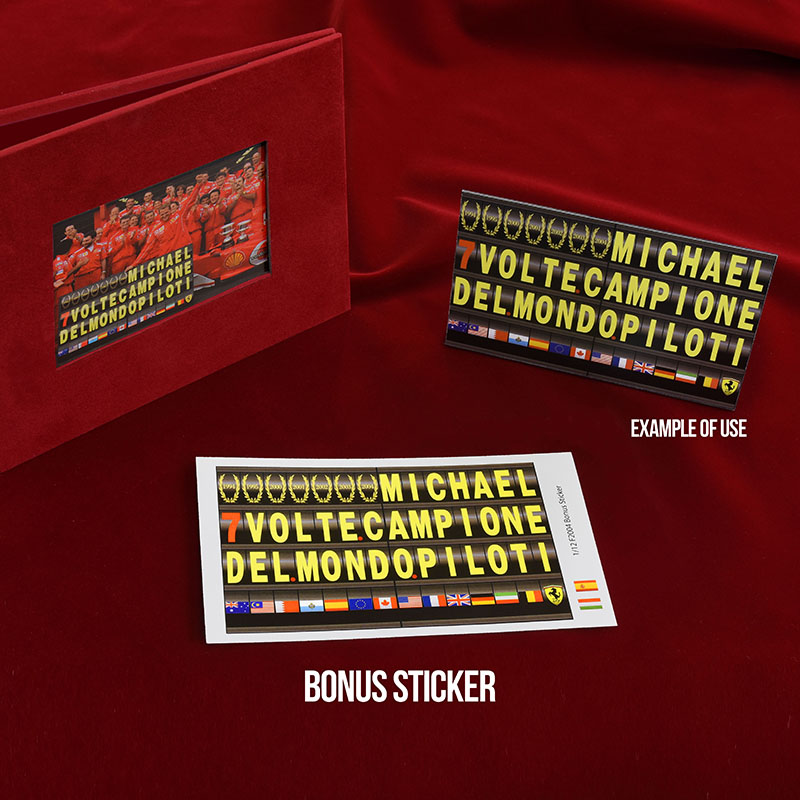
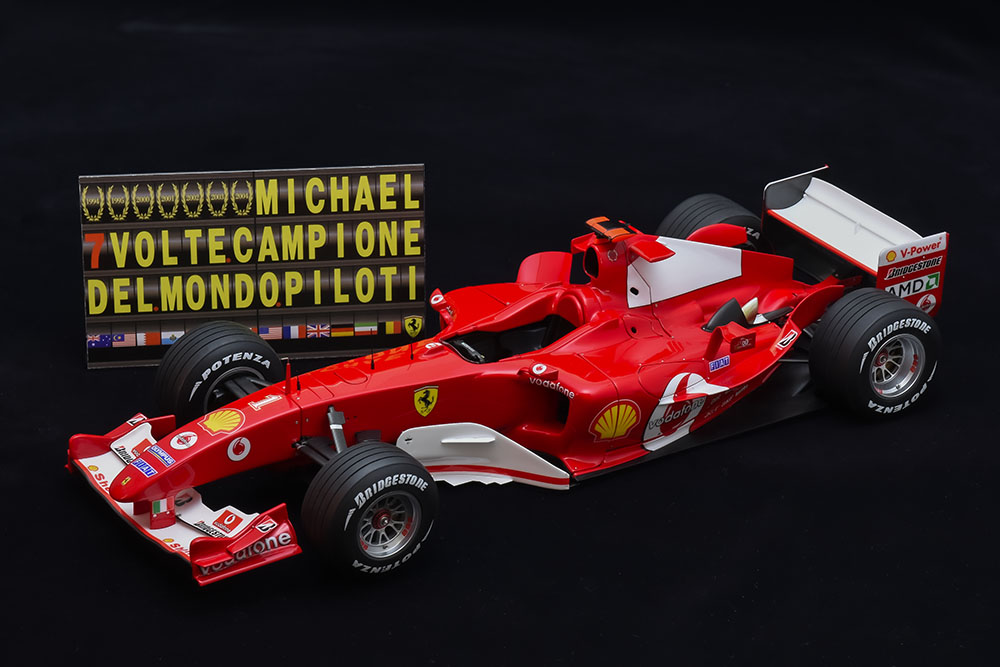
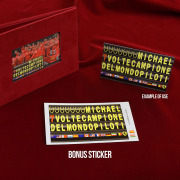
■シューマッハ7度目のチャンピオンを決めたベルギーGPでの、栄冠を祝うサインボード柄のステッカーをオマケ品として同梱。
- a full detailed, multi-material kit featuring white metal, resin, photoetch parts, turned metal parts, rubber tires, silk screen decals and various cords allowing for maximum representation of the original vehicle.
- 2 versions available – one based on the version that raced at Rd 4 San Marino GP, and one based on the version that raced at both Rd 14 Belgian GP and Rd 17 Japan GP.
- a part of interior details of gearbox and engine also included.
- aluminum turned parts used for wheel rims.
- rear cowl and nose can be removed post construction, allowing full view of the detailed interior after completion.
- on top of sponsor logos, carbon decals included for selected sections such as wings and suspension arms. Decals printed and provided by Cartograf.
- tires pre-printed with maker logo.
- a sticker of sign board used to celebrate Schumacher securing his 7th Driver's Championship title at Belgian GP included as a bonus.
 [ バリエーション -Variations- ]
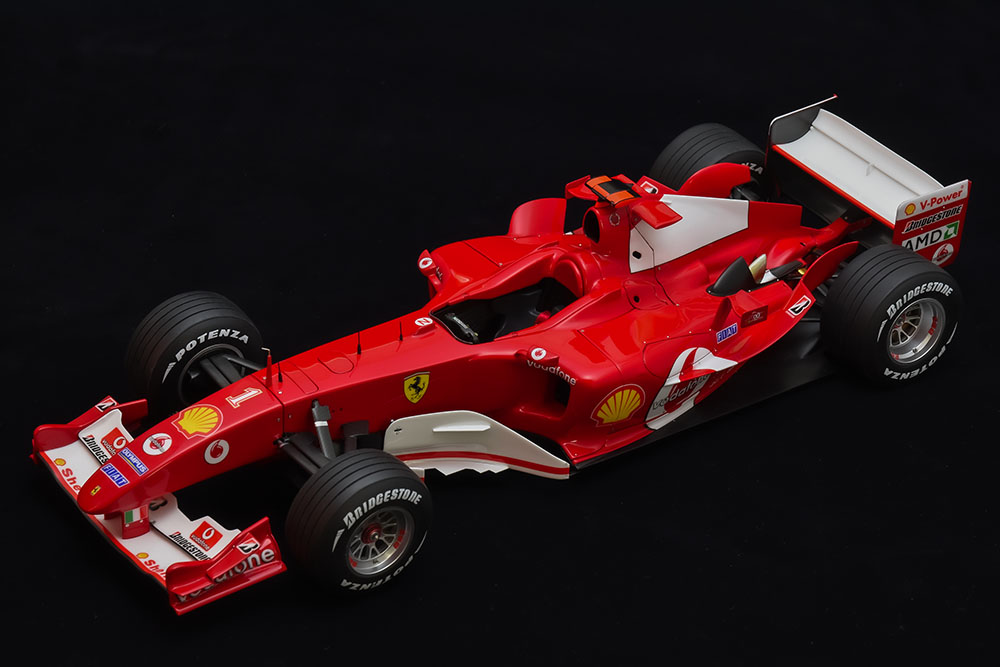
●K867 - Ver.A : 2004 Rd.4 San Marino GP
#1 Michael Schumacher / #2 Rubens Barrichello
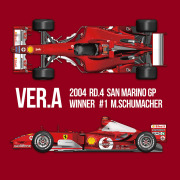
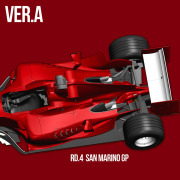
・M.シューマッハが勝利した第4戦サンマリノGP仕様をキット化。
・Ver.Bとは異なるフロント/リアウイング・バージボード・ノーズ下部、"シャークルーバー"と呼ばれるボディサイド排熱パーツを再現。
- based on the version that raced at Rd 4 San Marino GP where M.Schumacher took victory.
- includes various parts that differ from Ver. B, including front/rear wing, barge board, underside of nose, and the heat dispersion "shark louver" body side parts.
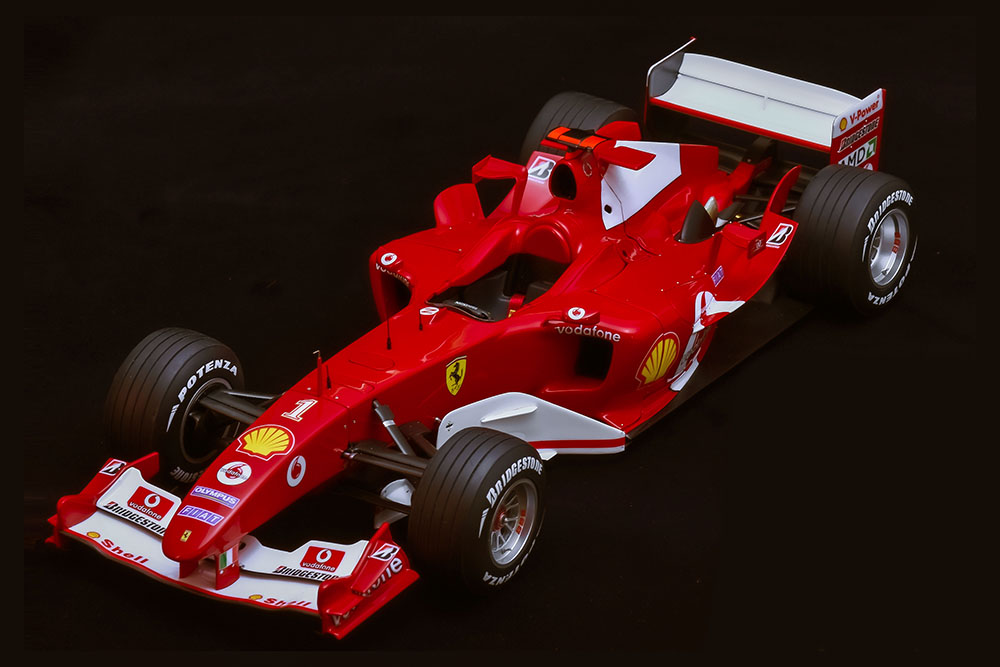
●K868 - Ver.B : 2004 Rd.14 Belgian GP / Rd.17 Japanese GP
#1 Michael Schumacher / #2 Rubens Barrichello
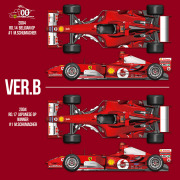
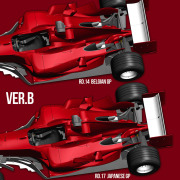
・M.シューマッハが7度目のチャンピオンを決め、またフェラーリF1参戦700戦目記念ロゴを纏ったベルギーGP仕様と、シューマッハがポール・トゥ・ウィンでシーズン13勝目を決めた日本GP仕様の選択式。
・Ver.Aとは異なるフロント/リアウイング、シーズン途中から採用されたチムニータイプのボディサイド排熱部をパーツ化。
- based on the version that raced at Rd 14 Belgian GP where M.Schumacher secured his Championship title, also featuring a special logo marking the 700th race for Ferrari. The version that raced at Rd 17 Japanese GP where Schumacher managed a pole to win for his 13th win of the season also constructable from this version.
- includes various parts that differ from Ver. A, including front/rear wing and the heat dispersion chimney body side parts used during the middle of the season and onward.
[ パーツ・リスト -Parts List- ]
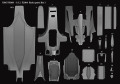
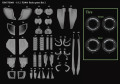
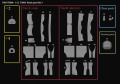
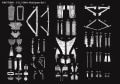
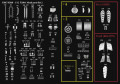
*(現在企画中ですので、発売時期・価格・仕様・構成が変更になる場合があります。 / CG画像はイメージです。必ずしもキット内容と合致するとは限りません。)
*(Product is currently still in design phase: release date/price/instructions for construction/build may be altered for official release. / Images based off CG captures may not accurately reflect that of the final product.)
[ 2026年9月発売 / September 2026 released ]
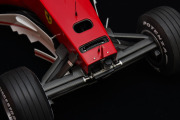
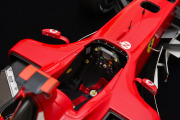
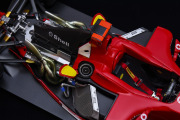
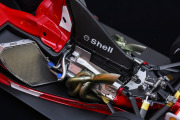
●本製品は、2026年8月発売予定です。ご予約をご希望のお客様は、下記のメールフォームにてご連絡をお願いいたします。
●ご予約数が一定数を超えた場合、初回生産分が発売前にご予約で完売になる場合がございます。その場合、次回生産までお待ちいただくことになります。この点、ご了承願います。
ご予約はこちらへ。
- this product is scheduled to be release in August 2026. To place a pre-order please use the link below to contact us using the mail form.
- if pre-orders reach a certain number this product may become out of stock before release as only a limited number will be made during the initial run. Any other pre-orders following will be covered during the next production run. We will stop taking pre-orders/orders completely should the order numbers surpass the maximum production amount.
For pre-orders, please contact us here
 2026年8月発売予定 August 2026
Price : \135,000- (+tax)
[ 917 Long Tail '69について -About the 917 Long Tail '69- ]
1953年に始まった耐久レースの世界選手権、スポーツカー世界選手権(SWC : Sportscar World Championship)は、1966年に国際スポーツカー選手権(International Championship for Sports Cars)が併催されるようになり、プロトタイプカーの参戦が可能となりました。ポルシェの技術陣を率いるフェルディナント・ピエヒは、このカテゴリーへの参戦を決断し、ポルシェ初のプロトタイプカーである906(Carrera 6)を1966年に開発します。
空冷水平対向6気筒エンジンを搭載した906は、その後910(Carrera 10)、907、そして大排気量化された908へと進化を続け、レースの舞台を戦い抜きました。しかし908はGT40との熾烈なライバル争いに敗れ、タイトルはフォードの手に渡ります。
1968年の夏、ピエヒ率いる技術陣は巻き返しを図るべく、新たなマシンの開発に着手します。908をベースにエンジン排気量を拡大し、新開発されたエンジンは空冷4,494cc水平対向12気筒となりました。これをアルミチューブラー軽量フレームの車体に搭載し、FRP製ボディ後部にはサスペンション連動式の可変フラップを装備。そして、レース参戦を計画していた1969年シーズン開幕前の春にホモロゲーション審査を通過するという、まさにぎりぎりのスケジュールのなかで完成します。ジュネーブモーターショーでその姿を現したこのニューマシンは、"917"と命名されました。
917は春先のル・マン・テストデイでトップタイムを叩き出し、その実力を周囲に見せつけました。しかし、安定性と熟成がまだ発展途上であったため、1969年シーズンのスパ1,000km、ニュルブルクリンク1,000km、そしてル・マン24時間では満足な成績を残すことができませんでした。それでも917は、シーズン最終戦であるオーストリア1,000kmで初優勝を飾ります。この勝利は、917栄光の歴史、その第一歩となりました。
1970年以降、917は917Kへと進化し、917LHとともに活躍。各レースを席巻していきます。さらに1972年以降は北米Can-Amシリーズへ戦いの場を移し、917/10、917/30として数々の勝利を重ね、その圧倒的な速さを示しました。
1969年の917は、その後の917K、936、956、962へと連なる常勝の系譜の礎を築いた、レース史的に極めて重要なレーシングカーであったと言えるでしょう。まさにそれは、ポルシェ栄光の時代の扉を開いた一台でした。
The Sportscar World Championship, a world endurance racing series that began in 1953, combined with the International Championship for Sports Cars series in 1966, allowing for prototype cars to compete in the series. In the same year, Ferdinand Piëch, head of the Porsche engineering team at the time, decided to enter the category and went to develop Porsche's first prototype car - the 906 (Carrera 6). The 906, powered by an air-cooled flat-six engine, would eventually be upgraded to the 910 (Carrera 10), 907 and subsequently the 908 which had an increased displacement. However, the 908 was no match for the rivaling GT40, and the championship title went to Ford instead.
In order to turn the tide, Piëch's engineering team set off to design a new machine during the summer of 1968. Using the 908 as a base, a new air cooled 4,494cc flat-12 engine was developed, and sat upon a lightweight aluminum tubular frame. The rear wing flaps were connected to a series of suspensions at the rear of the FRP based car body, allowing the wings to be movable. The car was completed on a tight schedule in order to enter and pass the homologation testing during spring of the 1969 season. Unveiled at the Geneva Motor Show, the new machine was named the “917”.
The 917 displayed its capabilities and set the fastest time at Le Mans during its debut year, but due to stability issues it was unable to leave any results at Spa 1000km, Nürburgring 1000km nor Le Mans during the 1969 season. However it managed to take its first victory at the season finale Austria 1000km, setting the starting line of success for the 917 series. In 1970 the 917 would evolve into the 917K and 917LH, with both would dominate the racing scene. In 1972 the focus switched to the North American Can-Am series and various victories were achieved using the 917/10 and 917/30 variants.
Porsche would continue to show dominance with the 917K, 936, 956, 962 and continuing models in the following years, but perhaps none would have been possible without the 917 building the foundation first in 1969.
[ キット概要 -Kit Details- ]
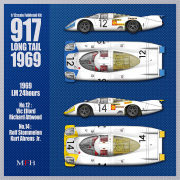
■1969年にデビューした917、その中でもその年のル・マン24時間に参戦したしたロングテイルバージョンの、ブルーカラーの12番車 ( V.Elford / R.Attwood )、イエローカラーの14号車(R.Stommelen / K.Ahrens Jr.)をモデル化しました。
■ホワイトメタル、ウレタン樹脂、金属挽き物、エッチングパーツ、ゴムタイヤ、シルクスクリーン印刷デカール、各種コード類を使用したマルチ・マテリアル・キット。
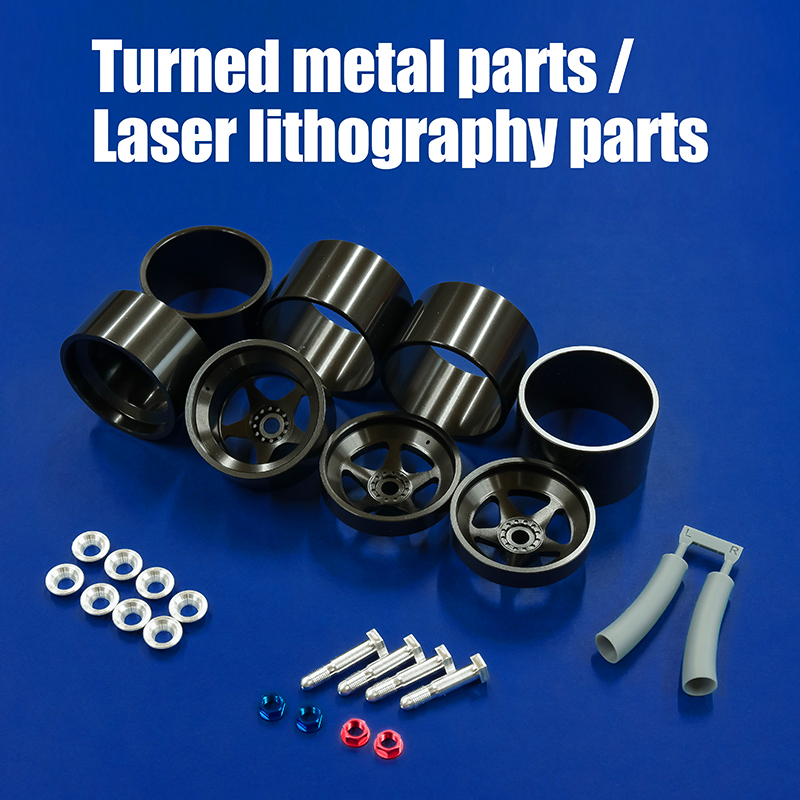
■ホイール、ヘッドライトリム、ホイールシャフト/ナット、前後ダンパーはアルミ挽き物製。
■リアカウルとドアは開閉可能で完成後も内部構造を見ることができます。
■ゴム製タイヤはメーカーロゴ印刷済み。
- based on the 917 that debuted in 1969, specifically the two long tail versions used in the 24 hours of Le Mans – the blue coloured car #12 (V.Elford / R.Attwood) and the yellow coloured car #14 (R.Stommelen / K.Ahrens Jr.)
- a full detailed, multi-material kit featuring white metal, resin, etched parts, turned metal parts, rubber tires, silk screen decals and various cords allowing for maximum representation of the original vehicle.
- aluminum turned parts used for wheel, headlight rims, front and rear damper shafts, wheel shafts and lock nuts.
- rear cowl and doors can open and close post construction, allowing full view of the detailed interior after completion.
- tires come pre-printed with maker logo.


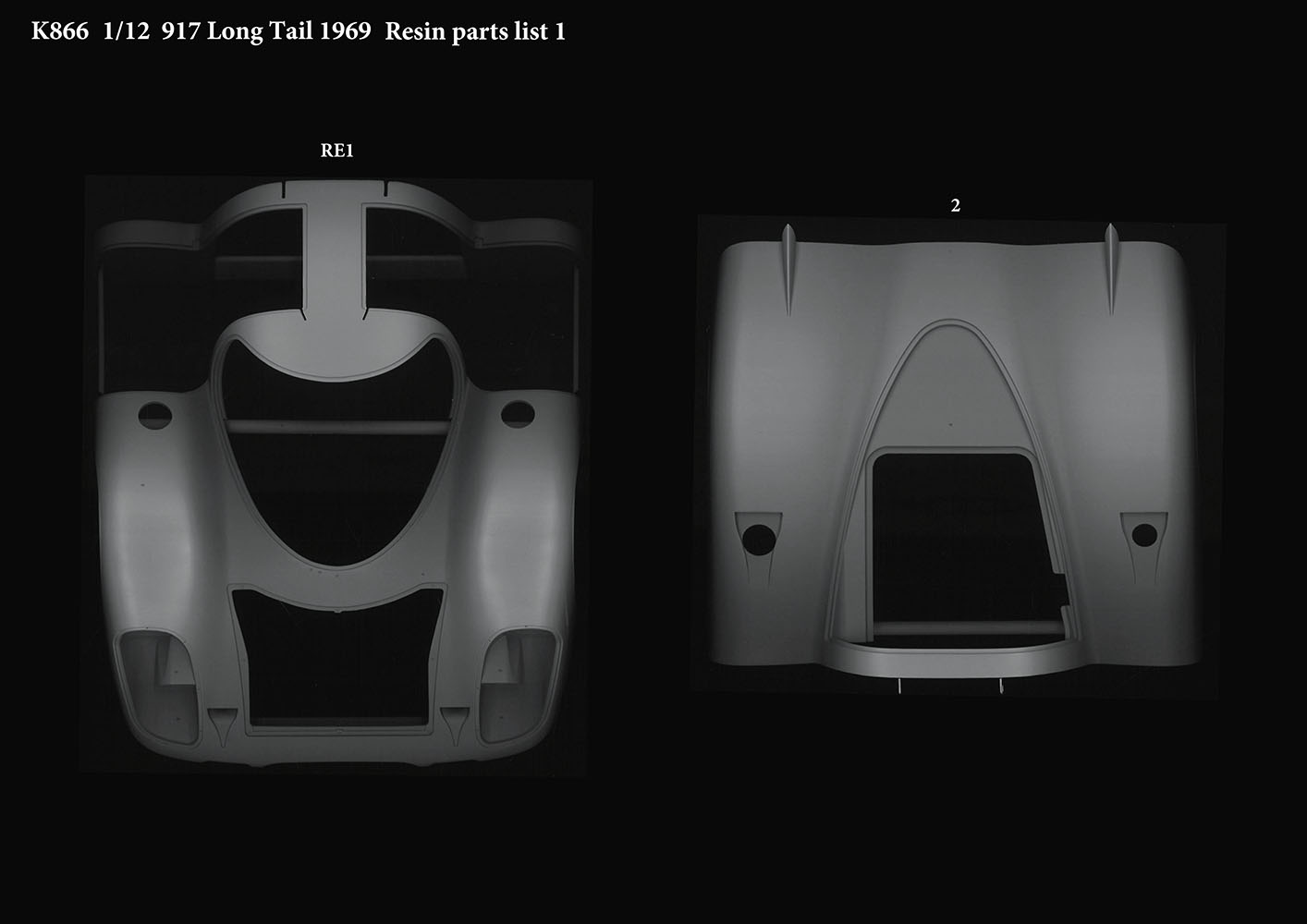
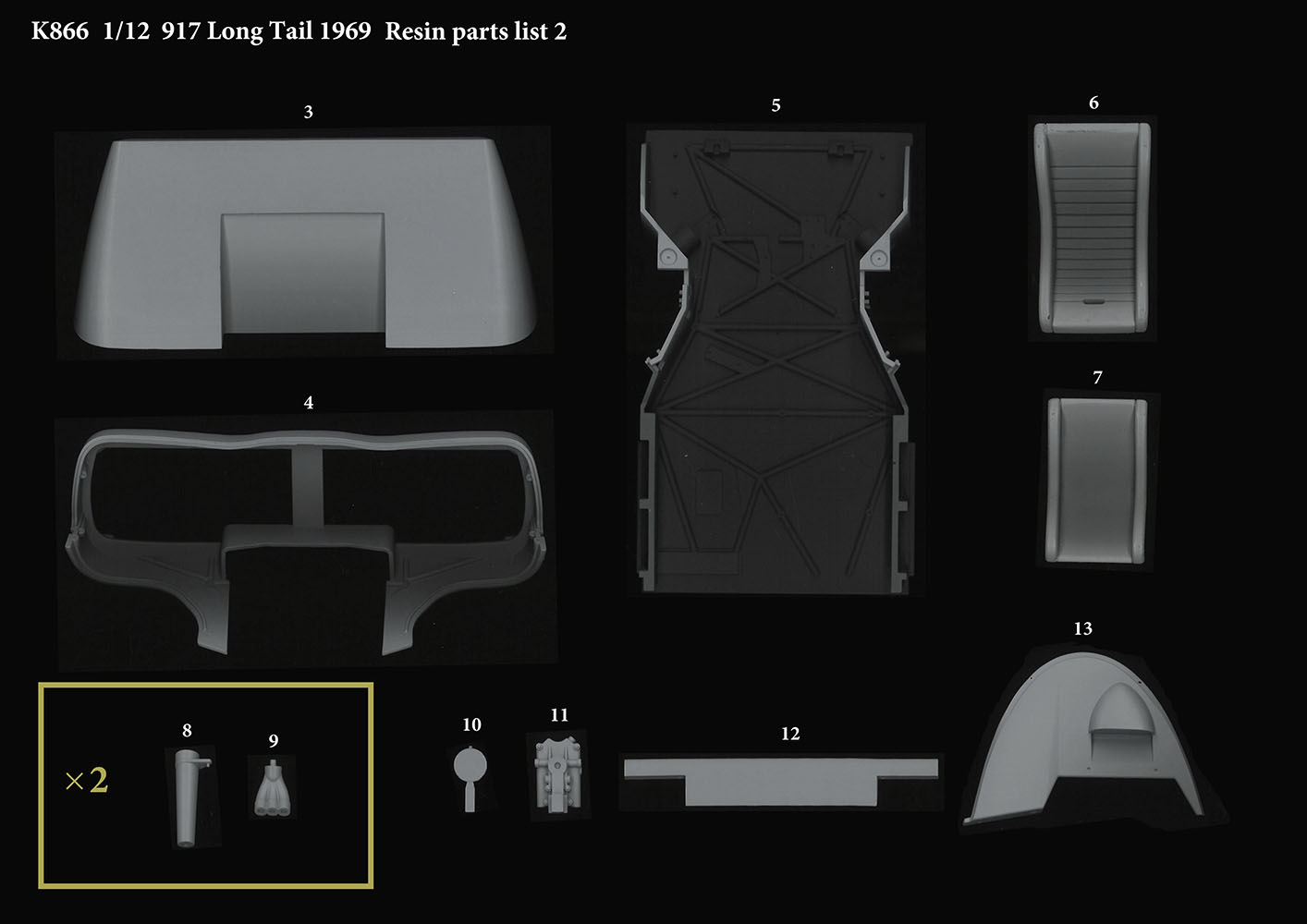
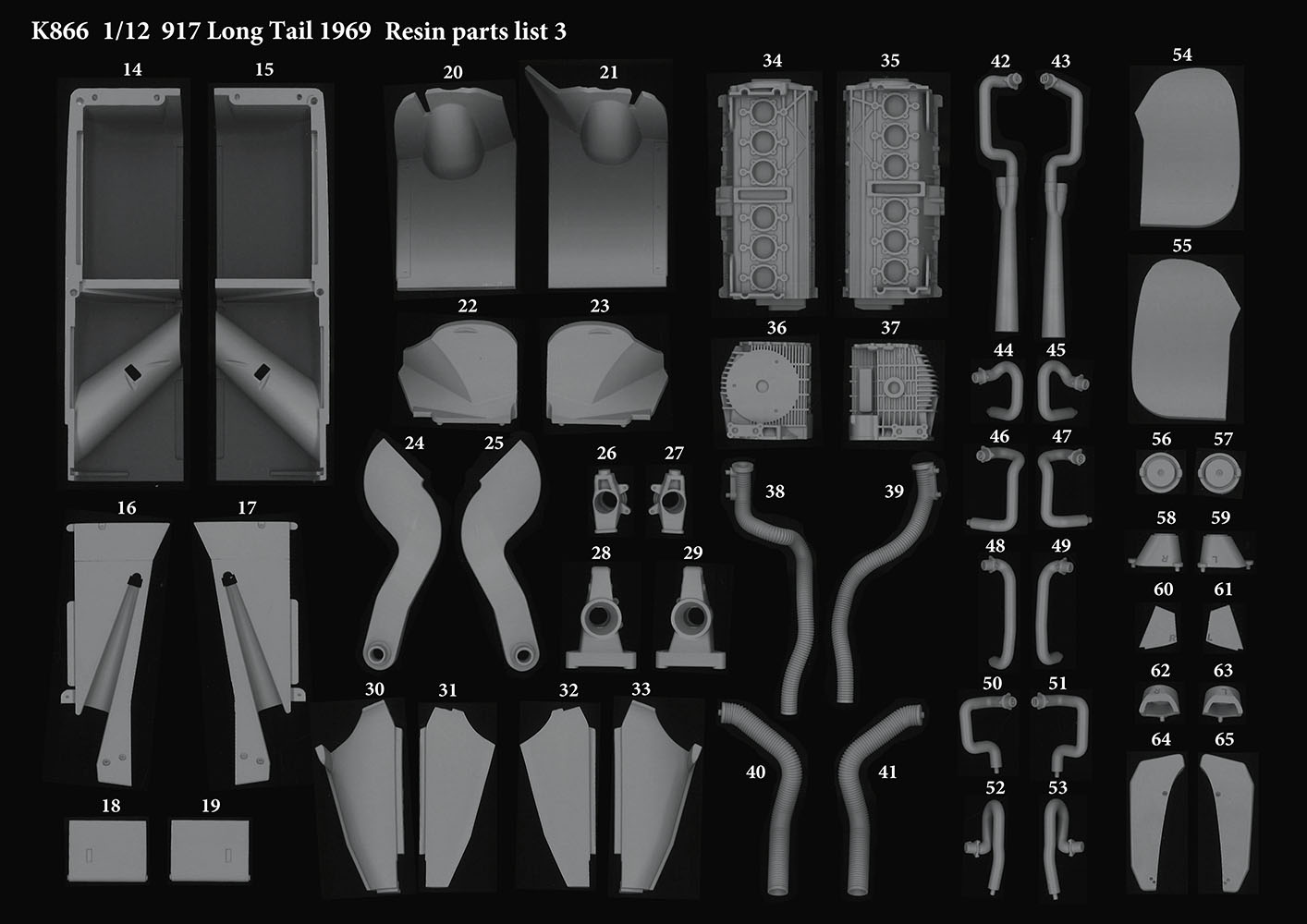
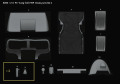
 [ パーツ・リスト -Parts List- ] 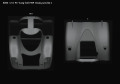
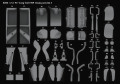
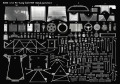
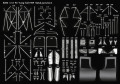
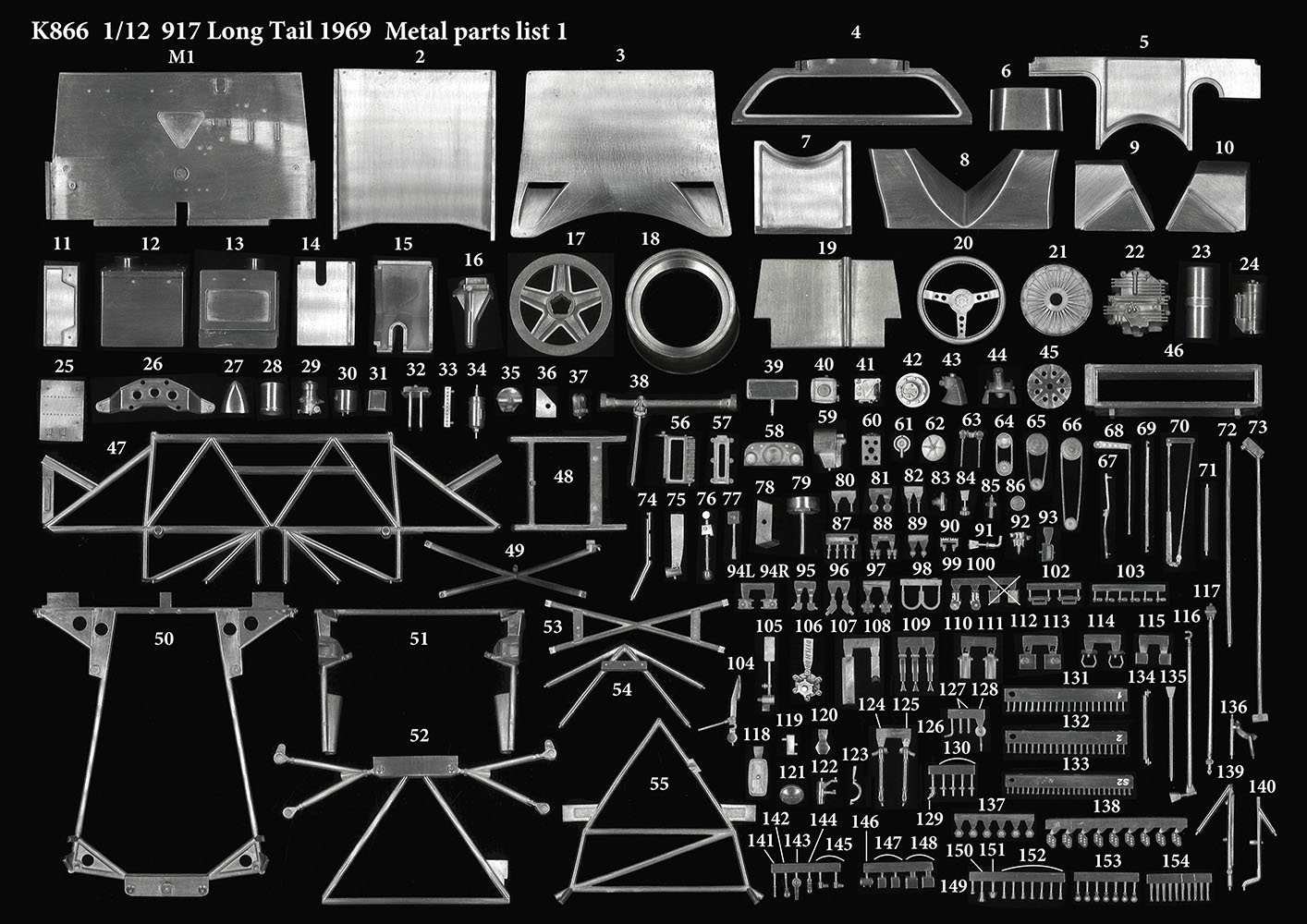
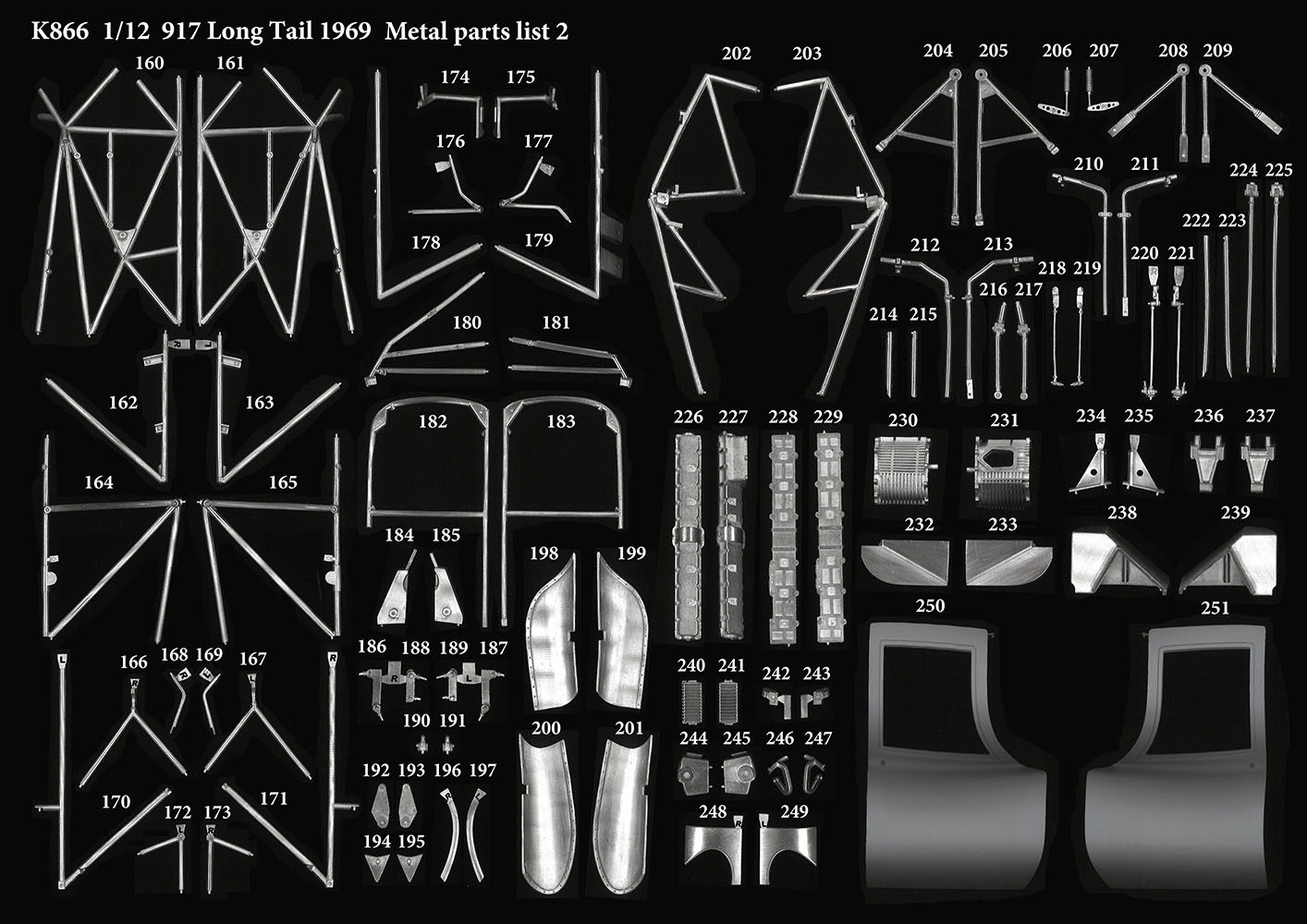
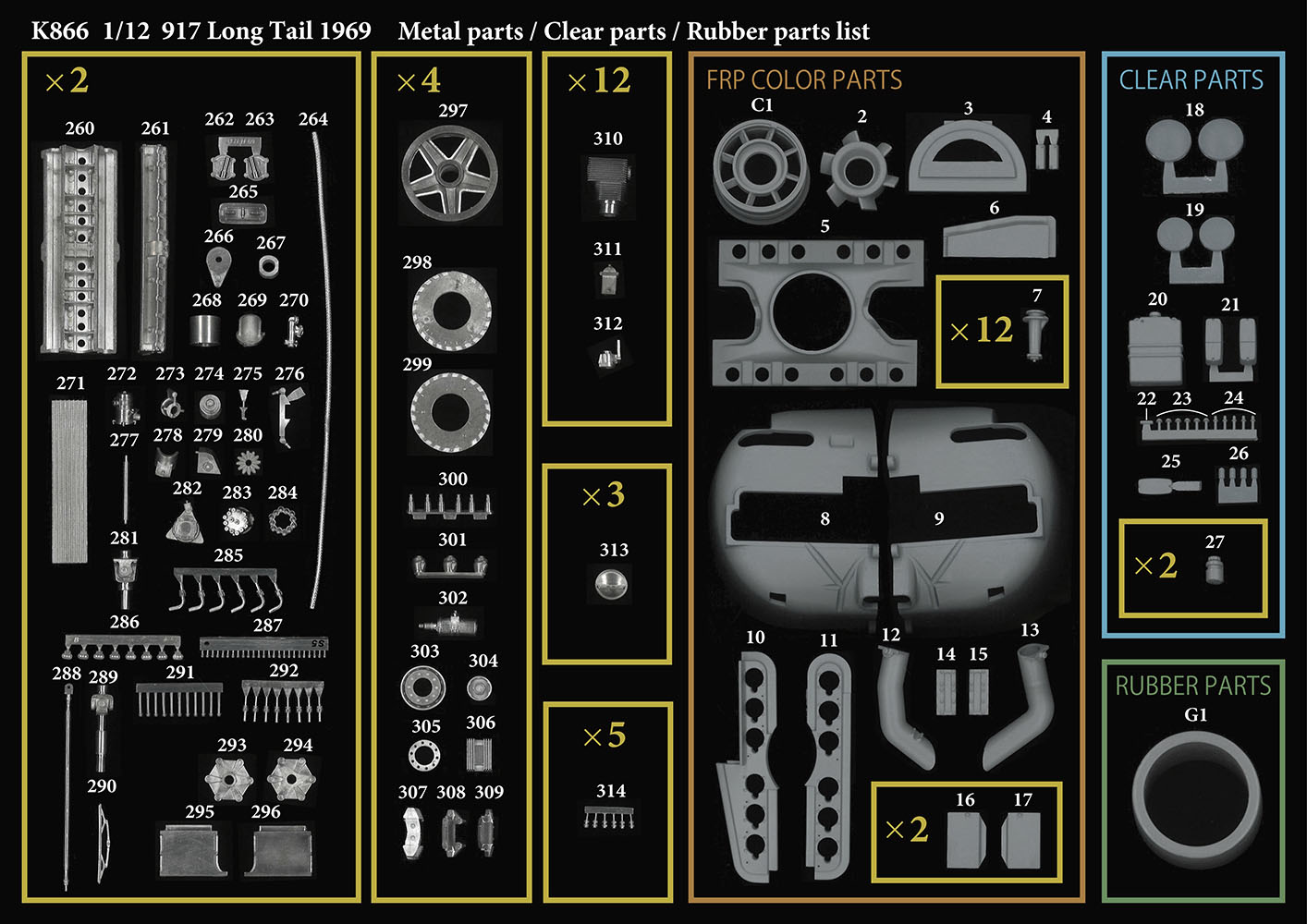
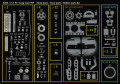 ●K866 - 1/12scale Fulldetail Kit : 917 Long Tail '69
1969 LM 24hours
#12 V.Elford/R.Attwood / #14 R.Stommelen/K.Ahrens Jr.
*(現在企画中ですので、発売時期・価格・仕様・構成が変更になる場合があります。 / CG画像はイメージです。必ずしもキット内容と合致するとは限りません。)
*(Product is currently still in design phase: release date/price/instructions for construction/build may be altered for official release. / Images based off CG captures may not accurately reflect that of the final product.)
[ 2026年8月発売 / August 2026 released ]


●本製品は、2026年5月発売予定です。ご予約をご希望のお客様は、下記のメールフォームにてご連絡をお願いいたします。
●ご予約数が一定数を超えた場合、初回生産分が発売前にご予約で完売になる場合がございます。その場合、次回生産までお待ちいただくことになります。この点、ご了承願います。
ご予約はこちらへ。
- this product is scheduled to be release in May 2026. To place a pre-order please use the link below to contact us using the mail form.
- if pre-orders reach a certain number this product may become out of stock before release as only a limited number will be made during the initial run. Any other pre-orders following will be covered during the next production run. We will stop taking pre-orders/orders completely should the order numbers surpass the maximum production amount.
For pre-orders, please contact us here
 2026年5月発売予定 May 2026
Price : \93,000- (+tax)
[ Tyrrell 019について -About the Tyrrell 019- ]

サーキットの路面にどれだけ距離を詰められるか。それがF1マシンの主たる議題の時代が長く続きました。より低く。それによって強く路面に押し付ける力、ダウンフォースを得るために-。
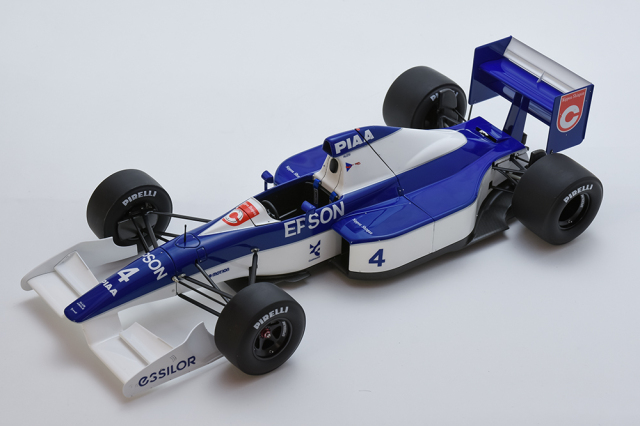
Tyrrell 019。その登場は、F1マシンの進化史において、ウイングの登場、グランドエフェクトの利用といった空力面の発明に並ぶ、革新的マシンとしてその名を残すことになるのです。
低く低く、が常識だった1980年代F1フラットボトム規制時代において、マシン前部を持ち上げて高速の気流を下部へ導くことによるダウンフォースの発生、そのことをマシンデザイナーたちは気づきはじめていました。その先鞭としては、ロリー・バーンによる80年代前半のトールマンでの様々なトライ、そしてF3000のいくつかのマシンでの実験的採用、さらに88年、エイドリアン・ニューウェイの手による、わずかに路面から距離を取り始めたノーズを持つ、March 881の登場が挙げられます。それらは、まさに空力革命の胎動といえるものでした。
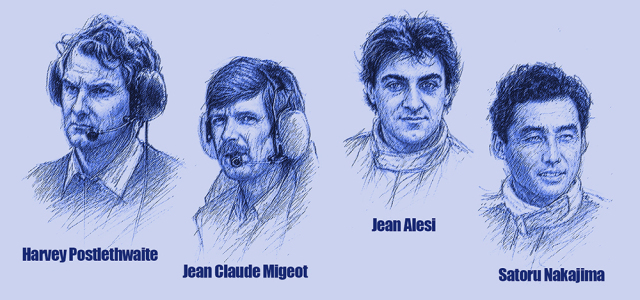
チーム・ティレルのチーフデザイナーのハーベイ・ポスルスウェイトと空力デザイナーのジャン=クロード・ミジョーは、オーナーのケン・ティレルの指揮の元、この考えを具現化します。それは、F1開発史に新たな1ページが書き加えられた瞬間でした。
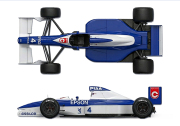
1990年、グランプリに登場したTyrrell 019は、高く持ち上げられたノーズ、その左右には下反角の翼 "アンヘドラルウイング"を持つ、誰も見たことのないシルエットを持つマシンでした。重力を拒むかのように高く掲げられたノーズとフロントウイングは、いうならば風という流体を切り裂くのではなく、整流という旋律へと変換する役目を担うものでした。
019は空力面の革新だけでなく、先代マシンである018から採用された左右でショックアブソ-バーとスプリングを共有する”モノショック”をフロントサスペンションに採用。エンジンはフォードDFVの進化型であるDFRを搭載していましたが、そのパワー不足を補うシャシーの性能から、マクラーレンやフェラーリ、ベネトンやウィリアムズといったライバル勢に肉薄する完成度を持っていました。
しかし、この"異形"のマシン019には、そこに生命を吹き込む最後のピースが必要でした。それが、若く荒削りだが速さに対しての強い渇望を秘めた新鋭、ジャン・アレジでした。
019を駆って上位陣に食い込む走りを見せたアレジは、モナコGPで2位に入り、一躍期待の新星として注目を集める存在になります。また、中嶋悟は、このマシンのシェイクダウン前から精力的にテストをこなし、マシンの完成度を上げるのに貢献、レースではイタリアGPと地元日本GPで6位に入る活躍を見せました。
019は、勝利という到達点には届きませんでしたが、F1マシン設計思想の系譜における分岐点となりました。それは、翌年以降ハイノーズが多くのチームに採用され、現代でもF1デザインのトレンドとして残り続けていることが証明しているのです。
Bringing the car down as close to the circuit track has always been the main topic of interest in Formula 1 - the closer the car runs to the ground a stronger downforce would be generated. The Tyrrell 019 was a machine that brought advancement to the development of aerodynamics to take advantage of such ground effects.
In the 1980s, due to regulations of flat bottom cars, designers realized that downforce could be achieved by lifting the front of the car to generate a high speed airflow through the base of the car. Various pioneers lead the development to take advantage of such aerodynamics: Designer Rory Byrne ran various trials during his time with Toleman motorsports in the early 80s, and various machine designs were tested in F3000. Adrian Newey would design the March 881 in 1988, which had a nose that was only slight off the ground. Under the direction of team owner Ken Tyrrell, chief designer Harvey Postlethwaite and aerodynamics designer Jean-Claude Migeot, Team Tyrrell would further advance the aerodynamics revolution with their new F1 car for the 1990 season.
The Tyrrell 019 debuted in 1990 with a design form never seen until then - a high nose and anhedral front wing design. With a high nose and wing places far from the ground, it acted to redirect airflow instead of cutting through it. The front suspension used a “mono shock” carried over from the previous 018, in which a single spring shock absorber is shared between both suspension arms. The engine was a Ford DFR engine, an evolution of the DFV. It was not the strongest engine at the time, and even paired with a revolutionary chassis the car preformed one step behind the other rival teams of McLaren, Ferrari, Benetton and Williams.
The final piece needed to breath life into such an unconventional machine was the talented newcomer Jean Alesi. Under his hands the 019 was able to go head to head against the competition and even managed to finish 2nd place during the Monaco GP, drawing attention to the young driver at the time. His teammate Nakajima Satoru also contributed to the machine's refinement during tests before the shakedown, and also managed to take 6th place with the car at both the Italian GP and his home race at Japanese GP.
While the 019 wasn't the forerunner on the track, it was one in regards to design philosophy for F1. The influence would be hard to ignore, as many teams would implement the design for the following year, and the design still continues to be a trend in F1 till this day.
[ キット概要 -Kit Details- ]
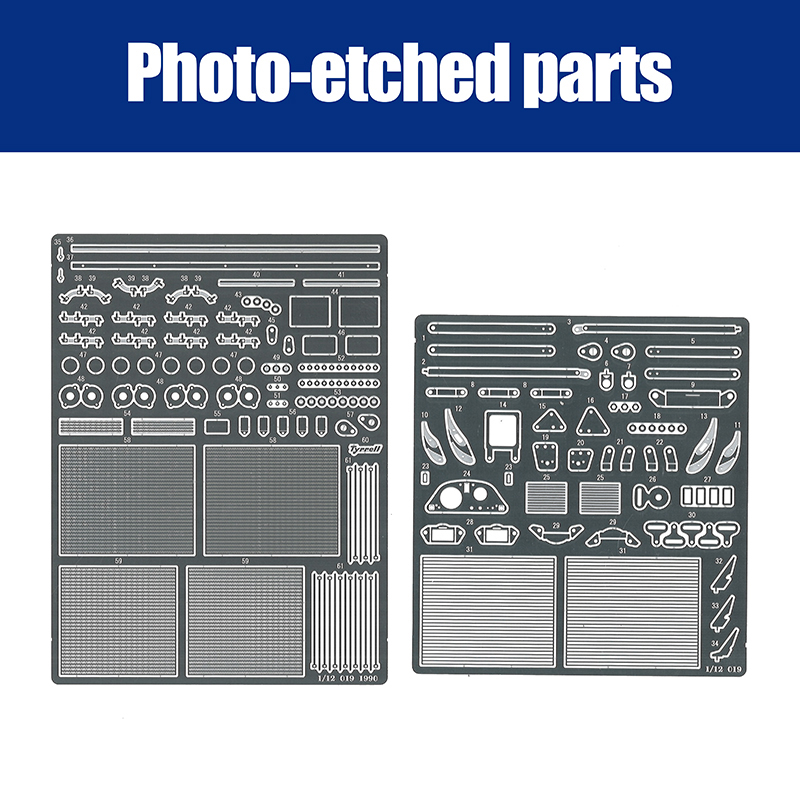
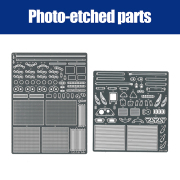
■レジン、ホワイトメタル、エッチング、シルクスクリーン印刷デカール、ゴムパーツ、アルミ挽き物、各種コード類等をふんだんに使用したマルチマテリアル・キットです。
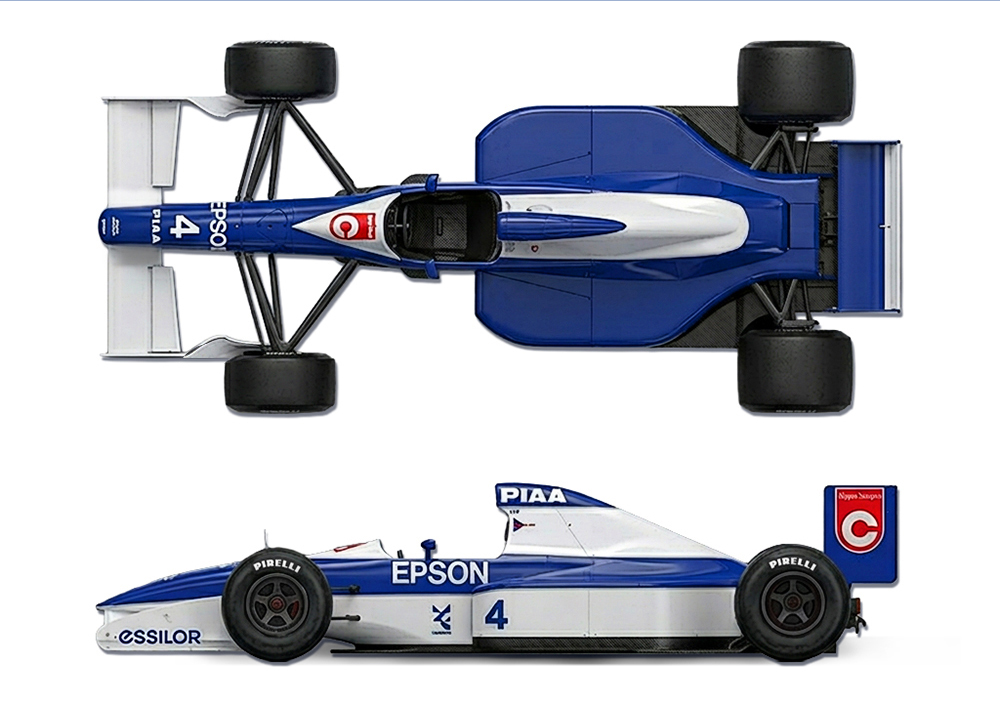
■J.アレジが2位表彰台を獲得した1990年モナコGP仕様と、中嶋悟が地元日本で6位入賞を果たした日本GP仕様の選択式。
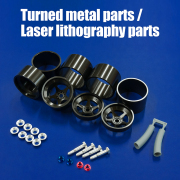
■ホイールとホイールロックナットはアルミ挽き物製でアルマイトカラー加工済。他にもエンジンファンネル、ホイールシャフトもアルミ挽き物製。
■各種パイピング、チューブ等、マルチマテリアルでパーツ化し、リアルさを追求しました。
■ボディカウルとノーズは車体から脱着が可能。完成後も内部構造を見ることができます。
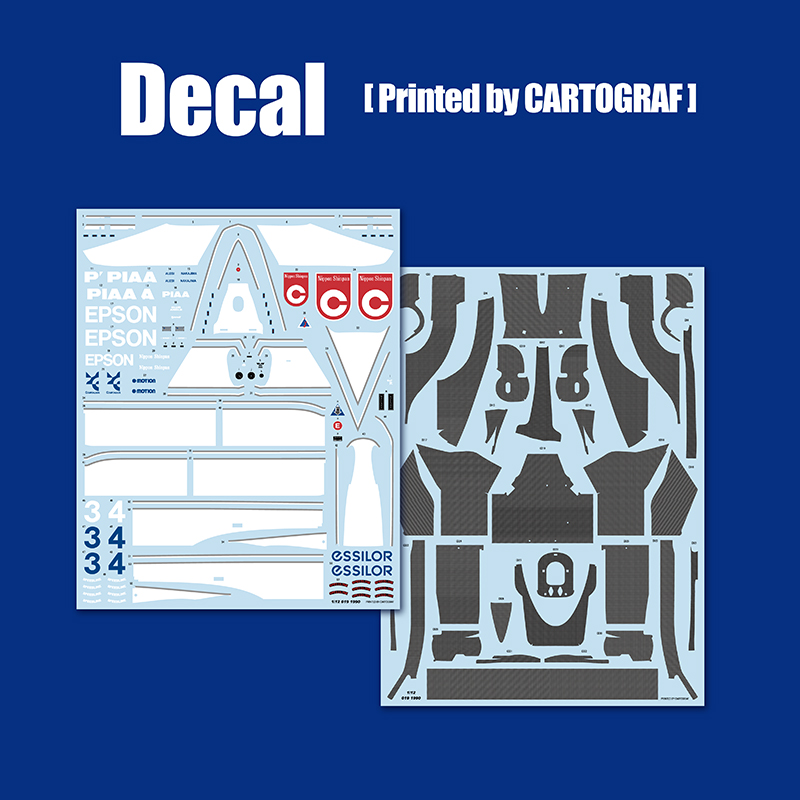
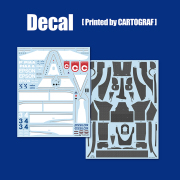
■スポンサーロゴデカールの他に、ウイング・モノコック等に使用するカーボンデカールを同梱。デカールはカルトグラフ製。
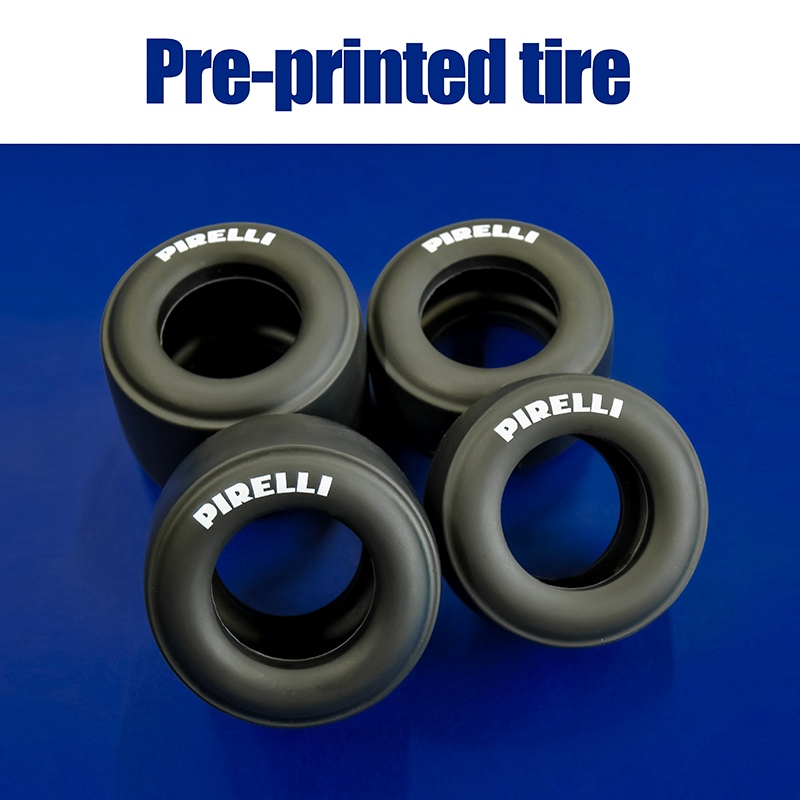
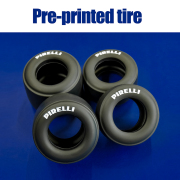
■ゴム製タイヤはメーカーロゴ印刷済。
- a full detailed, multi-material kit featuring white metal, resin, etching, turned parts, rubber tires, silk screen decals and various cords allowing for maximum representation of the original vehicle.
- Choose between the 1990 Monaco Grand Prix specification, where J. Alesi finished second place, and the 1990 Japanese Grand Prix specification, where S. Nakajima finished sixth on his home circuit.
- aluminum turned wheels and lock nut come dyed in color by anodizing. Other aluminum turned parts include engine funnel and wheel shaft.
- body cowl and nose can be removed after completion, allowing for full view of the detailed interior.
- decals mainly provided by Cartograf, including sponsor logos and carbon fiber patterns for areas around wing/monocoque.
- tires from pre-printed with maker logo.
 [ パーツ・リスト -Parts List- ] 
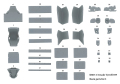
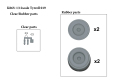
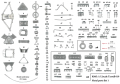
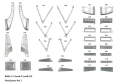
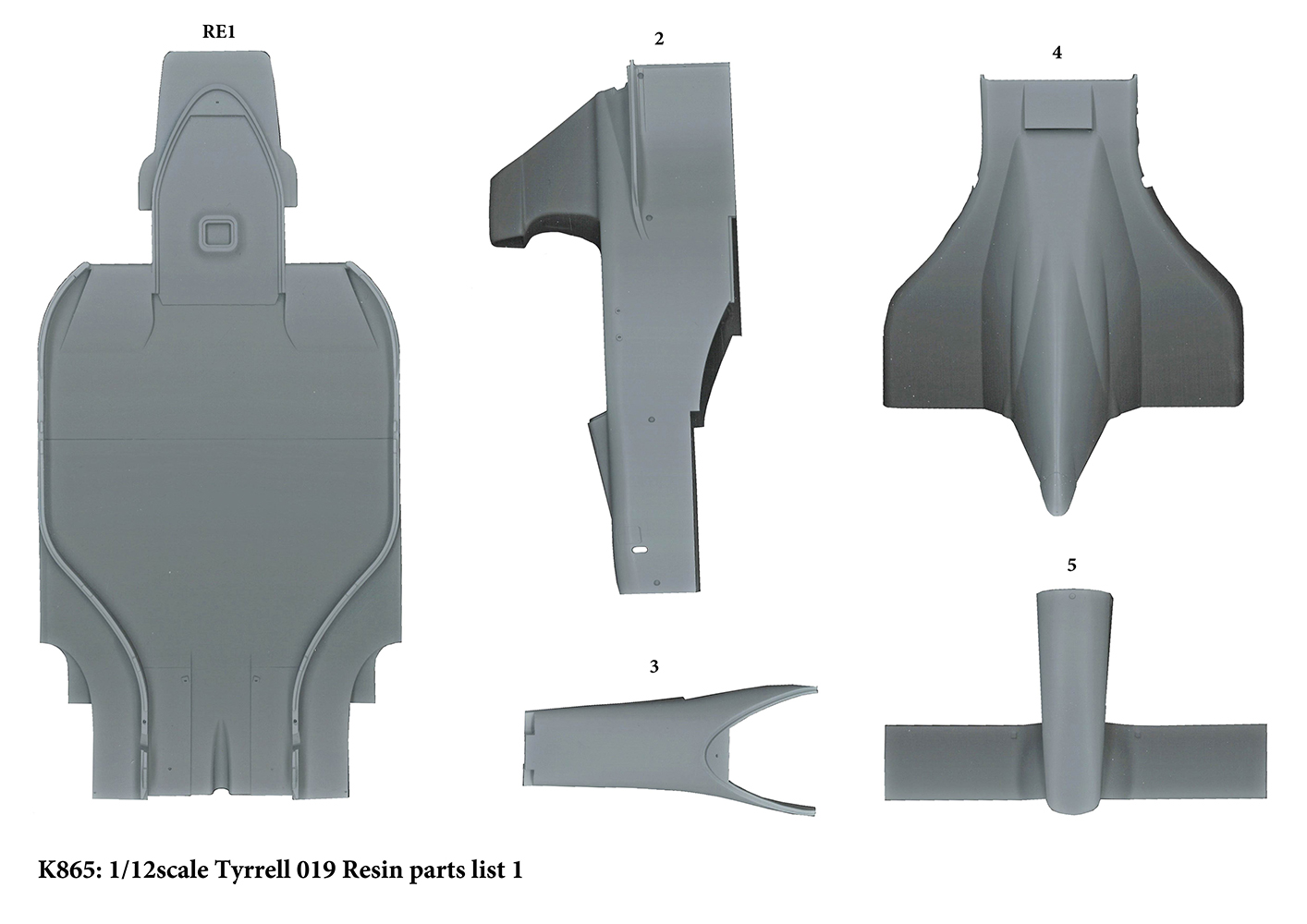
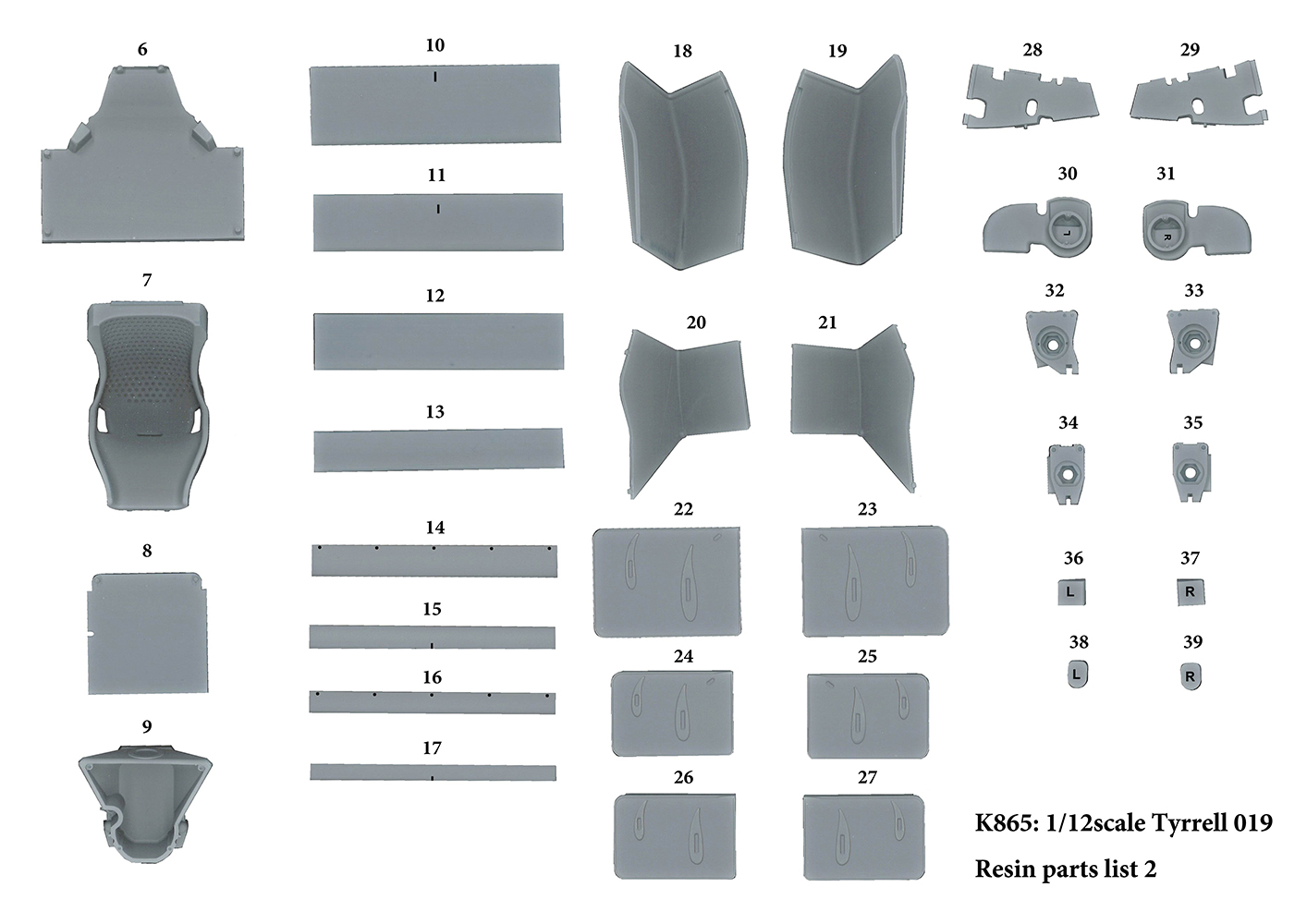
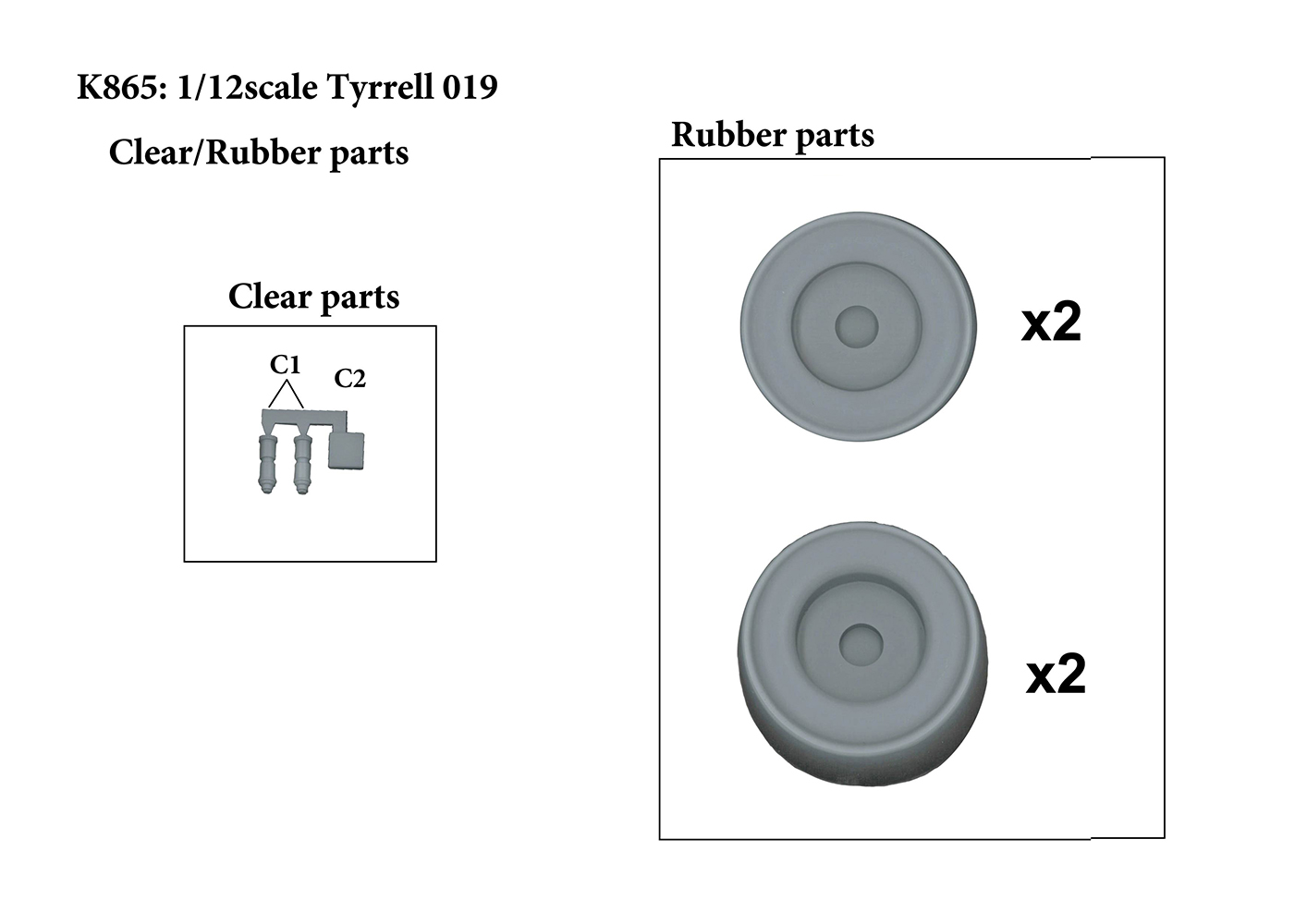
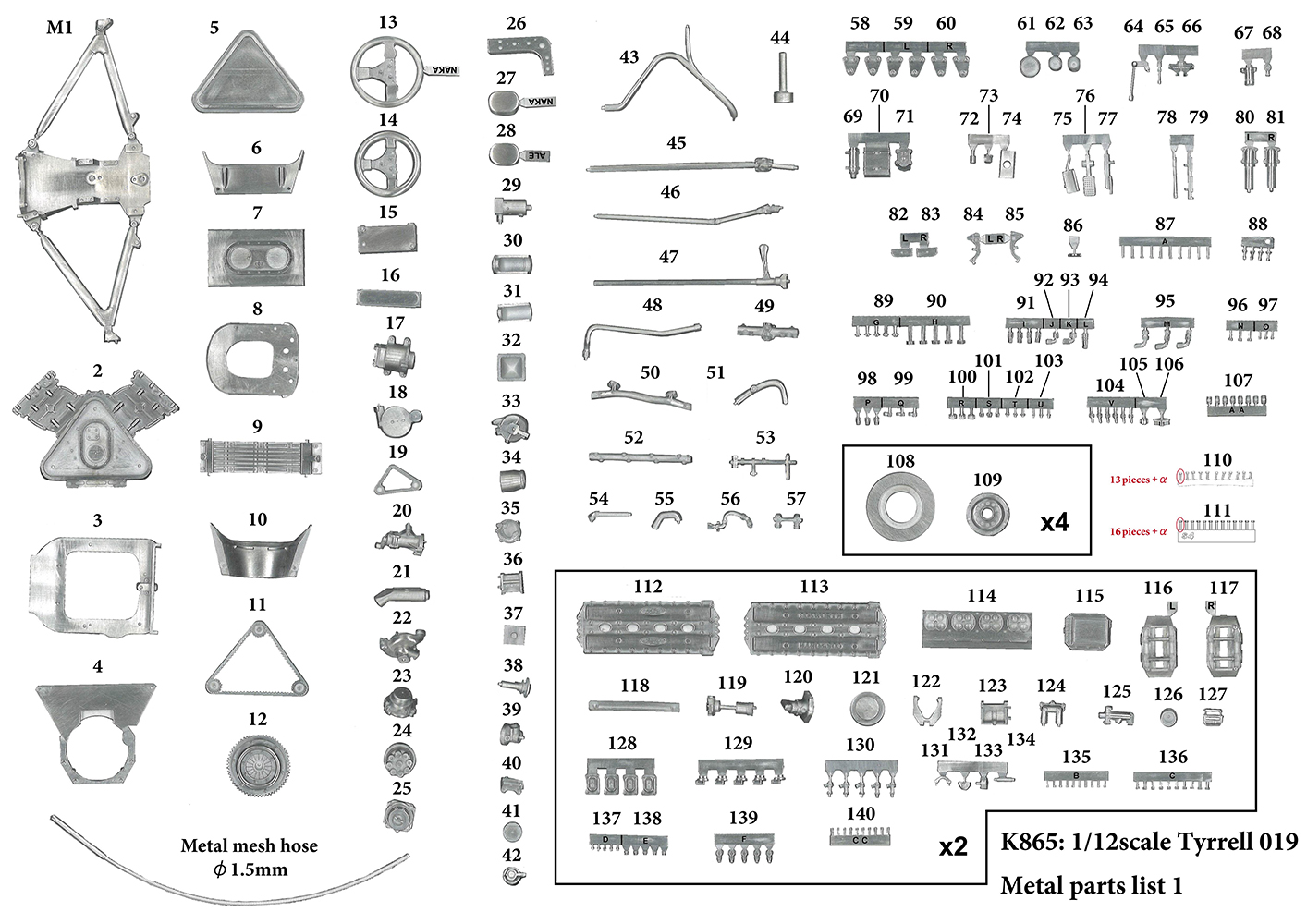
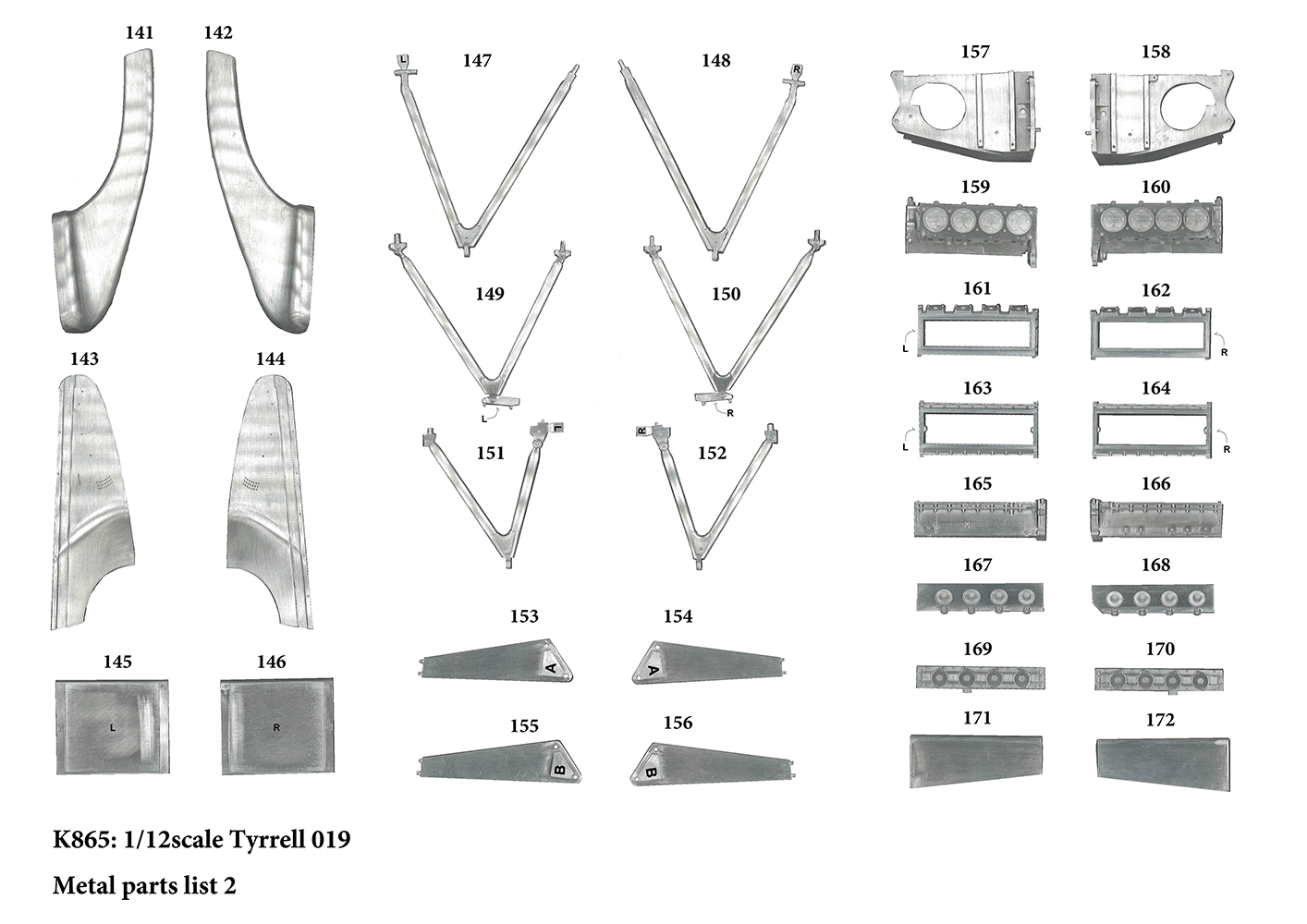
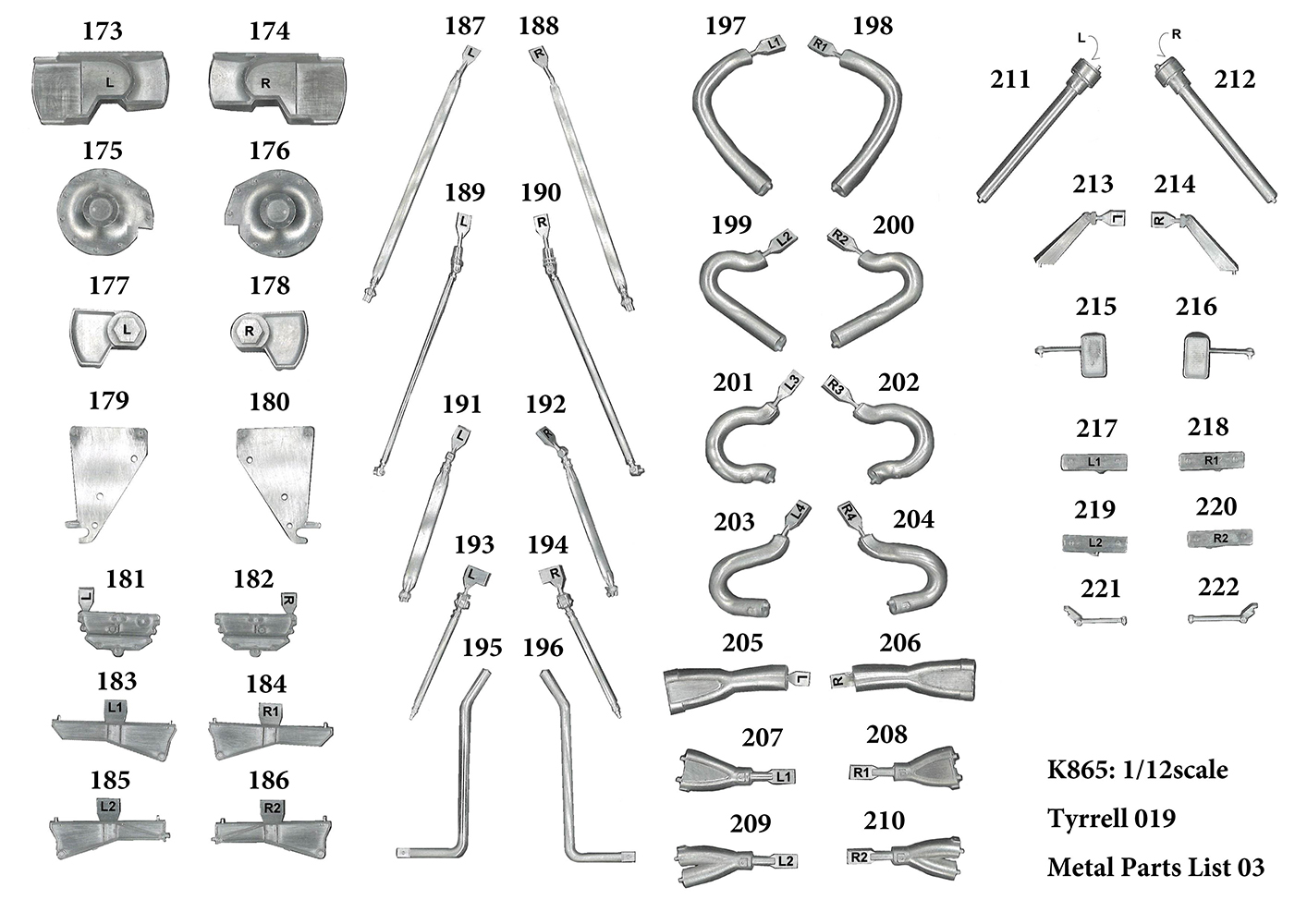
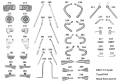 ●K865 - 1/12scale Fulldetail Kit : Tyrrell 019
1990 Rd.4 Monaco GP #3 S.Nakajima / #4 J.Alesi
1990 Rd.15 Japanese GP #3 S.Nakajima / #4 J.Alesi
*(現在企画中ですので、発売時期・価格・仕様・構成が変更になる場合があります。 / CG画像はイメージです。必ずしもキット内容と合致するとは限りません。)
*(Product is currently still in design phase: release date/price/instructions for construction/build may be altered for official release. / Images based off CG captures may not accurately reflect that of the final product.)
[ 2026年5月発売 / May 2026 released ]


[ - お知らせ Notice - March 24th, 2026 ]
・本製品のご予約受付は終了いたしました。ご予約ありがとうございました。
尚、次回生産の時期は未定です。何卒ご了承くださいますよう、お願い致します。
- Thank you for your many pre-orders. Reservations for "1/12scale Fulldetail Kit : F40 GTE" are now closed.
The schedule of the next production is currently undecided. Thank you for your understanding.
 2026年4月発売予定 April 2026
Price : \135,000- (+tax)
[ キット概要 -Kit Details- ]
■ホワイトメタル、ウレタン樹脂、金属挽き物、エッチングパーツ、ゴムタイヤ、デカール、各種コード類を使用したマルチ・マテリアル・キットです。
■ホイールリム、メインライトリム、マフラーエンド、ホイールシャフト/ナット等の各パーツは金属挽き物製で質感高く再現できます。
■リアカウルは開閉ができ、完成後も内部構造を見ることができます。
■デカールはイタリア・カルトグラフ製。
- a full detailed, multi-material kit featuring white metal, resin, etching, turned parts, rubber tires, decals and various cords allowing for maximum representation of the original vehicle.
- aluminum turned parts used for wheel rim, main light rim, muffler ends, wheel shaft and lock nut.
- rear cowl can open and close post construction, allowing full view of the detailed interior after completion.
- decals printed by Cartograf.


 [ パーツ・リスト -Parts List- ] 


 ●K863 - 1/12scale Fulldetail Kit : F40 GTE
1996 LM 24hours
Team Ennea SRL
#59 R.Donovan/P.Nappi/T.Ota
*(現在企画中ですので、発売時期・価格・仕様・構成が変更になる場合があります。 / CG画像はイメージです。必ずしもキット内容と合致するとは限りません。)
*(Product is currently still in design phase: release date/price/instructions for construction/build may be altered for official release. / Images based off CG captures may not accurately reflect that of the final product.)
[ 2026年4月発売 / April 2026 released ]


[ - お知らせ Notice - February 18th, 2026 ]
・本製品のご予約受付は終了いたしました。ご予約ありがとうございました。
尚、次回生産の時期は未定です。何卒ご了承くださいますよう、お願い致します。
- Thank you for your many pre-orders. Reservations for "1/12scale Fulldetail Kit : 312T3 [ Late type ]" are now closed.
The schedule of the next production is currently undecided. Thank you for your understanding.
 2026年3月発売予定 March 2026
Price : \85,000- (+tax)
[ 312T3 [ Late type ] について - About the 312T3 [ Late type ] - ]
フェラーリチームにおいて1970年から75年にかけてグランプリで活躍した312Bシリーズに替わり、新たに開発されたマシンが312Tでした。312Tは312Bシリーズに引き続き水平対向12気筒エンジンを搭載、横置きギアボックスやアルミセミモノコック構造を採用するなどの改良が施され、1975年のチャンピオンに輝きました。続き新たな空力規則に合わせて改良された312T2が1976、77年と連続してチャンピオンを獲得しました。
そして迎えた1978年シーズン、さらなる改良を施されたマシンとしてグランプリを戦ったマシンが312T3です。312T3は1970年から継続して水平対向12気筒エンジンを搭載していましたが、312T2からモノコック構造、サスペンション、空力面での改良が施されたマシンでした。さらに大きな変化として、これまでのグッドイヤーからミシュラン製ラジアルタイヤに変更したことが挙げられます。T2より戦闘力を増したT3でしたが、グラウンド・エフェクトカーであるLOTUS 79がその強さを発揮、コンストラクターズタイトルはLOTUSに及ばず2位となりました。それでも、C.ロイテマンが312T3で3勝を挙げ、G.ヴィルヌーヴが最終戦母国カナダGPで自身初優勝を挙げる活躍を見せました。
The 312T was developed to replace the 312B, which represented the Ferrari team between 1970 till 1975. While it continued to used the same flat 12 engine found in the 312B, it also featured upgrades such as a transverse mounted gearbox and an aluminum monocoque. The 312T took the championship for 1975, and it was further upgraded into the 312T2 (in which changes were made to comply with new aerodynamic rules at the time), which managed to take the championship for 1976 and 1977 also.
In 1978, the car was further developed into the 312T3. While it continued to use the flat 12 engine from 1970, changes were made to the monocoque, suspensions and aerodynamic surfaces compared to the 312T2. This and other adjustments were made so the car would work with Michelin's radial tires as they had replaced the Goodyear tires used up to this point. While the T3 had better specs than the T2, it was no match for the “ground effect” car – the Lotus 79. While it was only able to take 2nd place in constructors after Lotus, C.Reutemann managed to take 3 wins with the car and G.Villeneuve managed to take his maiden victory at home in the final Canadian GP.
[ キット概要 -Kit Details- ]
■312T3は、1978年シーズン中、幾度かの空力面でのモデファイを施されました。ボディサイドから後方ポンツーン上部へ抜けるオイルクーラーへのエアフローを狙ったシーズン初期のタイプから、試行錯誤を経て、左右のクーラーが縦置きになり、サイドカウルがフラットな形状となる後半戦タイプへと変更されていきます。この78年後期型312T3の中でも、メモリアルなレースとして記憶される78年最終戦カナダGP仕様をモデル化しました。
■1978年最終戦カナダGPは、カナダ・モントリールにおける新設サーキット、"サーキット・イル・ノートルダム(後のジル・ヴィルヌーヴ・サーキット)"のオープニングイベントであり、G.ヴィルヌーヴが地元ケベック州でF1初優勝を挙げたレースです。このレースのヴィルヌーヴ仕様をキット化。
■初期型とは異なるボディワークや、クーラー、ロールバー形状、ファンネルカバー、リアウイング等を再現しました。また、コクピットサイドのカウル形状がロイテマン車とは異なるヴィルヌーヴ車仕様でモデル化しました。
■ホイールリム・エンジンファンネル・ホイールシャフト/ロックナット・マフラーエンド・テールランプ台座、フロントダンパートップの各パーツは金属挽き物製で質感高く再現できます。
■ボディカウル・ノーズは脱着が可能で、完成後も内部構造を見ることができます。
- the 312T3 received various modifications for improved aerodynamics during the 1978 season. While initially featuring a design that directed airflow from the body sides to the oil coolers near the rear pontoons, through trail and error it evolved to the late season type that featured vertically mounted radiators on both sides along with a flat side cowl. This kit is based on the most memorable race ran by the late build of this car – specifically the version raced at Canadian GP during the 1978 season.
- Based on the version driven by G.Villeneuve at the season finale Canadian GP in 1978, where he took his first Grand Prix win on home soil in Quebec at the then brand new "Circuit Île Notre-Dame (later renamed a Circuit Gilles-Villeneuve)".
- features various differences to body work, oil coolers, rollbar shape, funnel cover and rear wing setup compare to the earlier version. The cowl of the cockpit sides of Villeneuve's car which differs from Reutemann's car has also been replicated.
- a full detailed, multi-material kit featuring white metal, resin, etching, vacuum parts, rubber tires, silk screen decals and various cords allowing for maximum representation of the original vehicle.
- aluminum turned parts used for wheel rim, engine funnel, wheel shaft, lock nut, muffler end, tail lamp base and front damper top.
- body cowl and nose can be removed, allowing full view of the detailed interior after completion.


 ●K862 - 1/12scale Fulldetail Kit : 312T3 [ Late type ]
1978 Rd.16 Canadian GP
Winner #12 Gilles Villeneuve
*(現在企画中ですので、発売時期・価格・仕様・構成が変更になる場合があります。 / CG画像はイメージです。必ずしもキット内容と合致するとは限りません。)
*(Product is currently still in design phase: release date/price/instructions for construction/build may be altered for official release. / Images based off CG captures may not accurately reflect that of the final product.)
[ 2026年3月発売 / March 2026 released ]
[ 関連商品 -Related products- ]

K794 -
1/12scale Fulldetail Kit :
312T3


[ - お知らせ Notice - October 25th, 2025 ]
・本製品のご予約受付は終了いたしました。ご予約ありがとうございました。尚、次回生産の時期は現時点で未定です。何卒ご了承くださいますよう、お願い致します。
- Thank you for your many pre-orders. Reservations for "1/12scale Fulldetail Kit : B194" are now closed.
The schedule of the next production is currently undecided. Thank you for your understanding.
 2025年11月発売予定 November 2025
Price : \85,000- (+tax)
[ キット概要 -Kit Details- ]
■レジン、ホワイトメタル、エッチング、シルクスクリーン印刷デカール、ゴムパーツ、アルミ挽き物、各種コード類等をふんだんに使用したマルチマテリアル・キットです。
■M.シューマッハが優勝を飾った1994年ヨーロッパGP仕様と、シューマッハがチャンピオンを決めた94年最終戦、オーストラリアGP仕様の選択式。
■ホイールロックナットはアルミ挽き物製でアルマイトカラー加工済。他にもホイール、給油口やホイールシャフトもアルミ挽き物製。
■各種パイピング、チューブ等、マルチマテリアルでパーツ化し、リアルさを追求しました。
■ボディカウルとノーズは車体から脱着が可能。完成後も内部構造を見ることができます。
■スポンサーロゴデカールの他に、ウイング・モノコック等に使用するカーボンデカールを同梱。デカールはカルトグラフ製。
■ゴム製タイヤはメーカーロゴ印刷済。
- a full detailed, multi-material kit featuring white metal, resin, etching, turned parts, rubber tires, silk screen decals and various cords allowing for maximum representation of the original vehicle.
- Choose between the 1994 European Grand Prix specification, where M. Schumacher claimed victory, and the 1994 Australian Grand Prix specification, where Schumacher clinched the championship in the season finale.
- aluminum turned lock nut come dyed in color by anodizing. Other aluminum turned parts include wheels, fuel tank opening wheel and wheel shaft.
- body cowl and nose can be removed after completion, allowing for full view of the detailed interior.
- decals mainly provided by Cartograf, including sponsor logos and carbon fiber patterns for areas around wing/monocoque.
- tires from pre-printed with maker logo.


 ●K860 - 1/12scale Fulldetail Kit : B194
1994 Rd.14 European GP winner #5 M.Schumacher / #6 J.Verstappen
1994 Rd.16 Australian GP #5 M.Schumacher / #6 J.Herbert
*(現在企画中ですので、発売時期・価格・仕様・構成が変更になる場合があります。 / CG画像はイメージです。必ずしもキット内容と合致するとは限りません。)
*(Product is currently still in design phase: release date/price/instructions for construction/build may be altered for official release. / Images based off CG captures may not accurately reflect that of the final product.)
[ 2025年11月発売 / November 2025 released ]


[ - お知らせ Notice - September 23th, 2025 ]
・本製品のご予約受付は終了いたしました。ご予約ありがとうございました。尚、次回生産の時期は現時点で未定です。何卒ご了承くださいますよう、お願い致します。
- Thank you for your many pre-orders. Reservations for "1/12scale Fulldetail Kit : McLaren M23 [1976]" are now closed.
The schedule of the next production is currently undecided. Thank you for your understanding.
 2025年10月発売予定 October 2025
Price : \95,000- (+tax)
[ McLaren M23 [1976]について -About the McLaren M23 [1976] - ]
1971年から73年まで使用された"McLaren M19"に代わり、1973年シーズン途中から投入されたマクラーレンチームのF1マシンが、"McLaren M23"です。M23はDFVエンジンを搭載し、それまでの曲面ボディを止め、サイドラジエーターを採用し低く直線的なボディシェイプでグランプリに登場しました。
M23は途中幾度も改良が加えられつつ、1973年から78年までの長きにわたって活躍するマシンとなりました。73年のM23デビューイヤーにはD.ハルムとP.レブソンがM23で勝利を挙げ、74年にはE.フィッティパルディがM23で自身のドラーバーズチャンピオンと、チーム初のコンストラクターズチャンピオンをもたらしました。1975年はN.ラウダが駆るフェラーリ312Tの強さの前にM23は敗れましたが、翌76年、マクラーレンに加入したジェームス・ハントがフェラーリのラウダとの間で歴史的な激戦を演じ、最終戦、雨の富士でハントがチャンピオンを獲得するのでした。
このF1史に名を残す名車、"McLaren M23"の1976年、J.ハント仕様を1/12スケールでモデル化しました。
the McLaren M23 was McLaren Team's entry for the 1973 season, having entered the car halfway into the season to replace the M19 that represented the team since the 1971 season. The M23 was equipped with a DFV engine and featured side radiators. The body was low and linear shaped, differentiating it from the rounded bodies of its predecessors.
The M23 received many upgrades over the years, and served as a powerful contender up until the 1978 season. During its debut year in 1973 drivers D. Hulme and P. Revson both managed to take victories with it, and in the following year driver E. Fittipaldi was able to take championship for both himself and the team with the car, making it the first constructors win for the team ever. In the 1975 season the car was unable to defeat the combination of N.Lauda/Ferrari 312T, but in the following season a fierce battle for championship took place with driver James Hunt joining the McLaren team. A dramatic back and forth took place between both drivers up until the final race at Fuji where Hunt managed to clinch driver champion for the season under heavy rain conditions.
This 1/12 full detail kit is based on the McLaren M23 used by J. Hunt during the 1976 season.
[ キット概要 -Kit Details- ]
■ホワイトメタル、ウレタン樹脂、エッチングパーツ、ゴムタイヤ、シルクスクリーン印刷デカール等を使用したマルチ・マテリアル・キットです。
■ホイールリム、エンジンファンネル、メーター、マフラーエンド、ダンパー、ホイールシャフト&ナット、テールライト台座は金属挽き物製で質感高く再現できます。シャフト&ナットはアルマイト着色加工済。
■DFVエンジンは新規パーツ構成・ディテールが追加された新設計。
■コクピットカウルとノーズは車体から脱着が可能。完成後も内部構造を見ることができます。
■ゴム製タイヤはロゴマークが印刷済み。デカールはイタリア・カルトグラフ製で、ゴールドのラインはクローム処理仕上げが成されています。
■キットと同時発売で、ボディに取り付けることでディテールアップできる リベットセットを発売します。
詳細はこちら>> “P1244 : 3D Printed Rivets Series [ for 1/12scale McLaren M23 ]”
- a full detailed, multi-material kit featuring white metal, resin, etching, turned parts, rubber tires, decals and various cords allowing for maximum representation of the original vehicle.
- aluminum turned parts used for wheel rim, engine funnel, meter, muffler ends, damper, wheel shaft, lock nut and tail light base. Shaft and lock nut come colour dyed by anodizing.
- new parts designed for DFV engine, with further details designed to the overall unit.
- cockpit cowl and nose can be removed after completion, allowing for full view of the detailed interior.
- tires come pre-printed with maker logo. Decals printed by Cartograf, with chrome finish used for gold line decals.
- “P1244 : 3D Printed Rivets Series [ for 1/12scale McLaren M23 ]” to be released along with this kit.


 [ バリエーション -Variations- ]
●K858 - Ver.A :
1976 Rd.14 Canadian GP winner #11 James Hunt
1976 Rd.15 U.S.East GP winner #11 James Hunt
・J.ハントが連勝した1976年カナダGP、アメリカ東GPのハント車仕様をモデル化。スリックタイヤ仕様。
- Based on the version used by J.Hunt at both Canada GP and United States GP East of the 1976 season where he won back to back. Features slick tires.
●K859 - Ver.B :
1976 Rd.16 F1 World Championship in Japan #11 James Hunt
・J.ハントがチャンピオンを決めた、富士スピードウェイで行われた1976年最終戦、"F1世界選手権イン・ジャパン"のハント車仕様をモデル化。レインタイヤ仕様。
- Based on the version used by J.Hunt at the final race of the 1976 season – the Japanese GP at Fuji Speedway which determined the championship for J.Hunt. Features rain tires.
[ パーツ・リスト -Parts List- ]


*(現在企画中ですので、発売時期・価格・仕様・構成が変更になる場合があります。 / CG画像はイメージです。必ずしもキット内容と合致するとは限りません。)
*(Product is currently still in design phase: release date/price/instructions for construction/build may be altered for official release. / Images based off CG captures may not accurately reflect that of the final product.)
[ 2025年10月発売 / october 2025 released ]


[ お知らせ Notice ]
2025.08.21
本製品初回生産分の予約受付は終了いたしました。
August 21th, 2025
Pre-orders for the first production run of this product have ended.
 2025年9月発売予定 September 2025
Price : \98,000- (+tax)
[ キット概要 -Kit Details- ]
■1955年のル・マン24時間レースにおいて、1位でレースを終えた M.Hawthorn/I.Bueb組の6番車をモデル化しました。他にも、7番車 T.Rolt/D.Hamilton組、8番車 D.Beauman/N.Dewis組用のデカールも同梱、選択して組み立てることができます。
■ホワイトメタル、ウレタン樹脂、金属挽き物、エッチングパーツ、ゴムタイヤ、デカール、各種コード類を使用したマルチ・マテリアル・キットです。
■ホイールリム、エンジンファンネル、メインライトリム、マフラーエンド、ホイールシャフト/ナット等の各パーツは金属挽き物製で質感高く再現できます。
■フロントカウルは開閉ができ、完成後も内部構造を見ることができます。
■デカールはイタリア・カルトグラフ製。
- based on car #6 driven by M.Hawthorn/I.Bueb, which took first place at the 1955 24 Hours of Le Mans. Decals for car #7 driven by T.Rolt/D.Hamilton and car #8 driven by D.Beauman/N.Dewis also included with kit.
- a full detailed, multi-material kit featuring white metal, resin, etching, turned parts, rubber tires, decals and various cords allowing for maximum representation of the original vehicle.
- aluminum turned parts used for wheel rim, engine funnels, main light rim, muffler ends, wheel shaft and lock nut.
- front cowl can open and close post construction, allowing full view of the detailed interior after completion.
- decals printed by Cartograf.


 ●K857 - 1/12scale Fulldetail Kit : D-TYPE LM 1955
1955 LM 24hours
#6 M. Hawthorn / I. Bueb
#7 T. Rolt / D. Hamilton
#8 D. Beauman / N. Dewis
*(現在企画中ですので、発売時期・価格・仕様・構成が変更になる場合があります。 / CG画像はイメージです。必ずしもキット内容と合致するとは限りません。)
*(Product is currently still in design phase: release date/price/instructions for construction/build may be altered for official release. / Images based off CG captures may not accurately reflect that of the final product.)
[ 2025年9月発売 / September 2025 released ]


|
|