


[ C1 LM 1960について -About the C1 LM 1960- ]

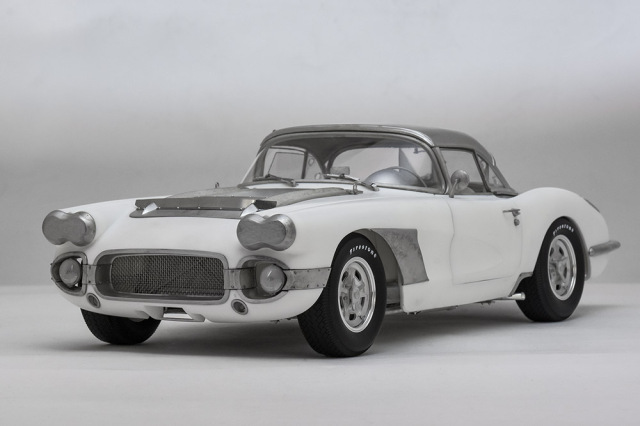
1960年ル・マン24時間レースで闘った"C1 LM 1960"。白いボディに青いストライプを纏ったアメリカンV8搭載のこのマシンは、単なる「クラス優勝車」というリザルトの枠を超え、エースドライバーであった米国生まれのジョン・フィッチの人生、そしてアメリカ自動車レースの運命をも変えた、歴史的転換点の象徴なのです。
このマシンとジョン・フィッチの物語は、1960年の5年前、1955年ル・マン24時間レース、その絶望の夜から始まります。メルセデスチームのドライバーとして、モータースポーツ史上最悪の観客事故を目撃したフィッチは、「二度とこのような惨劇を繰り返さない」と誓い、公道とレースの安全性向上に人生を捧げる決意を固めます。
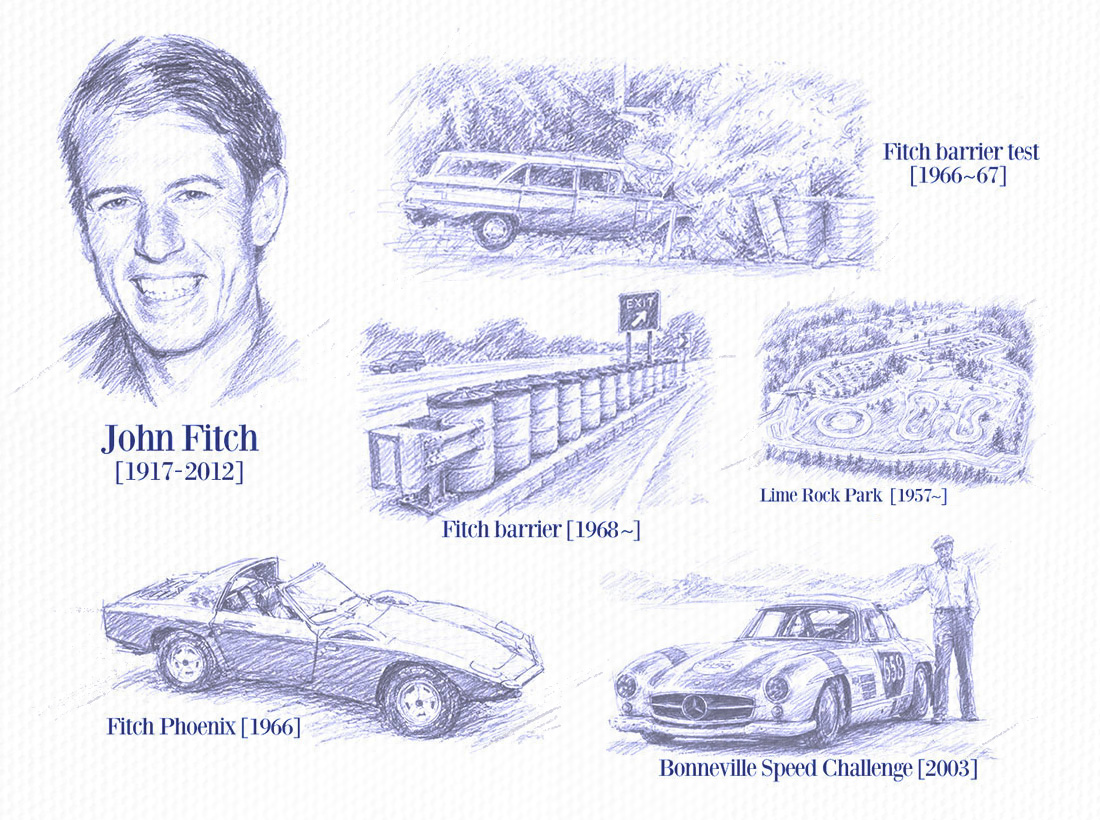
第二次世界大戦中に戦闘機パイロットとして前線で見た「砂を詰めた燃料缶が銃弾を止めた記憶」から着想を得たフィッチは、衝撃吸収装置の開発に挑みます。自宅の庭で樽に様々な量の砂を詰め、中古車に自ら乗り込んで何度もわざと激突する「命がけの自爆テスト」を繰り返しました。こうして生まれたのが、高密度ポリエチレン製の樽型衝撃吸収材"フィッチ・バリア"でした。1960年代にアメリカの高速道路に初めて導入されると、これまでなら確実に死亡していた激突事故からドライバーを無傷で救い出しました。このシンプルな「黄色い樽」は、日本をはじめ世界中のハイウェイへと普及し、これまでに数万人以上の命を救ったと試算されています。
そしてフィッチは、レーサーとしての魂も捨ててはいませんでした。「モータースポーツを社会から拒絶されないものにするには、アメリカの技術で世界に安全と実力を証明しなければならない。」その熱い願いは、当時"玩具の車(Plastic fantastic)"と揶揄されていたコルベットを本物のスポーツカーへ育てようとしていた技術者、"コルルベットの父"ゾーラ・ダントフの思想と共鳴します。
しかし1957年、AMA(米国自動車工業会)が加盟自動車会社に対し、「レース活動全面禁止令」を発令します。これは、1955年ル・マンの悲劇と、増え続ける自動車事故を一因として出された指令でした。ワークス活動を禁止され、夢を絶たれたフィッチとゾーラが仕掛けたのが、「プライベーター作戦」でした。ゾーラは社内書類を細工し、「一般市販オプションパーツ」という名目で、レース仕様のV8エンジンや強化ブレーキを開発。そうして生まれたレース仕様のC1を、富豪であったブリッグス・カニンガムが「市販車」として購入、フィッチをエースドライバーに据えて"プライベーター"のカニンガム・チームを結成、1960年のル・マンへと持ち込んだのです。
フィッチにとって悲劇のレースから5年ぶりに迎えた1960年ル・マン24時間レース、サルト・サーキットは苛酷を極めました。カニンガム・チームの他の2台が雨のクラッシュやトラブルで次々とリタイアするなか、フィッチの乗るC1-3号車も最終盤に深刻なオーバーヒートに見舞われます。リタイアすれば、コルベットのチャレンジもここで終わる― その極限状態のなか、チームの放ったアイデアが、「液体は違反になるが固体である氷をピットインのたびにエンジンルームへ詰め込んで冷やす」という奇策でした。満身創痍のC1-3号車は24時間走り続け、ついにチェッカーフラッグを受けます。結果は総合8位・クラス優勝。上位7台がすべてヨーロッパのプロトタイプ(フェラーリとアストンマーティン)だった時代に、市販車ベース重量級のC1がそこに肉薄したという事実は、アメリカメディアを「ヨーロッパの洗練をアメリカのタフさが打ち破った」と熱狂させ、アメリカ車へのコンプレックスを消し去る偉大な金字塔となったのです。この"アメリカによる勝利"は、後につづくC・シェルビーのコブラや、フォードによるル・マン総合優勝への挑戦へと受け継がれていくのです。
そしてフィッチの"安全への祈り"と"スピードへの渇望"の物語には続きがあります。 フィッチが手掛け、コネチカット州に建設された"ライム・ロック・パーク"は、「世界で初めて設計段階からドライバーと観客の安全を最優先に考えて作られた近代サーキット」の先駆けとなりました。1966年には、"フィッチ・フェニックス"という公道用GTカーを設計、1台しか生産されず量産は幻となりましたが、安全性も考慮された先進のスポーツカーでした。さらに2003年、86歳になったフィッチは、ボンネビル・ソルトフラッツでメルセデス300SLに乗り地上最高速記録にチャレンジする姿を見せ、多くの人を感動させました。また、レース後売却され行方不明になっていたC1の3号車は、熱狂的なコレクターによって発見され、フィッチが乗った当時の美しい姿へと完璧にレストアされました。そして2010年ル・マン50周年記念イベントにおいて、93歳のフィッチがこの3号車に乗ってデモランを行い、観客から喝采を浴びました。
2012年、ジョン・フィッチはライム・ロック・パークに程近い自宅にて、95歳の生涯を閉じました。”自分の作ったトロフィーやレースの記録はいつか忘れ去られる。だが、あの道路の黄色い樽は、私の名前を知らない誰かの明日を今も守っている。これ以上の満足はない。” それが彼の信念でした。 過酷なレースを戦い、凄まじい悲劇を乗り越えて「命の守護者」となり、晩年は少年のような笑顔で塩の平原を疾走したジョン・フィッチ。彼の名は、モータースポーツが持つ「スピードの魔力」を愛し、同時に「命の尊さ」を何よりも尊重したジェントルマン・レーサーとして、永く語り継がれていくことでしょう。
A white car adorned with blue stripes and powered by an American V8 engine, the“C1 LM 1960” was the class winner of 24 Hours of Le Mans in 1960. However, behind the wheel there was another story to tell: one of the American-born ace driver John Fitch and the events surrounding his life that changed the history of American car racing.
The story begins five years before, during the 24 Hours of Le Mans in 1955 where Fitch, as one of the drivers for the Mercedes team, witness his team involved in the worst accident in racing history. Vowing to never let a similar accident happen ever again, the event spurred him into devoting his life to improve safety in racing and driving in general.
Of his many safety inventions one was the Fitch barrier – a plastic barrel filled with sand designed to absorb impact. Inspired by sand-filled fuel cans used to stop bullets that he saw during his time as a pilot in WW2, Fitch filled barrels with various amounts of sand and performed life threatening crash tests on them in his own backyard with a used car. The resulting Fitch barrier was first used on American highways in 1960s, and managed to rescue drivers unharmed from collisions that would have previously been fatal. Since then the Fitch barrier have been installed in highways worldwide, including Japan, and have saved ten of thousands of lives to date.
Despite his devotion to safety, Fitch did not abandon this racing spirit. However he believed that in order for motorsport to be accepted by society, they would need to show the world that they could use American technology to ensure the safety and capability of the sport. This belief resonated with the “Father of the Corvette” - Zola Dantov, who was slowly transforming the Corvette (initially mockingly labeled as a “Plastic Fantastic”) into a proper sportcar at the time.
However due to the after effects of the 1955 Le Mans disaster, the AMA (Automobile Manufactures Association) issued a ban on motorsport participation to all manufactures. With the ban in effect works racing was no longer possible, but Fitch and Zola would find a workaround to continue their racing dreams. Zola used a loophole to have race spec V8 engines and brakes categorized as “general aftermarket parts”, allowing them to be sold as “privateer” items. This allowed the race spec C1 to be bought by the wealthy Briggs Cunningham as an “individual”. Briggs then appointed Fitch as his driver for his “privateer” Cunningham Team, thus allowing the C1 to enter the 1960 24 Hours of Le Mans.
For Fitch, the 1960 24 Hours of Le Mans was his first Le Mans race since the 1955 disaster, and it proved to be a grueling test for him at the Circuit de la Sarthe. As the two other Cunningham team cars retired due respectively to a rain related crash and mechanical issues, Fitch's Car #3 would experience overheating during the final stages of the race. A retirement would have ended the Corvette's challenge, but in a final effort the team found a loophole to cool the engine down: the use of liquids was prohibited, so instead the team would try to cool down the car by throwing ice into the engine room during every pit stop. This allowed the battered Car #3 to make its way to the goal line, where it managed to take 8th place overall along with a class victory. At the time the top 7 places were all European prototypes (Ferrari, Aston Martin etc.), so having the heavyweight production-based C1 place right after those prototypes sent the American media into a frenzy, declaring that “American toughness has overcome European sophistication”. This “victory” proved that American cars had the potential to be a top competitor to the sport, and that potential would be fully shown in the future with the C.Shelby Cobra and Ford victories in future Le Mans races.
Fitch would further contribute to the race world and the safety of it – Fitch would later design and build the Lime Rock Park circuit in Connecticut, the world's first modern racetrack built with the top priority of safety for both drivers and spectators. In 1966 he designed the road legal GT car, the “Fitch Phoenix” - while only one was produced and mass production never came to fruition, it was an advanced sports car that prioritized safety. In 2003, at the ages of 86, Fitch attempted to break the land speed record at Bonneville Salt Flats in a Mercedes 300SL. In 2010 at the Le Mans 50th Anniversary event Fitch would be reunited with his C1 No.3, which was sold after the race in 1960 and rediscovered by an avid collector later who restored it to its original condition. The 93 year old Fitch would drive the car for a demonstration run during the event among the cheering from the crowd.
In 2012, John Fitch passed away at the age of 95 at his home near Lime Rock Park. He would not be remembered only as a racer who loved the thrill of speed even in his final days, but also as a person who devoted to safety on the roads that allow such speed thrills to continue to exists will now and from here on.
[ キット概要 -Kit Details- ]
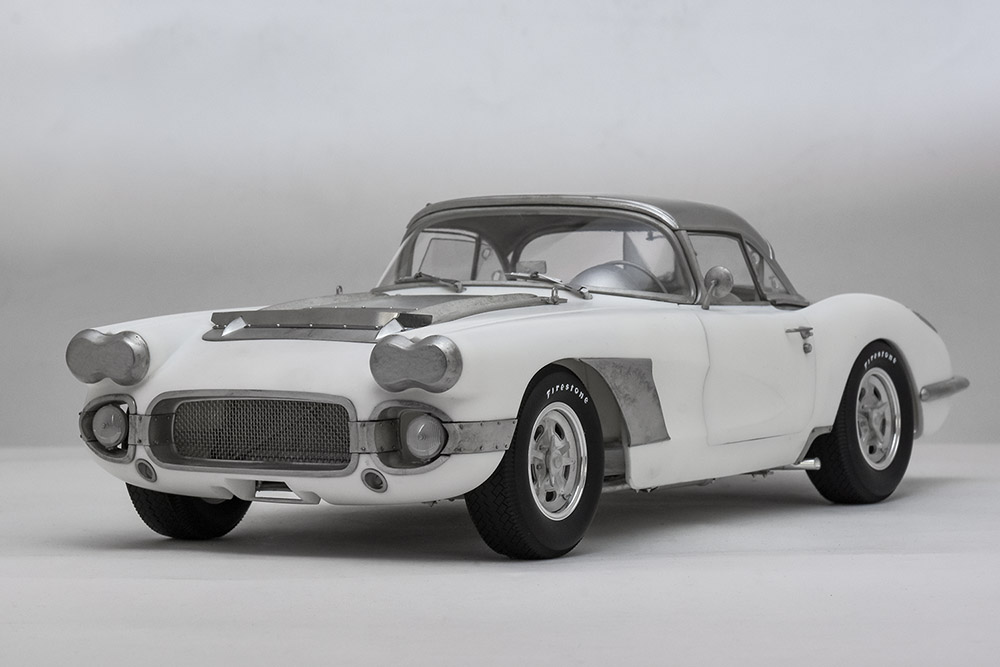
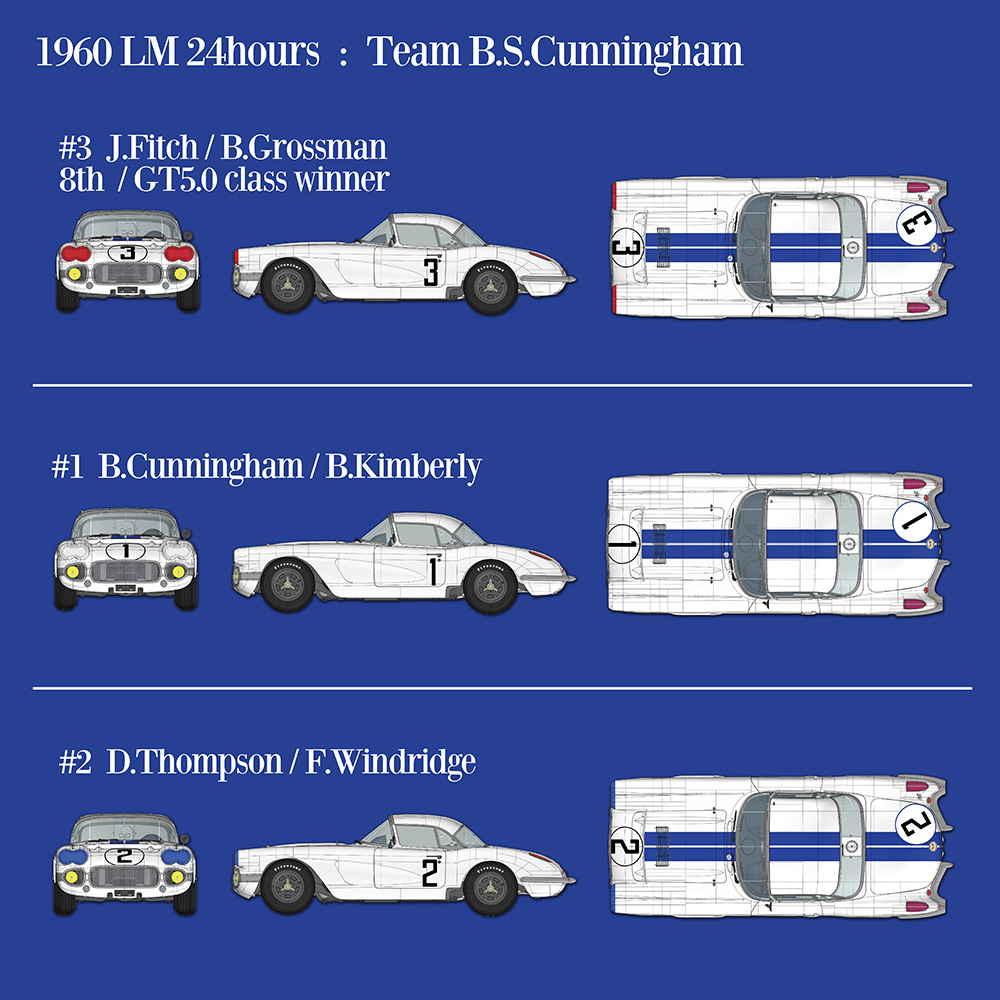
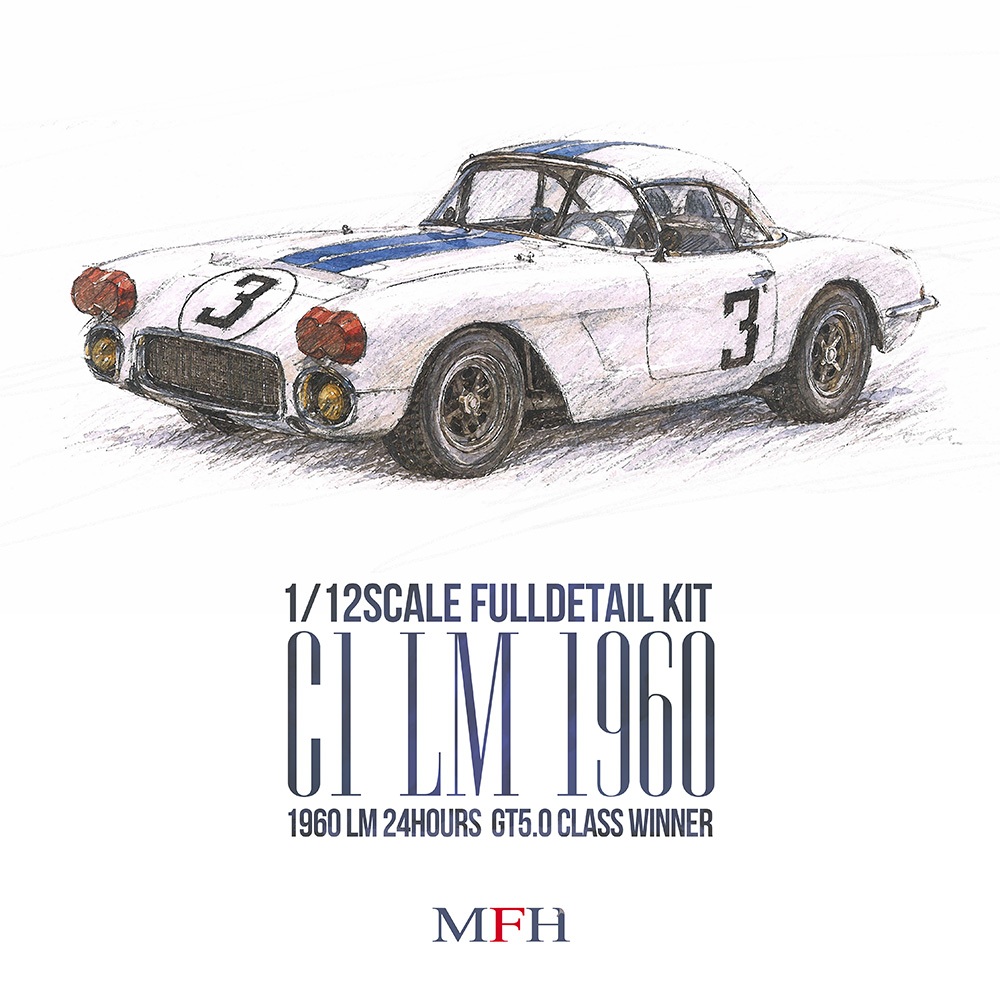
■1960年ル・マン24時間レースに参戦したTeam B.S.Cunninghamの3台のC1をモデル化。中でも、J.Fitch / B.Grossman組の3号車は総合8位に入り、GT5.0クラス優勝を飾りました。
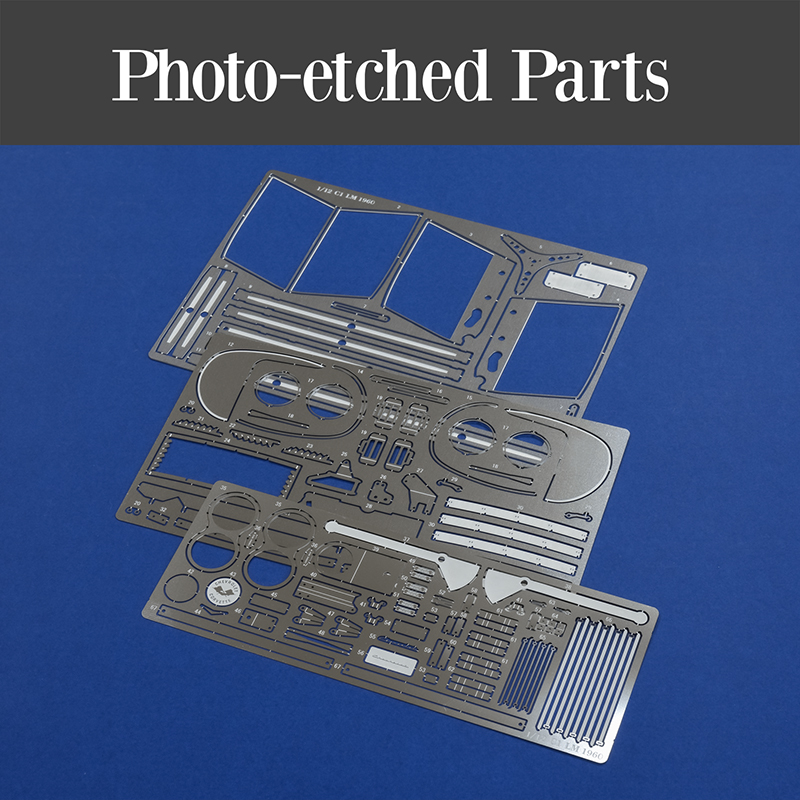
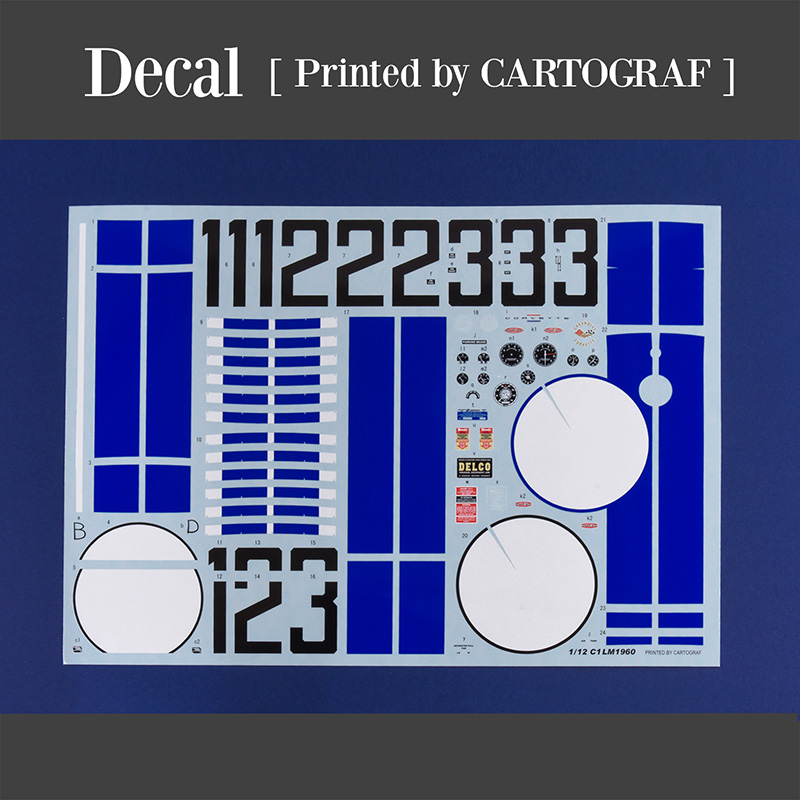
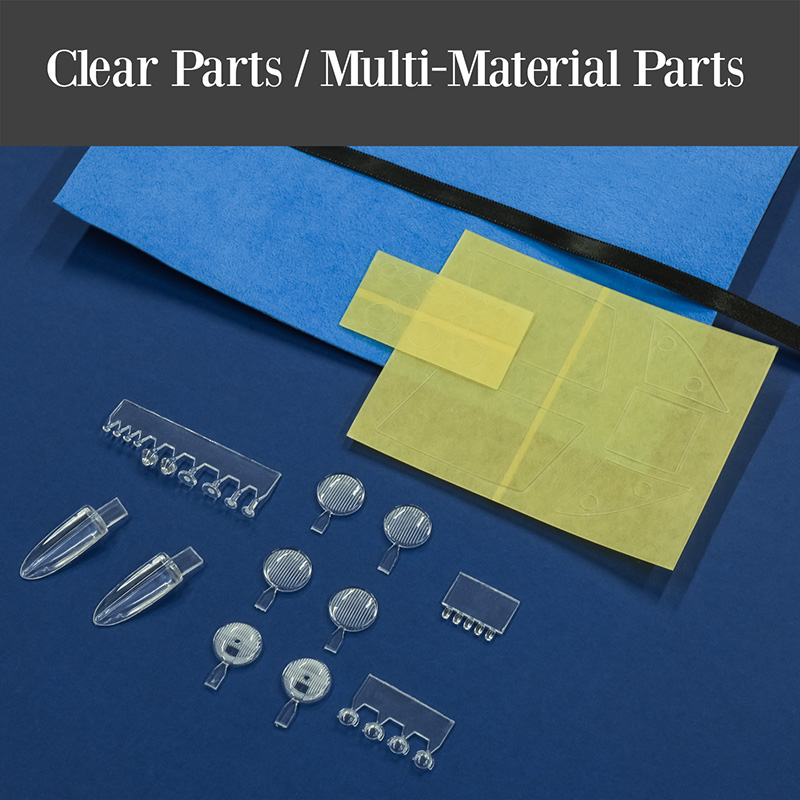
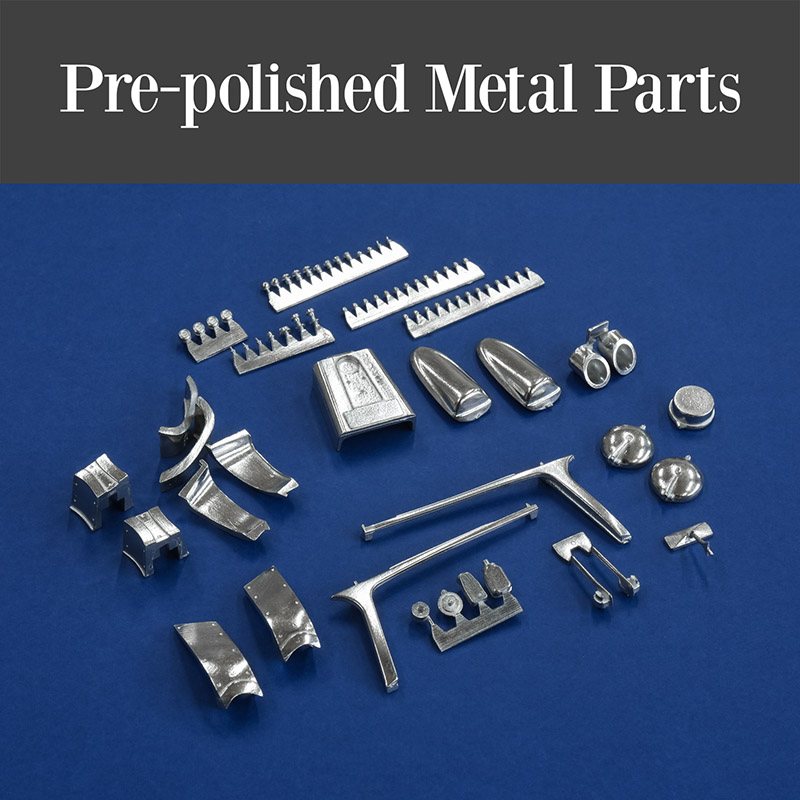
■ホワイトメタル、ウレタン樹脂、金属挽き物、エッチングパーツ、ゴムタイヤ、シルクスクリーン印刷デカール、各種コード類を使用したマルチ・マテリアル・キット。
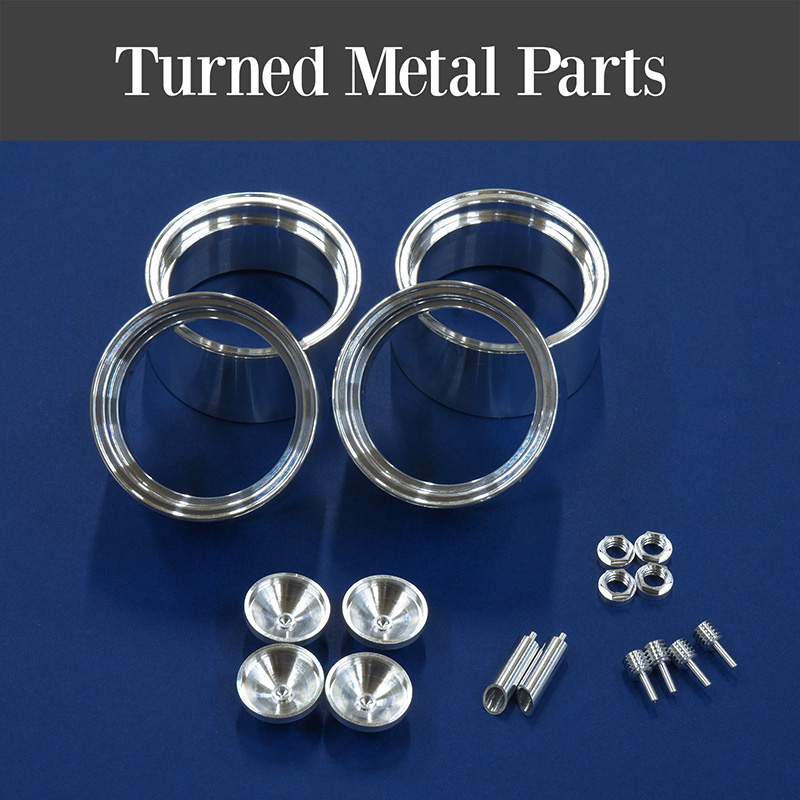
■ホイール、ヘッドライトリム、ホイールシャフト/ナット、マフラーエンドはアルミ挽き物製。
■フロントボンネットとリアトランク、ドアは開閉可能で、完成後も内部構造を見ることができます。
■車内フロアはシート地素材が同梱、フロアの素材感をリアルに再現できます。
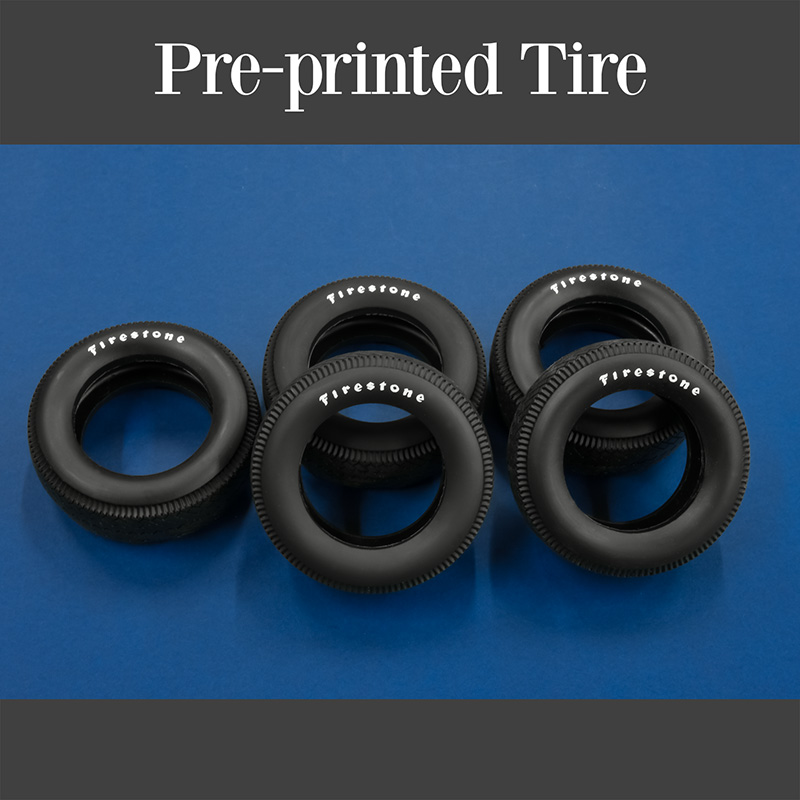
■ゴム製タイヤはメーカーロゴ印刷済み。
- Based on the three C1 [Team B.S.Cunningham] models that raced at 24 Hours of Le Mans in 1960, which includes Car #3 piloted by J.Fitch/B.Grossman that finished in 8th place and placed 1st in its GT5.0 class.
- a full detailed, multi-material kit featuring white metal, resin, photoetch parts, turned metal parts, rubber tires, silk screen decals and various cords allowing for maximum representation of the original vehicle.
- aluminum turned parts used for wheel rims, headlight rims, muffler ends, wheel shaft and locknut.
- front bonnet, rear trunk and doors can open and close post construction, allowing full view of the detailed interior after completion.
- seat fabric for interior floor also included for realistic representation.
- tires pre-printed with maker logo.
[ パーツ・リスト -Parts List- ]
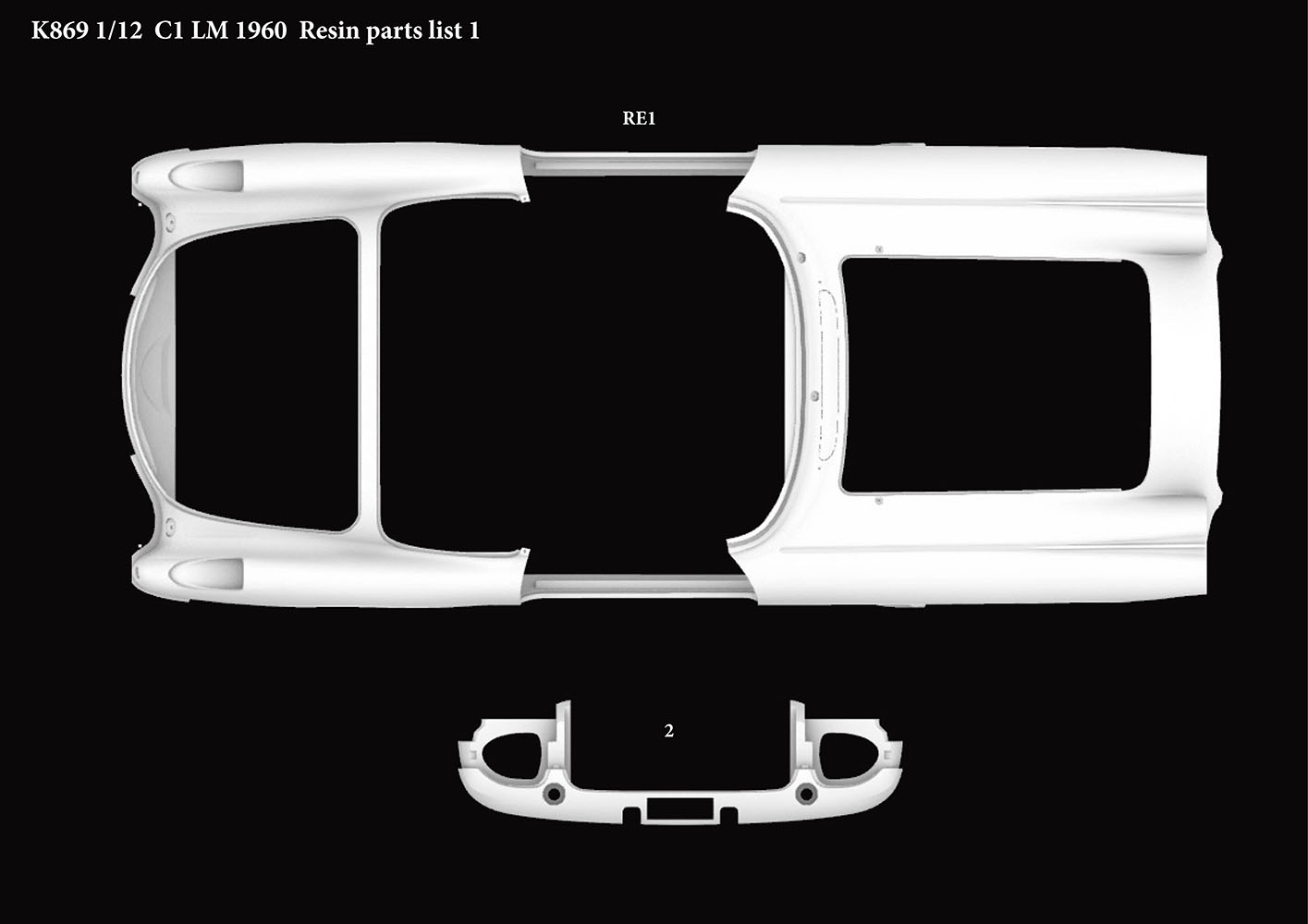
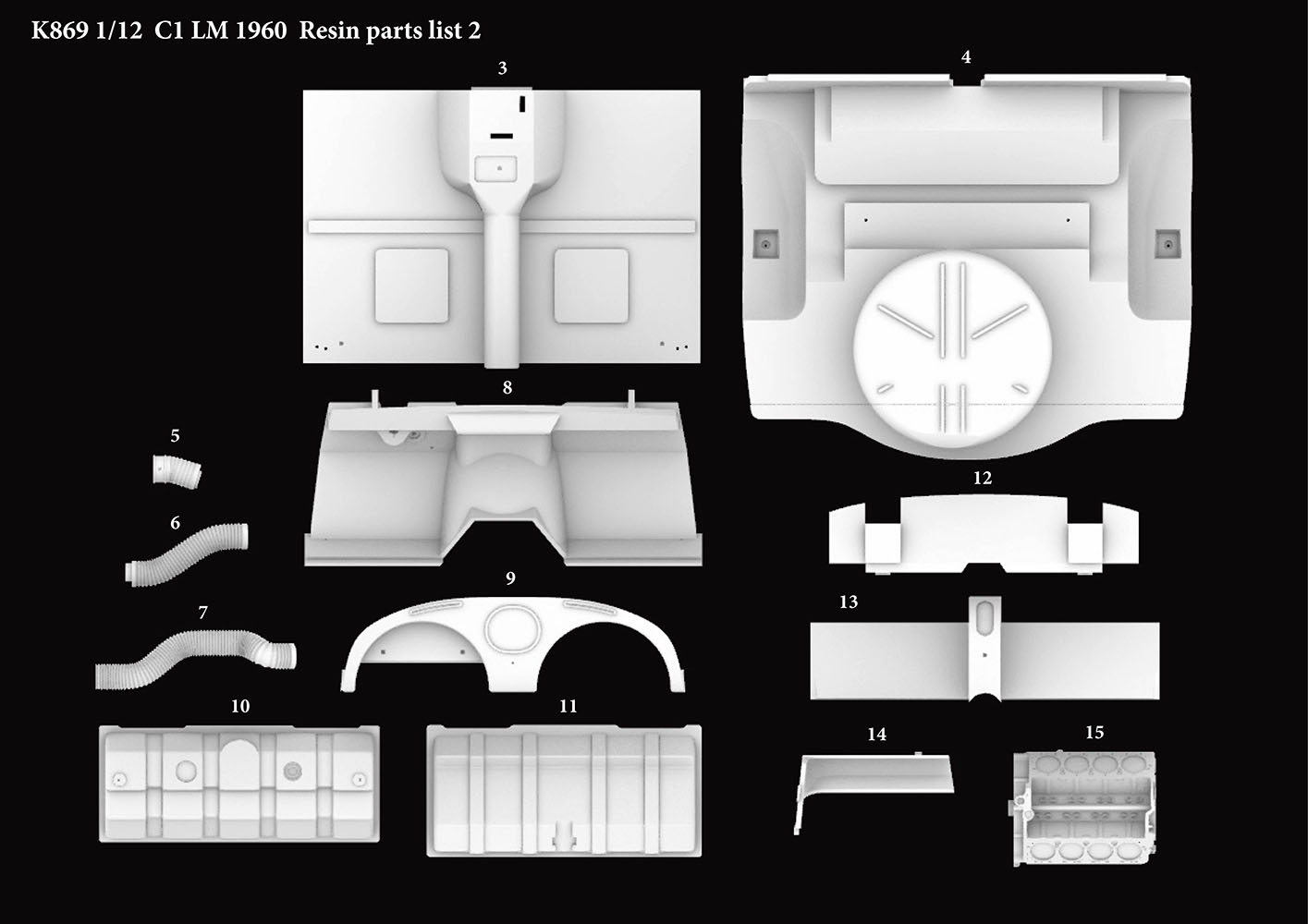
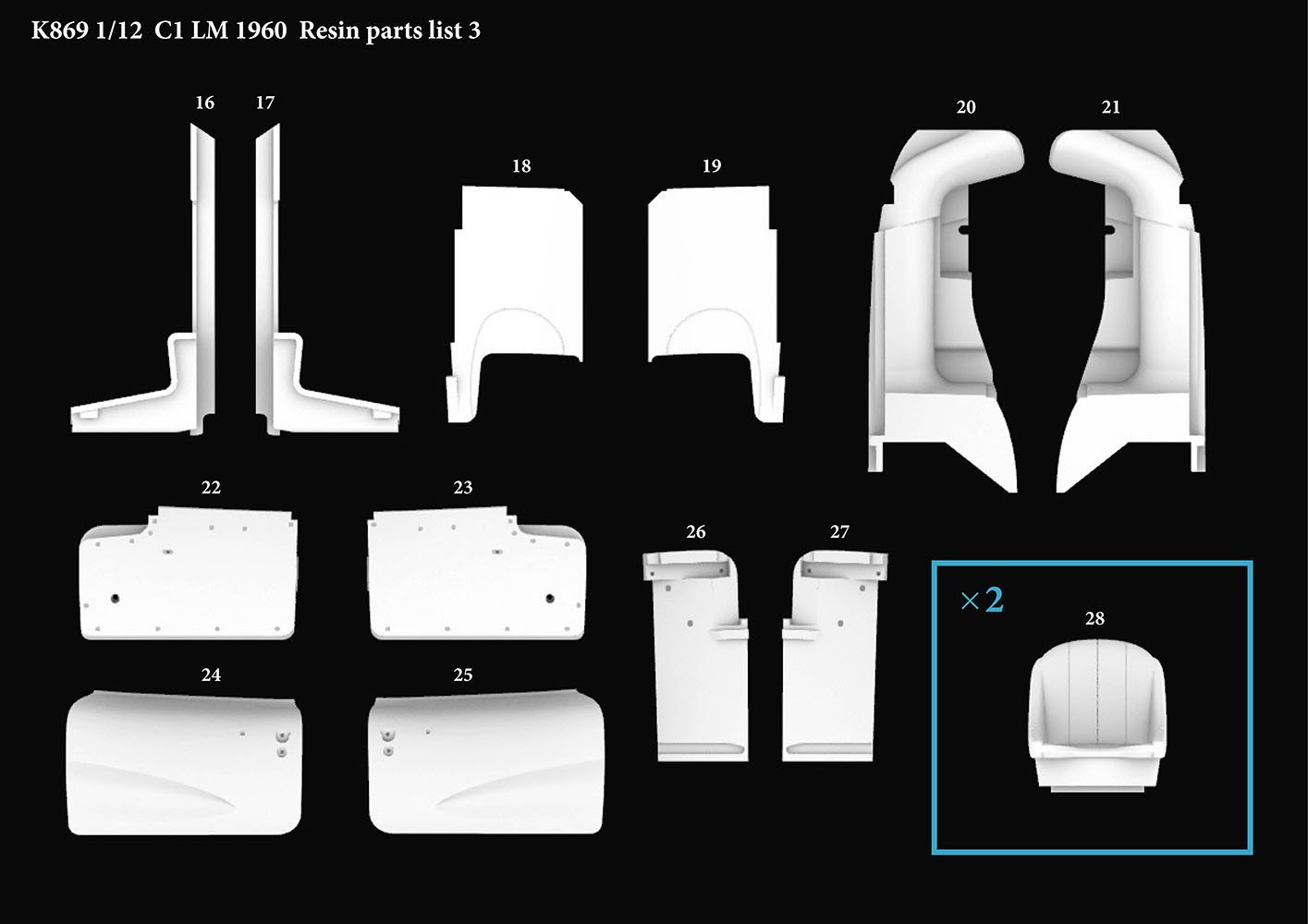
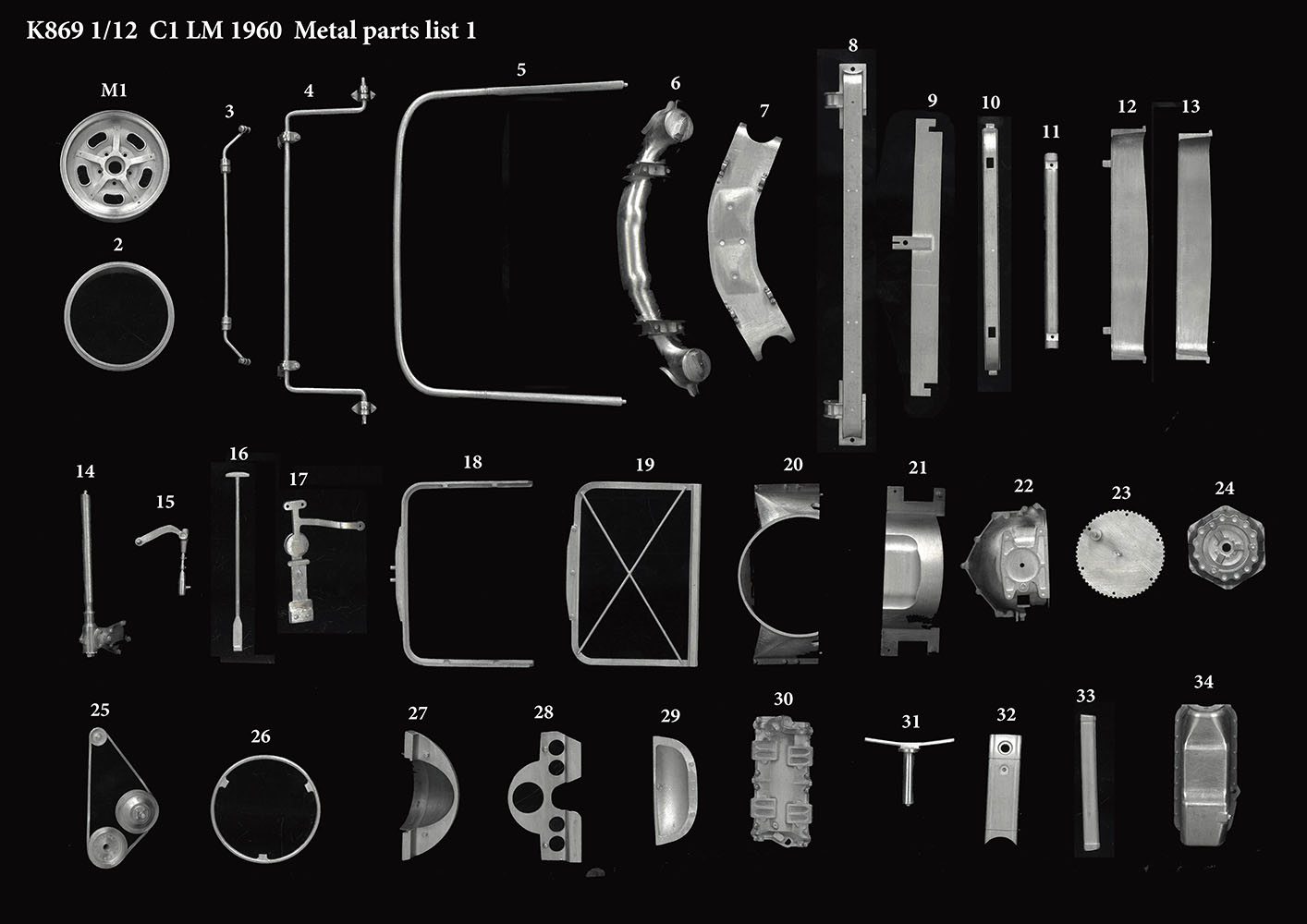
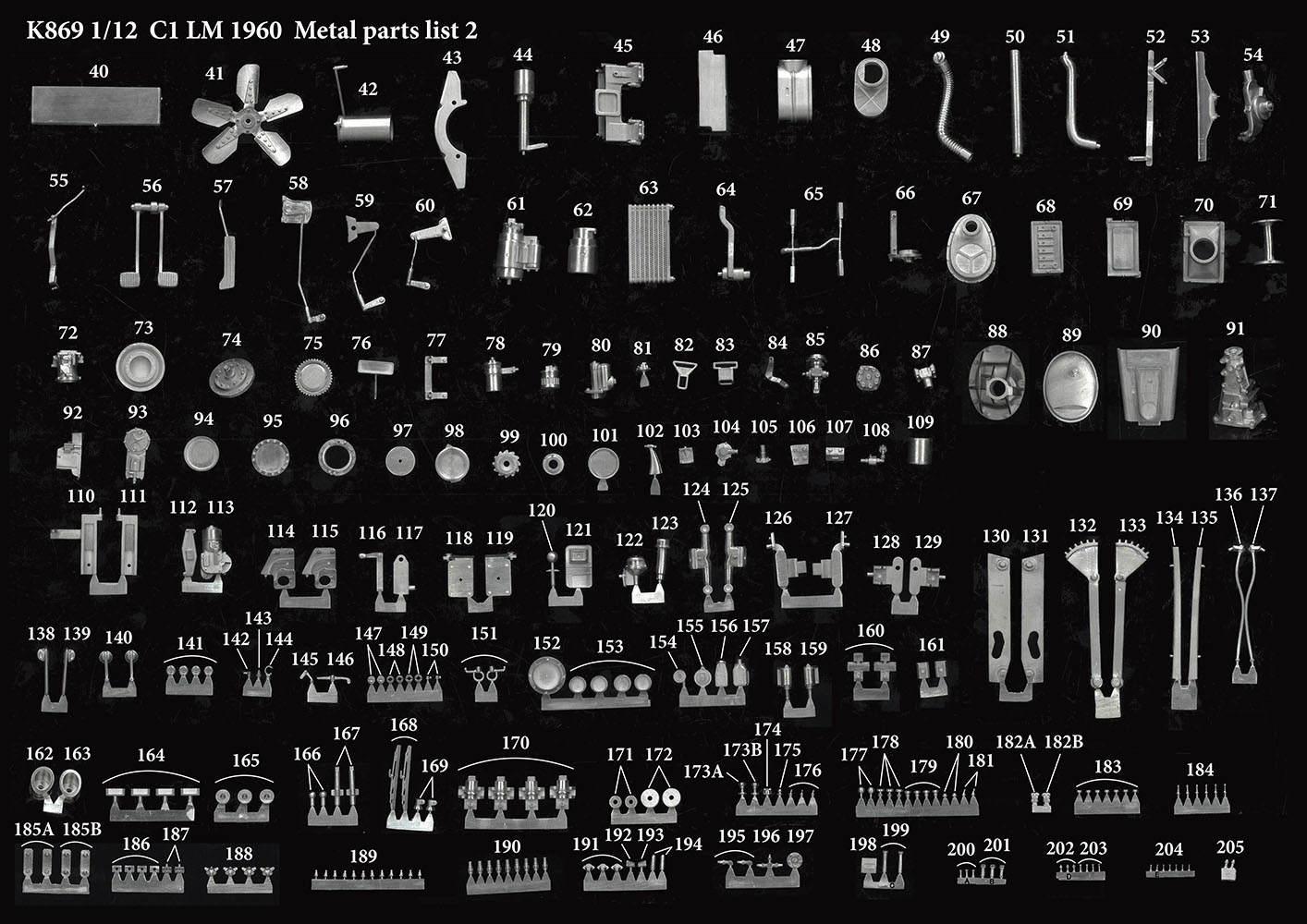
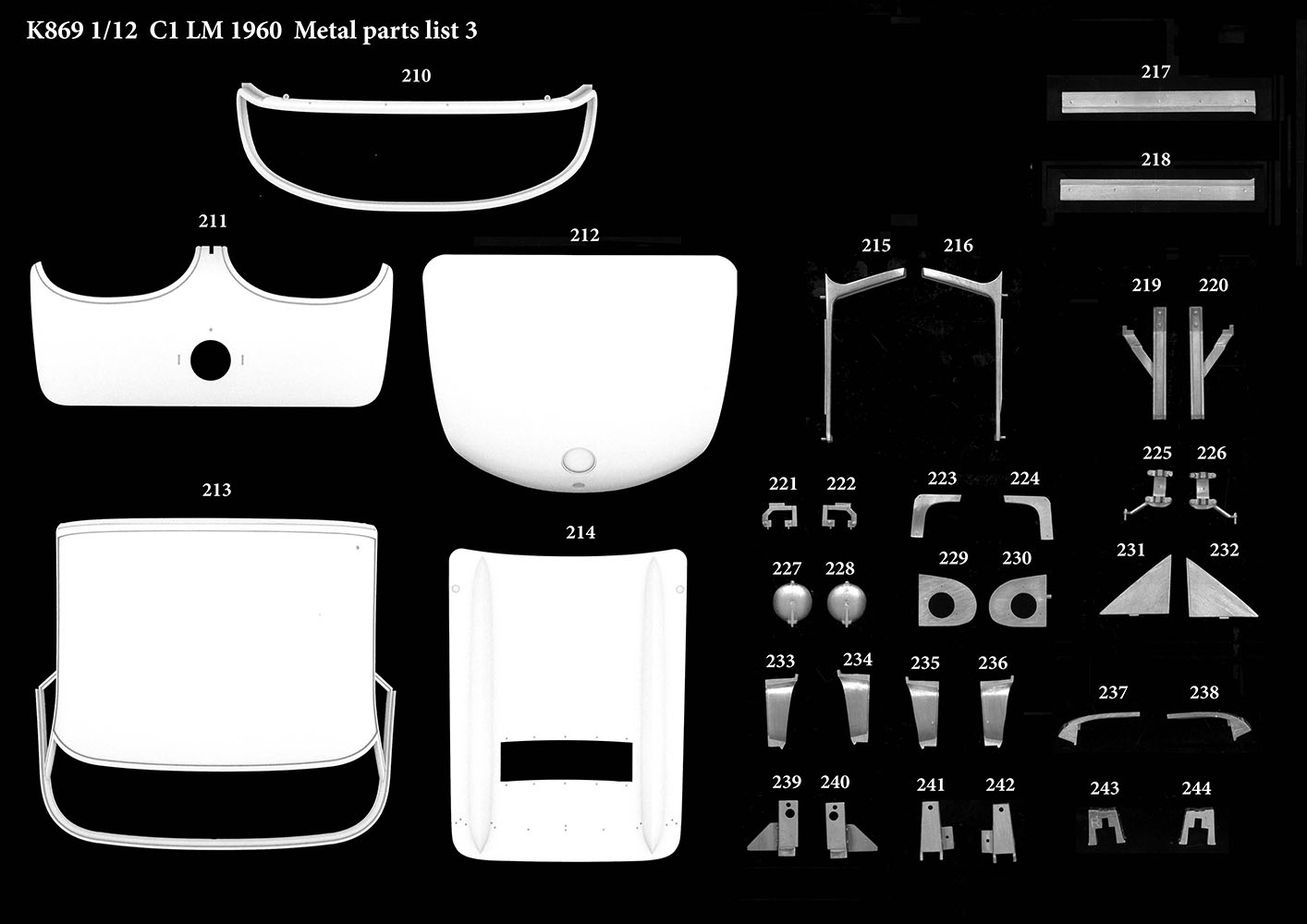
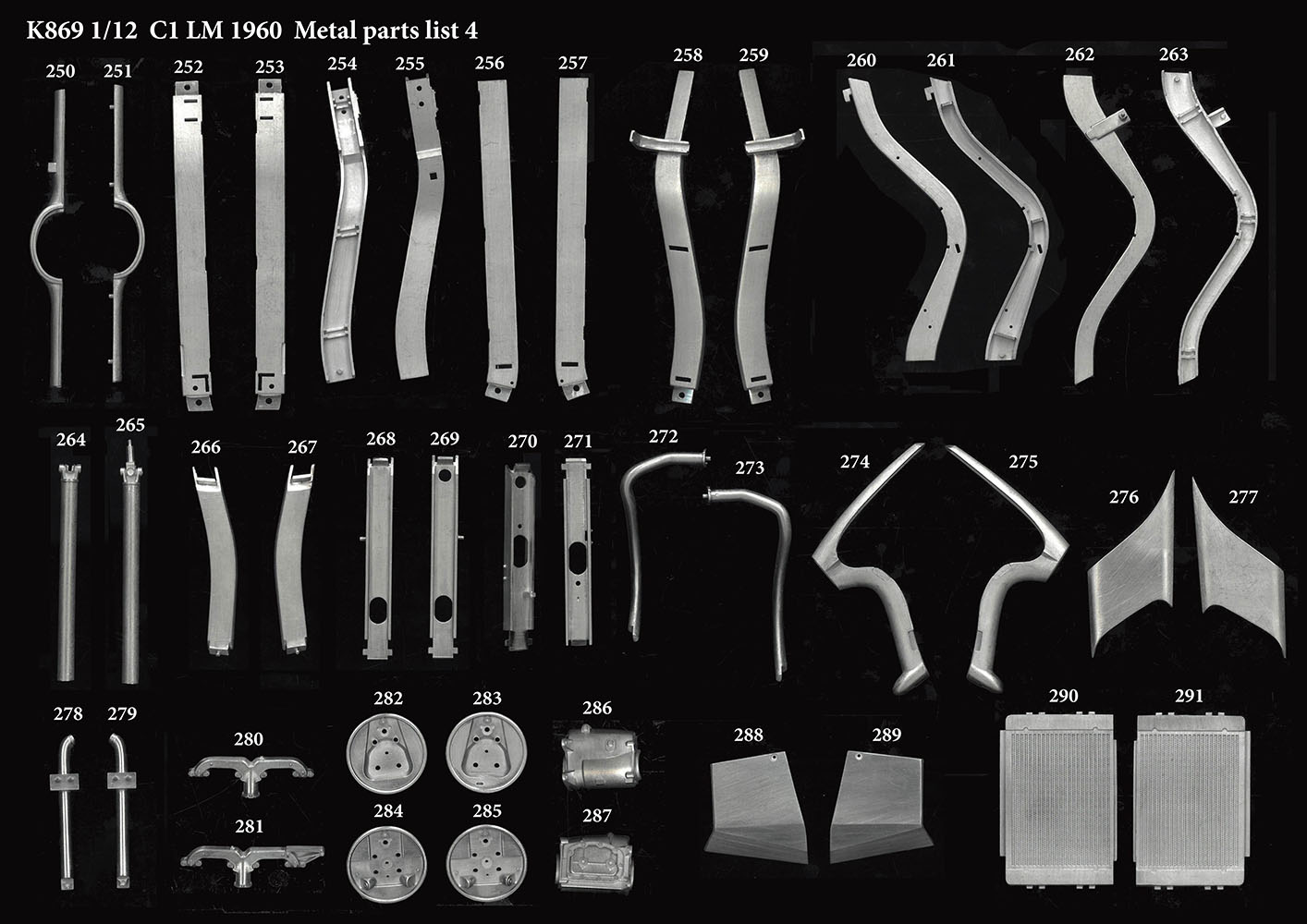
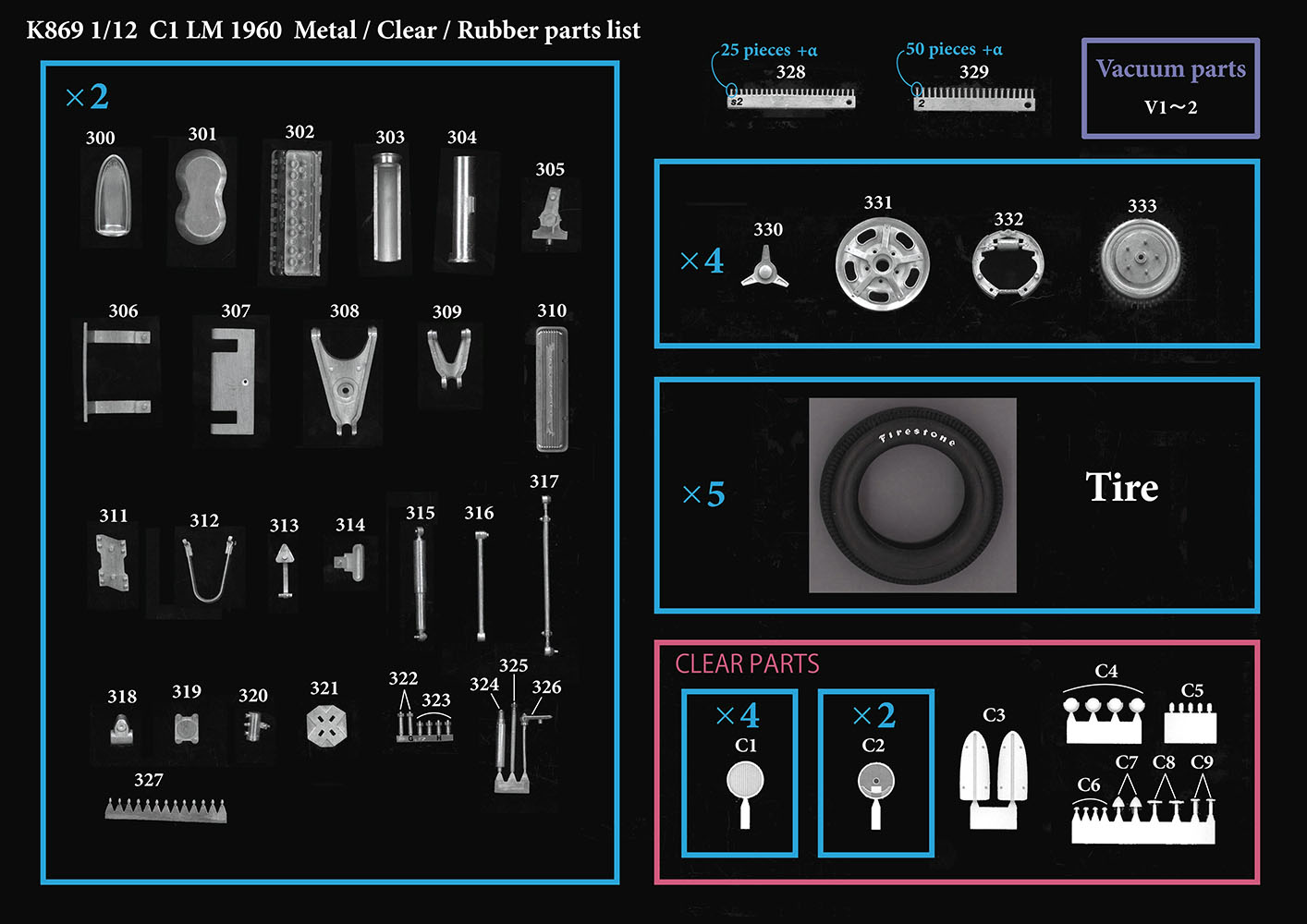
●K869 - 1/12scale Fulldetail Kit : C1 LM 1960
1960 LM 24hours
Team B.S.Cunningham
#3 J.Fitch / B.Grossman - 8th [GT5.0 class winner]
#1 B.Cunningham / B.Kimberly
#2 D.Thompson / F.Windridge
[ 2026年10月発売 / October 2026 released ]